Nvidia Reports Record Sales Fueled by AI Chip Demand
Nvidia announced record sales and income driven by intense demand for its data center products and AI capabilities.
Jason Kwon ·
Nvidia has announced a record-breaking fiscal first quarter, with revenues soaring to $81.6 billion, an impressive 85% increase year-over-year. This performance significantly surpassed analyst expectations of $78.9 billion. The company’s net income also saw a dramatic rise, more than tripling from the previous year to reach $58.3 billion, exceeding predictions by 36.5%.
Data Center Dominance Fuels Growth
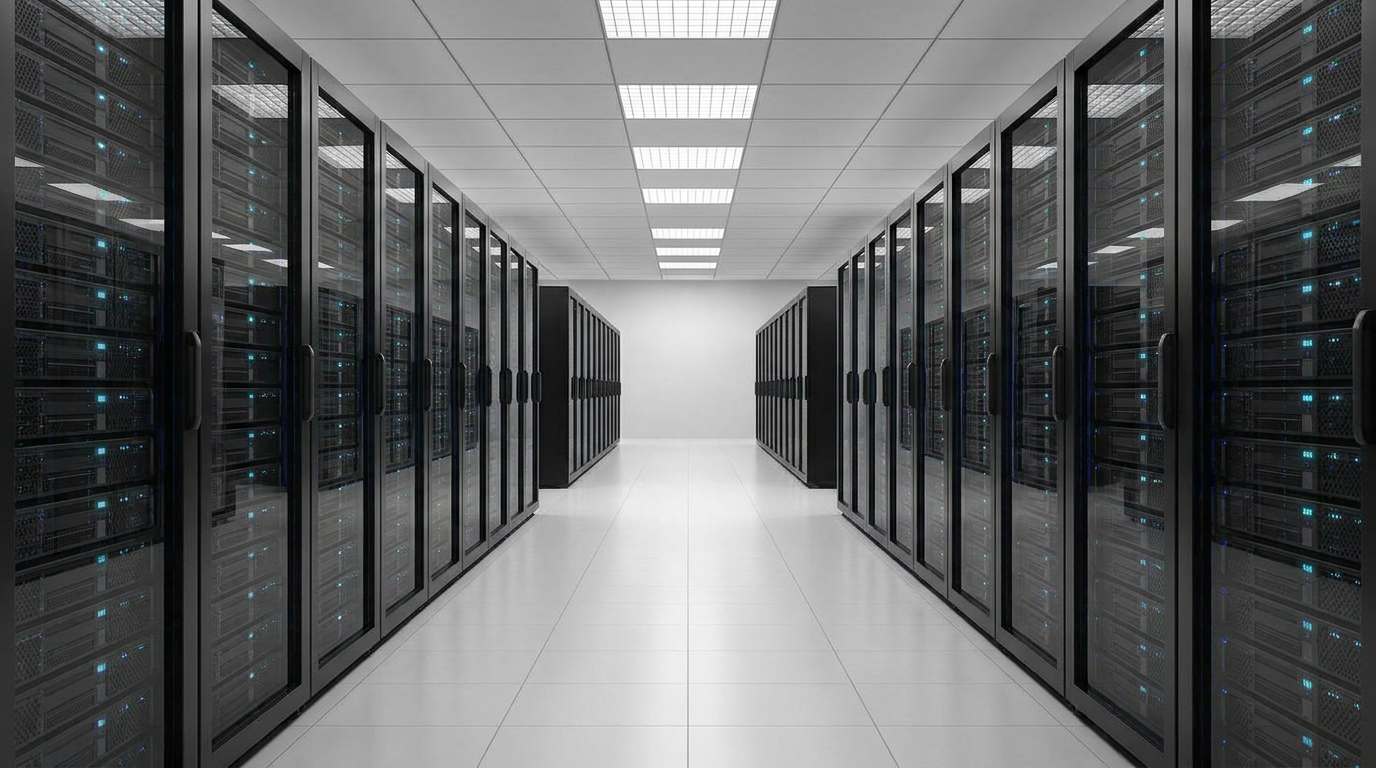
The primary driver behind these record financial results is the exceptional performance of Nvidia’s data center segment. Sales of computing hardware, including their key graphics processing units (GPUs) and other specialized chips, have seen unprecedented demand. This surge is directly linked to the rapid expansion of artificial intelligence technologies and the infrastructure required to support them.
Networking hardware sales within the data center segment were particularly strong, tripling year-over-year to achieve a new record of $14.8 billion. This indicates a robust build-out of the high-speed connections essential for massive data processing and AI model training.
Shareholder Returns and Industry Trends
In conjunction with its stellar financial report, Nvidia unveiled substantial shareholder-friendly initiatives. The company announced an $80 billion share buyback program and increased its quarterly dividend from $0.01 to $0.25 per share. Chief Financial Officer Collette Kress stated the company plans to return 50% of its free cash flow this year to shareholders.
These results highlight a broader trend in the technology sector, where hardware sales, particularly custom silicon chips, are increasingly becoming the bedrock of major tech companies' profitability. This reliance on advanced chip technology is reshaping competitive landscapes and driving innovation across the industry.
Other major technology firms are also heavily investing in chip development and data center infrastructure. Amazon CEO Andy Jassy noted the rapid growth of his company's custom chips business, estimating its standalone revenue potential around $50 billion annually. Google, in partnership with Blackstone, is launching a new data-center company utilizing its custom Tensor Processing Units (TPUs), signaling a direct move to compete with Nvidia in selling chips to external clients.
The startup ecosystem is also vibrant, with companies like Cerebras Systems, which specializes in AI-optimized chips, experiencing significant success. Cerebras recently held the largest IPO of 2026 to date, raising $5.6 billion, underscoring the intense investor interest in AI hardware solutions.
This heightened market enthusiasm for AI hardware is also evident in the M&A landscape. 2025 saw a record number of 121 mergers and acquisitions within the semiconductor industry. The total value of these transactions reached $64.2 billion, the highest annual figure since 2020, reflecting a strong consolidation and investment phase in the sector.