Russia, China Advance Gas Pipeline Plan
Russia and China have agreed on the route for the Power of Siberia 2 gas pipeline, a strategic project to redirect Russian gas to China.
Lauren Collins ·
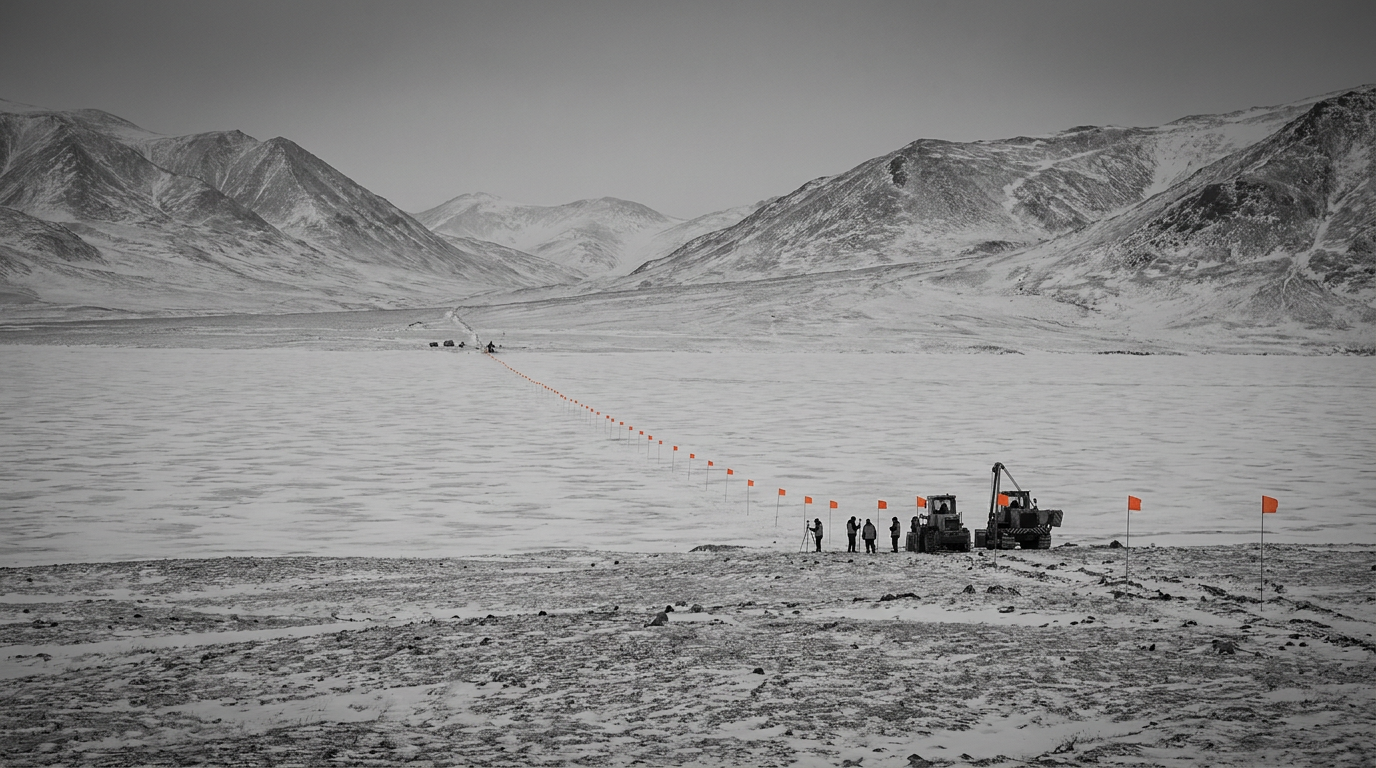
Russia and China have reached an understanding on the route and construction of the proposed Power of Siberia 2 (POS-2) natural gas pipeline, a project designed to transport Russian gas from western Siberia through Mongolia to China. This development emerged from a summit between Russian President Vladimir Putin and Chinese President Xi Jinping in Beijing on May 20, 2026. The 2,600 km (1,616-mile) pipeline is projected to have an annual capacity of 50 billion cubic meters (1.77 trillion cubic feet), nearly matching the capacity of the former Nord Stream 1 pipeline to Europe.
The pipeline is strategically significant for Russia, aiming to offset revenue losses incurred since European countries reduced gas imports following Russia's February 2022 invasion of Ukraine. For China, POS-2 offers a more secure alternative to liquefied natural gas (LNG) imports, which are vulnerable to disruptions at strategic maritime chokepoints. While logistically feasible, with Russia's Gazprom possessing extensive experience in large-scale pipeline construction, the project faces commercial hurdles, primarily concerning gas pricing.
Analysts indicate that China, not facing the same urgency as Russia, is negotiating for lower prices, leveraging Russia's need for new export markets. The construction timeline for POS-2 is estimated to be several years, potentially a decade from initiation to full capacity, similar to the Power of Siberia 1 pipeline which took five years from agreement to initial deliveries. Final details, particularly commercial terms, remain under negotiation, with no definitive timetable for project execution.