U.S.-Iran conflict draws Saudi Arabia into Iraq site hits
The U.S.-Iran conflict widened as Saudi Arabia joined strikes in Iraq, while stalled diplomacy raised risks for U.S. bases and regional markets.
Lauren Collins ·
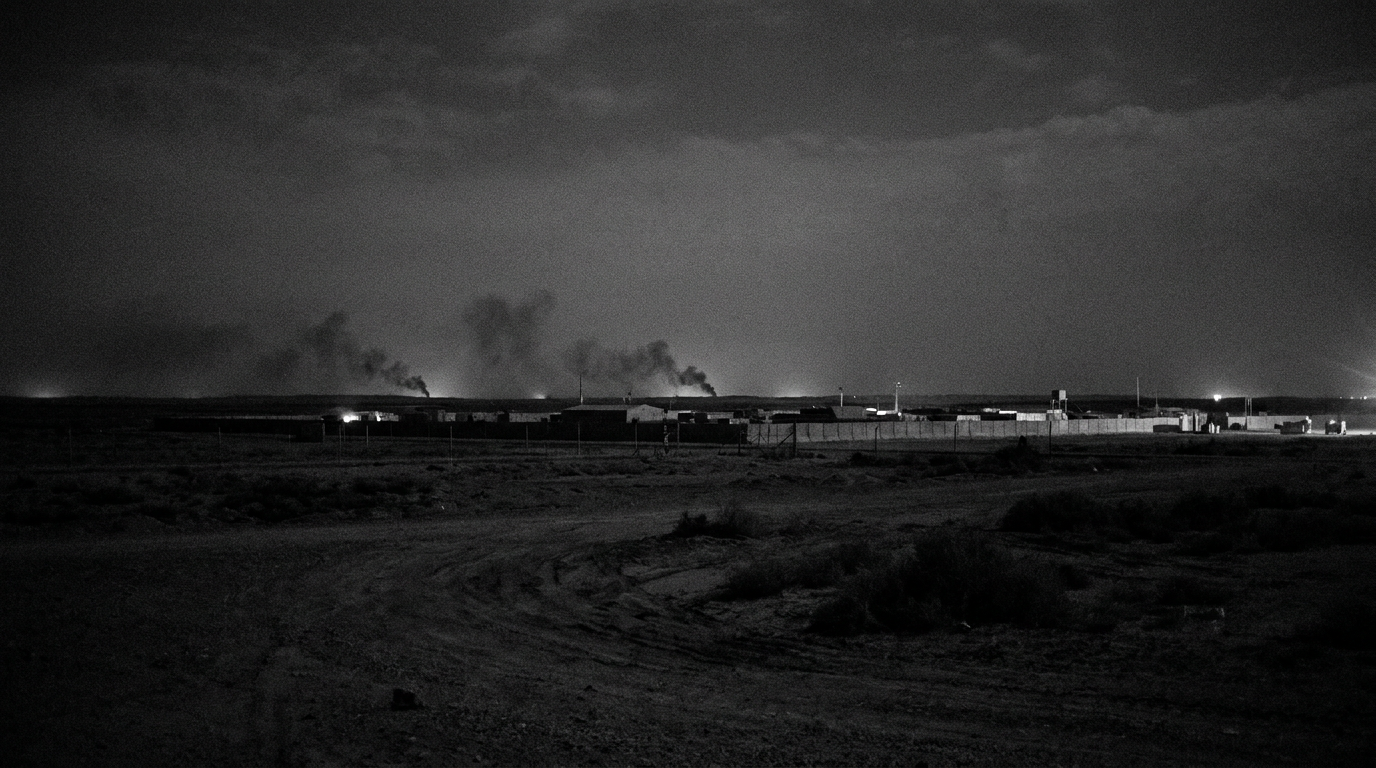
U.S.-Iran conflict widened after Saudi Arabia joined U.S. strikes in Iraq, while stalled talks raised pressure on bases and markets.
Jordan base draws fire
The latest cycle of force followed an attempted strike on a U.S. installation in Jordan. Iran said it launched ballistic missiles toward Muwaffaq Salti Air Base, a regional hub for American forces, and President Trump said the missiles were intercepted.
Trump kept open the possibility of talks but shifted quickly to threats after the attack was stopped. He told reporters, "They’ve already apologized, but, you know, we got to smack them a little bit," adding, "It’s our turn, and we’ll see if we get there with an agreement at some point. But we’re going to hit them very hard."
Saudi Arabia enters Iraq strikes
Hours later, the U.S. military described its action as "a powerful response to yesterday’s attempted Iranian attacks on U.S. forces based in the Middle East" in a social media post. It did not identify the targets, leaving the scale and tactical purpose of the operation unclear.
Saudi Arabia also joined the U.S. in hitting logistics and weapons locations used by Iranian-backed militias in Iraq, according to the source account. That public Saudi role changes the profile of the confrontation because it places a major Gulf power alongside Washington in direct action against Tehran-linked networks.
The Iraq strikes also show how the conflict can widen without a formal declaration or a single front line. Proxy infrastructure, air bases and missile defenses have become the operating map, which means decisions made in Washington, Riyadh and Tehran can create pressure across several countries at once.
Diplomacy faces two tracks
The diplomatic channel is weakening at the same time as the military tempo rises. President Trump and his allies have said Iran wants to return to negotiations, but Iran’s deputy foreign minister said Tuesday that Tehran had not asked to reopen talks in more than two weeks.
That gap matters because each side is presenting a different account of who needs a deal and who holds leverage. For Washington, threats are being paired with public claims that diplomacy remains possible; for Tehran, denying a request for talks signals that pressure has not yet forced a visible retreat.
The pattern has built over several months, with the White House moving between assertions that an agreement could be near and harsher demands aimed at Iran’s nuclear program. The repeated swings have not produced a settlement, and the latest exchange suggests the negotiating track is now operating under deeper mistrust.
Air defense stocks become constraint
The military stakes are also political for President Trump. The source account says the renewed fighting has killed and wounded additional American troops, without providing casualty totals, and has landed months before November midterm elections.
Another constraint is hardware. Concerns are rising that the U.S. is drawing down key air defense systems needed to protect its own facilities and partners, a risk that becomes more acute if missile and drone attacks keep forcing interceptions.
For the global economy, the immediate transmission channel is uncertainty rather than a verified market move from the source. A longer exchange can affect risk appetite, energy security planning and defense procurement decisions even when price data are not available in the source material.
Scenarios hinge on restraint
If the latest strikes remain bounded and intercepted attacks do not cause major casualties, the macro effect is likely to stay concentrated in risk pricing and regional security costs. For the White House, that path preserves room to claim deterrence while keeping talks available; for the defense sector, it sustains demand for air defense replenishment without forcing a broader wartime footing.
If another attack kills more U.S. personnel or hits a major regional asset, the mechanism changes. Washington would face stronger pressure to escalate, Saudi Arabia could be pulled further into anti-militia operations, and the wider security industry would confront faster consumption of interceptors and replacement systems.
If diplomacy restarts, the test will be whether both governments can accept talks without appearing to concede first. That would ease macro risk through lower regional tension, give President Trump a political off-ramp, and reduce near-term pressure on Gulf partners and militia-exposed sectors in Iraq.