Ukraine peace talks progress as Trump urges Russian settlement
G7 leaders express cautious optimism for Ukraine peace talks after a constructive meeting between Donald Trump and Volodymyr Zelenskiy in France.
Claire Dubois ·
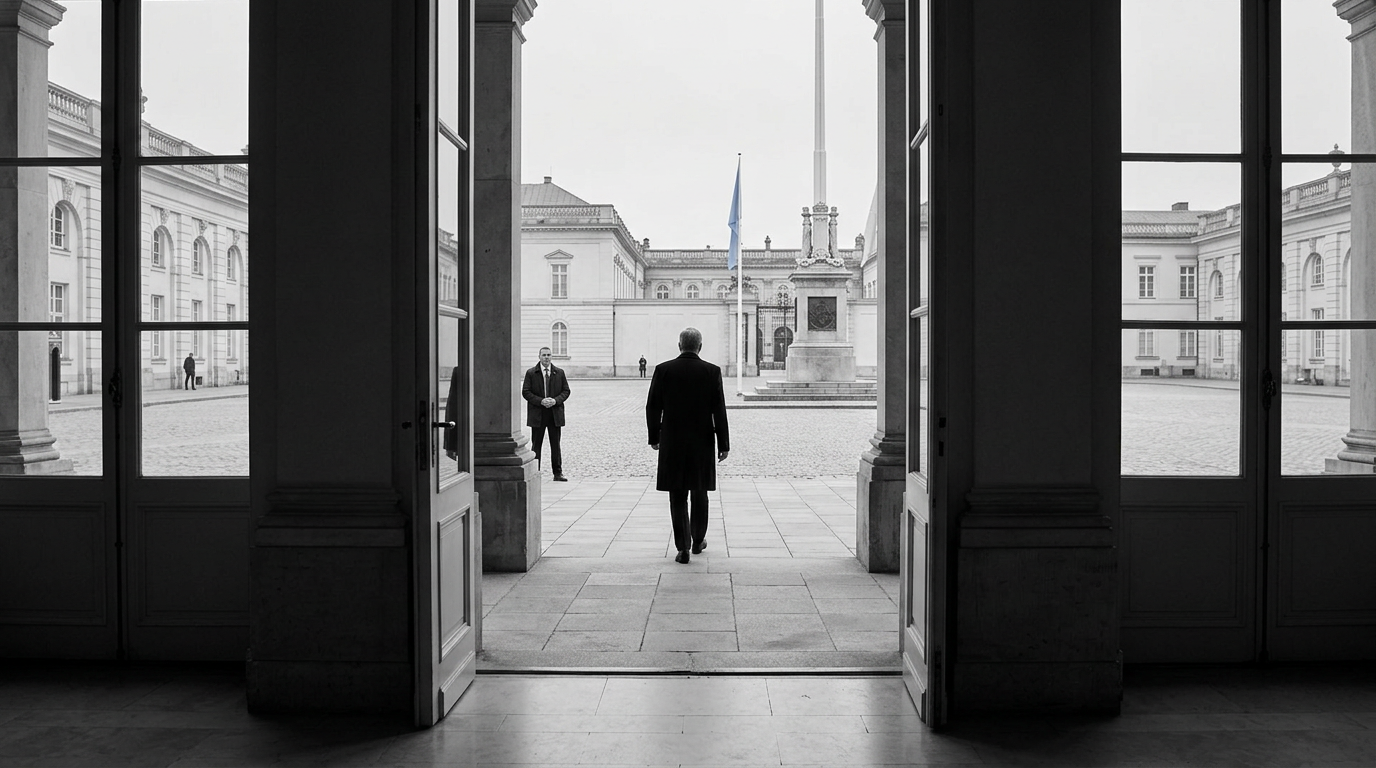
Ukraine peace talks gained fresh momentum at the French G7 summit after Donald Trump urged Russia to negotiate, bringing cautious optimism to allies. The American president's comments mark a notable shift in the diplomatic landscape surrounding the conflict, which has now entered its fifth year. International observers view this development as a potential turning point in Western efforts to resolve the crisis.
The constructive dialogue took place during a high-profile meeting between Trump and Ukrainian President Volodymyr Zelenskiy in the French lakeside town of Evian-les-Bains. This supportive atmosphere stood in sharp contrast to their bilateral meeting last year in Washington, when U.S. officials suggested Kyiv lacked sufficient leverage to negotiate effectively. The transition to a more cooperative tone has injected new energy into diplomatic corridors.
A Shift in Diplomatic Synergy
Prior to the summit, Ukrainian leaders and their European allies sought to present a strong case to the American administration. Kyiv highlighted its recent military advancements, particularly successful long-range drone incursions deep into Russian territory, to demonstrate its strategic viability on the modern battlefield. These technological successes were framed as critical cards for future negotiations.
Trump, who had recently announced a preliminary agreement addressing tensions with Iran, publicly urged Moscow to seek a settlement. He emphasized the heavy human toll on both sides of the front lines, stating that Russia should actively pursue a peace agreement. While the president did not outline specific diplomatic steps, his public willingness to engage on the matter has energized G7 negotiators.
The remarks have shifted the summit's focus toward finding a viable exit strategy for the protracted eastern European conflict. However, analysts caution that translating general optimism into concrete policy will require intense coordination among Western nations.
European Leaders Signal Cautious Optimism
German Chancellor Friedrich Merz expressed strong support for the renewed American stance. Merz characterized the discussions as highly collaborative, noting that Trump appeared attentive to European security concerns during their deliberations. He signaled that this engagement represents a substantial step forward for the transatlantic alliance.
The German leader emphasized that unified action between Washington and Brussels remains critical for ending the hostilities. He suggested that the current alignment presents a rare window of opportunity for transatlantic cooperation. This unified front is seen as essential for presenting a credible deterrent to foreign adversaries.
Furthermore, Zelenskiy indicated that G7 leaders share a unified assessment that Moscow is failing to achieve its strategic military objectives. This consensus has reinforced the coalition's resolve to maintain pressure on the Kremlin while keeping diplomatic channels open.
Economic Leverage and Next Steps
To compel Moscow to enter formal negotiations, G7 leaders discussed escalating economic measures during their closed-door sessions. Key proposals centered on tightening restrictions on Russian oil exports, which continue to fund the Kremlin's war cabinet. Allies also evaluated secondary sanctions targeting international entities facilitating Russian trade bypasses.
Additional measures under review include expansive sanctions targeting Russia’s financial sector and its domestic military production capabilities. Leaders believe that cutting off critical industrial supply chains is vital to degrading Moscow's long-term combat capacity. These measures aim to demonstrate that prolonged warfare carries an unsustainable economic cost.
In the coming weeks, diplomatic focus will turn to translating these high-level discussions into a concrete framework for negotiations. The challenge lies in balancing economic pressure with a diplomatic corridor that both Kyiv and Moscow find acceptable. Observers will closely monitor Washington's next moves to see if policy matches the summit's hopeful rhetoric.