Iran Is Testing How Much Pain Trump Will Take at the Pump
Trump rejects Iran's cease-fire terms, straining truce. Strait of Hormuz disruption lifts oil prices, pushing crisis to China summit agenda.
Jason Kwon ·
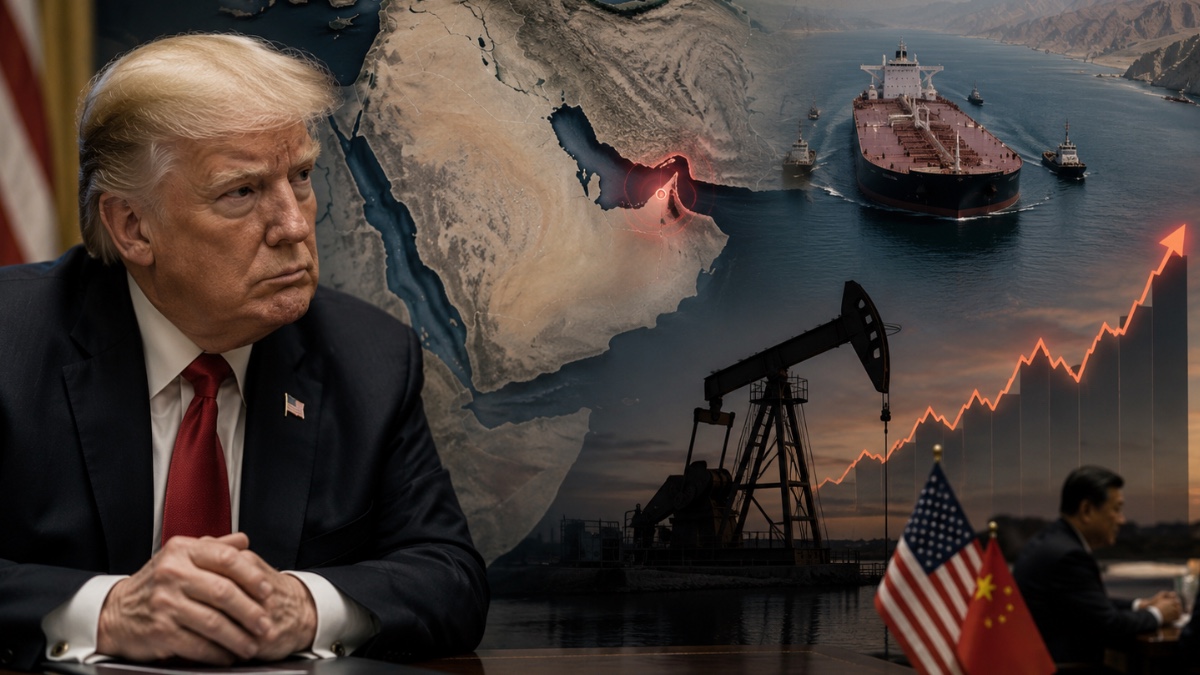
The U.S.-Iran cease-fire came under fresh pressure Tuesday after President Donald Trump dismissed Tehran’s latest terms for ending the conflict and restoring normal traffic through the Strait of Hormuz. Iran’s reported conditions included sanctions relief, compensation from Washington and recognition of Iranian authority over the strategic waterway, demands that left the White House with little political space to claim a diplomatic win. Trump has said the truce is barely holding, while U.S. officials continue to press for nuclear concessions that Tehran has resisted. The result is a cease-fire that still exists on paper but is losing the confidence of traders, allies and regional governments.
Hormuz Becomes the Pressure Point
The strait is now the center of the crisis because it links the military dispute to household costs, shipping schedules and global inflation. Iran’s restrictions on passage have hit one of the world’s most important energy corridors, and oil markets are responding as if the disruption may last longer than diplomats hoped. Brent crude moved above $100 a barrel, with reports putting Brent at $106.36 and WTI at $100.51 as investors priced in a prolonged standoff. That market move gives Tehran leverage, but it also raises the risk that Washington or its partners decide economic damage has become too severe to tolerate.
Uranium Warning Raises Stakes
Iran also sharpened the nuclear dimension of the dispute. Ebrahim Rezaei, a spokesman for the national security committee in Iran’s Parliament, warned that lawmakers could consider enrichment to 90% purity if Iran is attacked again, a level associated with weapons-grade material. He did not say such a decision had been made, which leaves the warning in the category of coercive signaling rather than a confirmed nuclear shift. Still, the threat matters because sanctions relief would be difficult for Washington to justify without strict limits on Iran’s nuclear program, and Tehran is now linking military pressure to a possible nuclear escalation.
The energy shock is already moving into U.S. domestic policy. Trump has floated suspending the federal gasoline tax, an 18.4-cent charge on each gallon of gasoline, but Congress would have to approve the move. Reports indicate that the tax also helps finance highway and transit spending, which means any holiday would create a budget and infrastructure fight even before lawmakers debate whether drivers would receive the full savings. The proposal shows how quickly a Middle East conflict can become a kitchen-table issue in the United States, especially when pump prices rise faster than diplomacy moves.
China Moves Into Center Frame
Trump’s scheduled meeting with Xi Jinping now carries more than the usual trade and security agenda. China has close ties with Iran and is a major buyer of Iranian oil, giving Beijing influence Washington cannot easily replicate. Reports indicate that Trump is heading to China with Iran on the agenda, while other reporting suggests the crisis has given Xi room to seek concessions on separate issues, including trade and Taiwan. That makes the summit a diplomatic test: Trump wants Chinese pressure on Tehran, but Beijing may see no reason to offer help without a price.
The crisis is also spreading through economies that depend heavily on imported energy and fertilizer. Indian Prime Minister Narendra Modi has urged citizens to conserve fuel, reduce foreign travel and ease demand for chemical fertilizers as New Delhi tries to manage the supply shock. Reports indicate that India imported $174 billion in crude oil and petroleum products in the last fiscal year, more than one-fifth of its goods imports, while its trade deficit reached $119 billion. That exposure explains why the Hormuz dispute is not just a U.S.-Iran story; it is a balance-of-payments problem for large importers and a food-security risk for countries dependent on fertilizer flows.
One-Month Truce Frays
The immediate question is whether the cease-fire can survive long enough for outside pressure to matter. Iran appears to be betting that higher energy prices and political pressure in the U.S., India and other import-dependent economies will force Washington to soften its position. The White House is betting that sanctions, military deterrence and China’s influence can push Tehran toward a deal that includes nuclear limits and a reopening of the strait. The danger is that both sides may overestimate their leverage: a new strike, a nuclear announcement or a failed Beijing push could turn a fragile pause into a wider conflict.