Prince Harry lawsuit faces £34.5 million cost fight in court
Prince Harry lawsuit costs could exceed insurance cover as ANL seeks a £9.95 million interim payment after dismissal.
Raj Patel ·
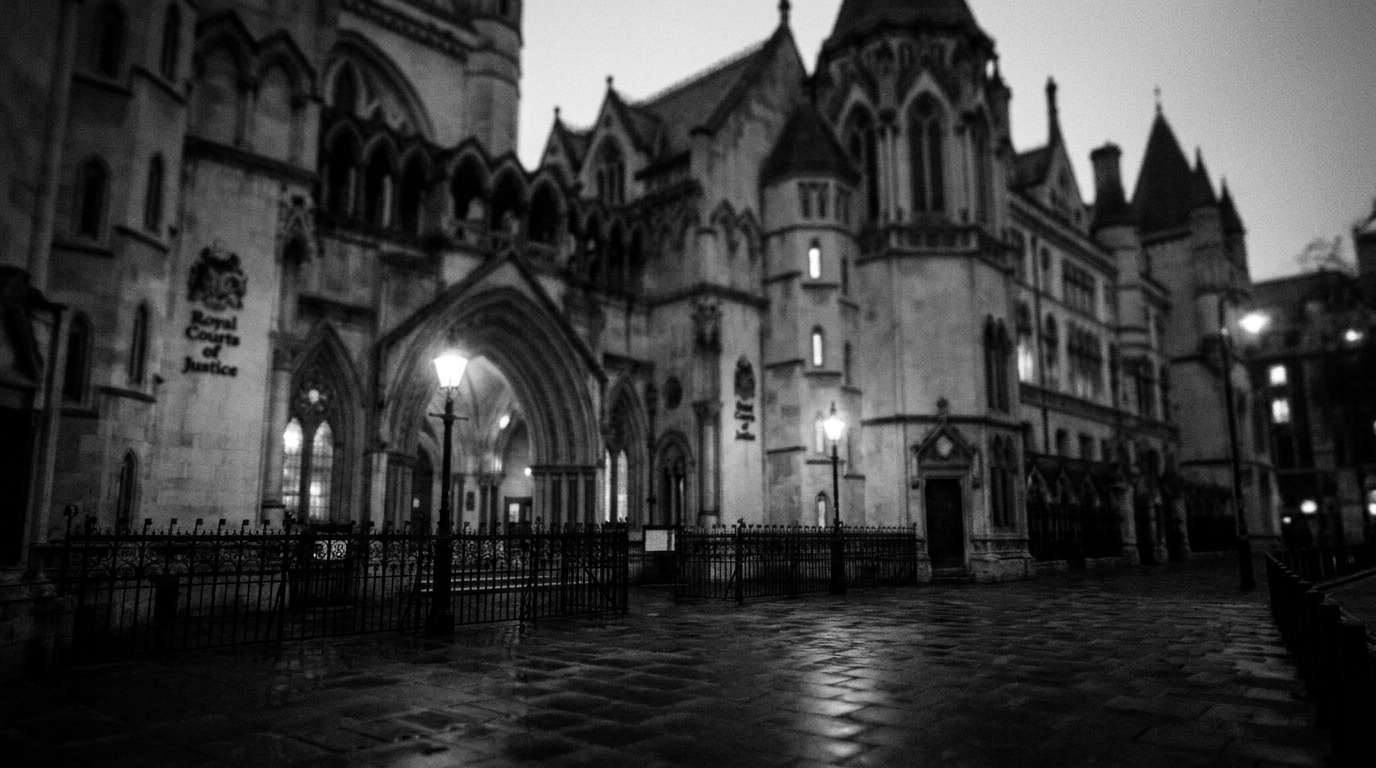
Prince Harry lawsuit costs could exceed the claimants’ insurance after ANL said its defense bill reached £34.5 million.
The dispute has shifted from privacy claims to who pays for a costly failed case in London’s High Court. Associated Newspapers Limited is asking the court for an interim payment of about £9.95 million after the lawsuit was dismissed on July 7.
Insurance gap drives court fight
The central pressure point is the difference between the claimants’ stated £16.2 million insurance cover and the £34.5 million in costs the publisher says it incurred. If the court accepts ANL’s position, the group could face exposure beyond the available policy.
Prince Harry is among the claimants, along with Doreen Lawrence and others who pursued the privacy action against the publisher. The court has not yet settled the final structure of the costs order, leaving the claimants’ personal liability unresolved.
The claimants have offered an £8 million interim payment, according to the case materials. That offer sits below the publisher’s request and well below the full amount ANL says it spent defending the case.
ANL seeks higher recovery standard
ANL’s counsel argued that costs should be assessed on an indemnity basis, a standard that can make recovery easier for the winning side than ordinary cost assessment. The publisher’s legal team said the claimants pushed the litigation to an extreme point and forced unusually heavy spending.
The publisher also told the court that the case formed part of a wider effort aimed at the company. Its counsel referred to broad allegations against 77 staff members, which it said were not proved.
That argument matters because cost decisions often turn on conduct as well as outcome. If a judge finds that the losing side advanced an overextended case, the financial order can become more severe than a routine award after dismissal.
Claimants challenge the publisher's bill
The claimants reject ANL’s presentation of the legal bill. Their lawyers described the £34.5 million figure as excessive and out of proportion to the case, arguing that it rose far above budgets previously approved in the litigation.
They also say the claim was brought in good faith, a point designed to counter ANL’s push for a harsher cost basis. The court must now decide not only how much should be paid immediately, but also what framework should govern any later assessment.
The practical result could be a major funding problem for the claimants. Even before any final bill is fixed, the insurance cover cited in court would not meet ANL’s claimed defense costs in full.
Media litigation risks widen
The ruling’s direct effect falls on Prince Harry, Doreen Lawrence and the other claimants, but the cost battle also matters for high-profile media litigation. Large privacy and information claims can become financially hazardous when they fail after long proceedings.
For publishers, a strong costs award can reinforce the economic defense of contested reporting and legal strategy. For claimants, the case highlights the importance of litigation budgets, insurance limits and exposure to adverse costs if a court rejects the underlying claim.
If the court grants ANL’s requested interim payment near £9.95 million and supports indemnity assessment, the mechanism is straightforward: the insurance gap widens, the claimants face greater personal risk and publishers may be more willing to contest similar claims aggressively. That path would have little direct effect on the global macro picture, but it could harden the financial calculus around UK media law disputes.
If the court instead gives more weight to the claimants’ proportionality argument and keeps the interim payment closer to £8 million, the immediate pressure on the group would ease. The wider industry signal would be narrower: courts may still award costs after failed privacy cases, but claimed defense bills will face close scrutiny before they become payable.
The open questions are specific and financial. The court must decide the interim amount, the cost basis and how far ANL’s £34.5 million claim survives detailed review.