Fauci Invokes Fifth Amendment Rights During Senate Pandemic Testimony
Fauci invoked Fifth Amendment rights at a Senate hearing Wednesday on Covid-19 origins, amid partisan clashes and claims about diary entries.
Atlas Newsdesk ·
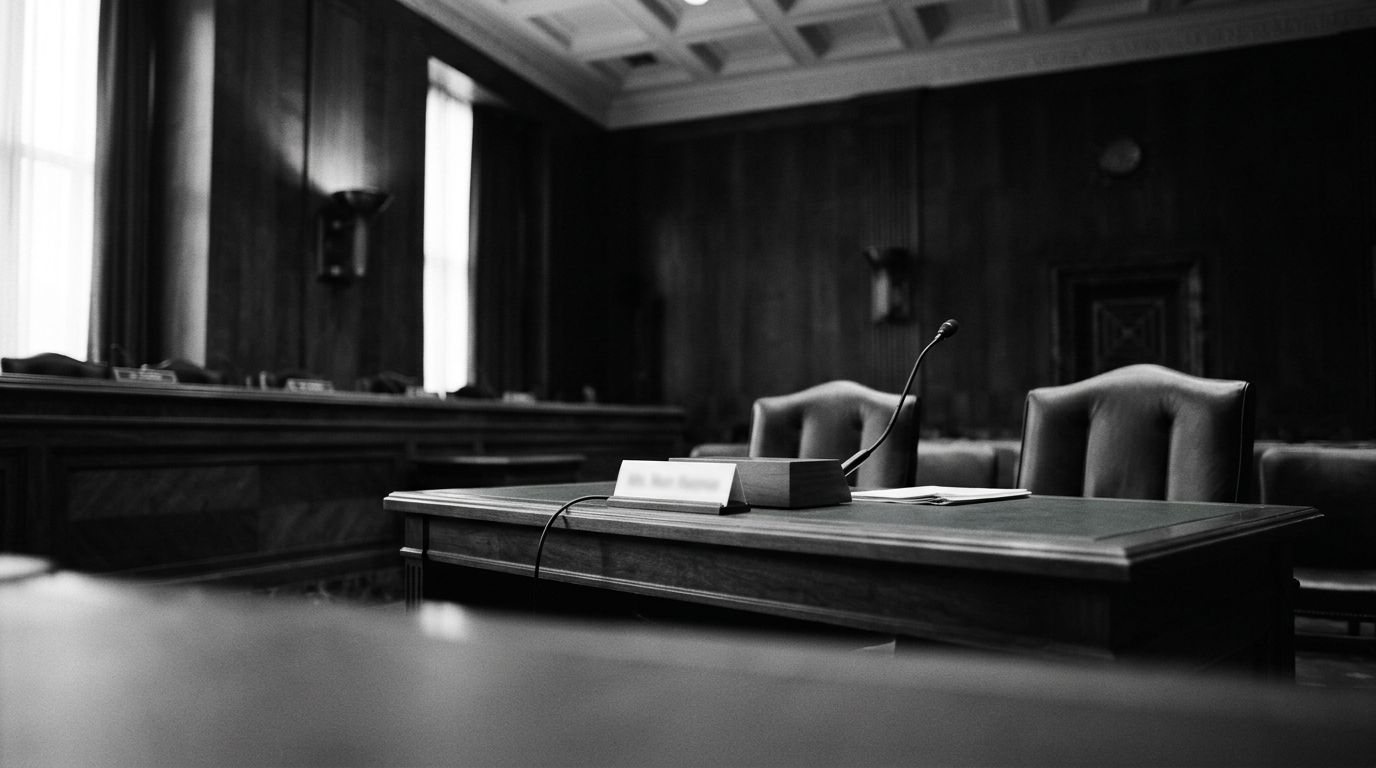
Former National Institute of Allergy and Infectious Diseases director Anthony Fauci invoked his Fifth Amendment right against self-incrimination during a Senate committee hearing on Wednesday, declining to answer questions tied to the origins of the Covid-19 pandemic.
Republican lawmakers leading the proceedings framed the session around whether Fauci could face criminal liability related to past public statements about the virus’s origin. Fauci did not provide substantive testimony, instead relying on constitutional protections that limit compelled self-incriminating statements.
Senate focus turns to criminal exposure claims Former National Institute Fauci said he acted on legal advice and described the atmosphere as an effort to obtain testimony that could be used for potential prosecution. The Fifth Amendment invocation is a legal safeguard and, on its own, does not amount to an admission of guilt. Senator Rand Paul released what he described as private diary entries and said they conflict with Fauci’s public assertions about the pandemic’s origins. The hearing took place against that backdrop, with lawmakers pressing on perceived inconsistencies while Fauci remained silent. Political divisions sharpen over lab-leak debate The session underscored continuing partisan disputes over how the pandemic began. Republican members argued in favor of the lab-leak theory, using the hearing to revisit claims about official messaging and the handling of early-origin questions.
Democratic senators criticized the committee’s approach
Democratic senators criticized the committee’s approach, characterizing it as an entrapment effort rather than a fact-finding exercise. They challenged the framing of the hearing and objected to the direction of questioning as it related to potential prosecution themes.
Procedural friction includes removal of legal counsel
Proceedings were also marked by procedural conflict, including the removal of legal counsel from the hearing room. The dispute added to the tension in a session already shaped by competing narratives about accountability, oversight, and the proper scope of congressional inquiry.
Officials and lawmakers did not identify any near-term path to settling the underlying scientific dispute during the hearing. The absence of a definitive scientific consensus on the virus’s origin continues to fuel legislative scrutiny and repeated public clashes among policymakers.
Unresolved origin questions keep Congress engaged
With no immediate resolution expected in the current political climate, the hearing signaled that pandemic-origin investigations are likely to remain an active point of contention. The combination of unresolved scientific questions and political stakes continues to draw senior public health figures into adversarial oversight settings.
The hearing closed without definitive new findings on origin questions, leaving the debate centered on competing interpretations of prior statements, disputed documents, and the limits of compelled testimony under the Constitution.