Kargil War ‘5 things you didn’t know’: what the record can’t confirm
Explore claims about the 1999 Kargil War, including covert allies and nuclear tensions. This analysis examines the lack of official sourcing provided.
Omar Farouk ·
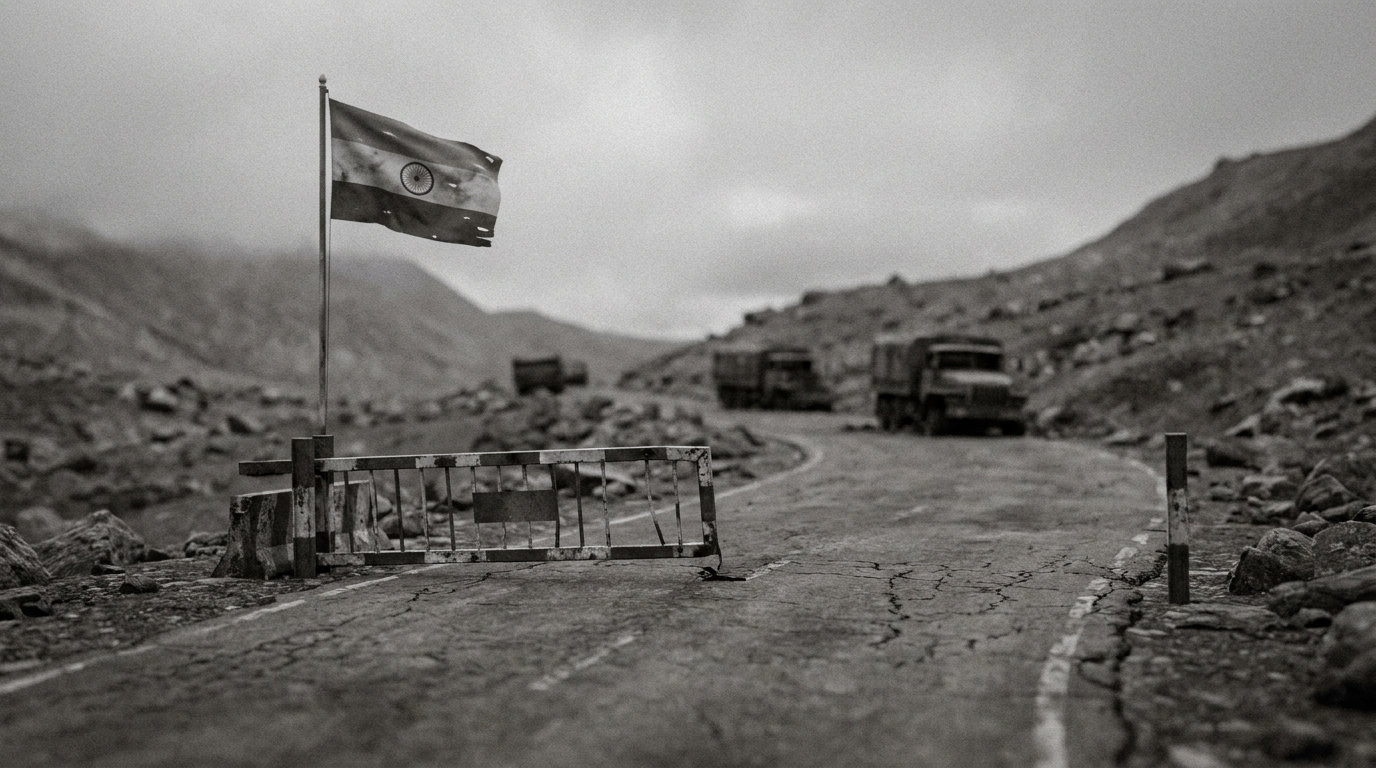
# Kargil War ‘5 things you didn’t know’: what the record can’t confirm
The prompt circulating around Kargil Vijay Diwas repackages the 1999 Kargil War as a set of “lesser-known facts,” including alleged foreign support, details of India’s high-altitude air campaign, and references to nuclear brinkmanship. But the material provided here is not a primary source and includes no named officials, filings, or declassified records that would allow those claims to be stated as fact.
For readers in the Middle East
For readers in the Middle East, the immediate challenge is relevance: the Kargil conflict was a South Asian theatre, and the signal does not point to any fresh regional government, military, or energy development in the last 24–72 hours that would tie it to current Gulf, Levant, or Red Sea dynamics.
The Kargil War was fought in 1999 along the Line of Control (LoC), the de facto boundary that divides Indian- and Pakistani-administered Kashmir. It remains one of the most consequential conventional conflicts between two nuclear-armed rivals, shaping military doctrine, crisis signaling, and external diplomacy in the years that followed.
The prompt also references India’s air operations at high altitude and “nuclear tensions.” Those themes are broadly associated with Kargil in many public histories, but this signal does not provide verifiable documentation or attributable, named statements that would let AtlasNews360 confirm specific operational claims, timelines, or third-party involvement.
Even when the fighting is geographically distant from Even when the fighting is geographically distant from the Middle East, South Asian military crises can ripple outward through energy demand expectations, risk pricing, and diplomatic bandwidth. In periods of heightened tension, markets often reassess the resilience of supply chains and shipping routes that connect Asia to the Gulf, even if the immediate battlespace is far from the Strait of Hormuz.
There is also an indirect security link: Gulf states host large Indian and Pakistani diaspora communities, and regional capitals sometimes calibrate messaging to avoid importing tensions. But any claim that a 1999 episode is newly reshaping today’s regional balance would require current, attributable signals from governments or militaries, which are not present in the provided material.
By 2026-08-02 , watch for whether India’s Ministry of Defence, Pakistan’s Inter-Services Public Relations (ISPR), or another official archive releases an anniversary statement or declassified material that specifically names external partners, assistance types, or operational details referenced in the “secret allies” framing. If such primary material is published, the claims become testable against official records; if not, the story remains largely an exercise in commemoration and secondary retelling rather than new, verifiable disclosure.