Morocco election puts PAM's Lekjaa play in World Cup focus
PAM's possible Lekjaa recruitment ties Morocco election strategy to youth anger, football prestige and the next government's 2030 World Cup role.
Omar Farouk ·
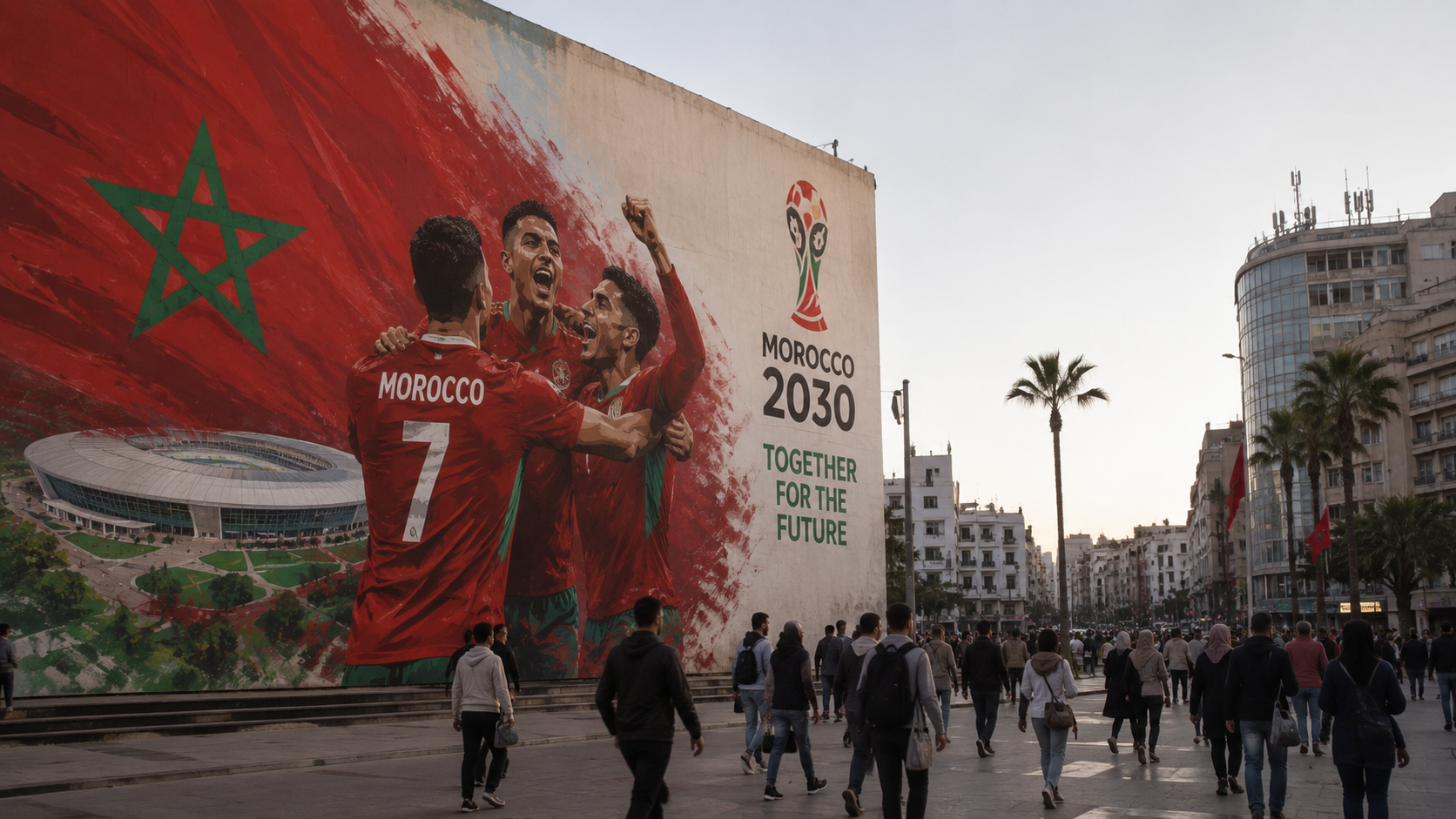
Morocco election politics are turning on PAM's possible Lekjaa play before the Sept. 23 vote, the first since Gen-Z protests over services.
The parliamentary contest will be Morocco's first national vote since 2025 demonstrations by younger citizens challenged the government's spending priorities. Protesters demanded stronger education and healthcare services, putting social policy at the center of a campaign also shaped by football and constitutional power.
PAM weighs Lekjaa's pull
PAM's interest in recruiting Lekjaa would give the party access to a public figure described as having strong support among young Moroccans. The appeal is tied to his image as an official with working-class resonance in a country where football carries wide public attention.
The strategy matters because the protest wave created a sharper test for parties seeking younger voters. A sports-linked figure may help PAM reach citizens who are skeptical of conventional politics, but the party would still need to connect that popularity to services and spending choices.
Protests reset campaign priorities
The 2025 Gen-Z protests form the campaign's most immediate political backdrop. Their message was not framed around a single party; it targeted the balance between state spending priorities and everyday public services.
That makes education and healthcare more than campaign themes. If parties respond by putting those services at the front of their platforms, the election could become a referendum on whether public money is being directed toward needs younger voters consider urgent.
The constitutional path after the vote is also central. King Mohammed VI can choose a prime minister from the party that secures the largest number of parliamentary seats, giving the winning party's seat count direct importance in forming the next executive.
World Cup government label spreads
Football gives the election another layer because Morocco reached the quarter final of this year's World Cup and is set to co-host the 2030 tournament with Portugal and Spain. The next government's term will overlap with that event, which local press accounts have described as the "World Cup government."
That label raises the stakes for any party that leads the next cabinet. A government in office during the tournament period will carry responsibility for the political management of a global event while also facing voters' expectations on schools, hospitals and broader public priorities.
PAM is not alone in the race. The field described for the vote includes four main groups, among them the Islamist Justice and Development Party and the nationalist Istiqlal Party, making coalition positioning and post-election bargaining important even before ballots are cast.
Three paths after Sept. 23
If PAM wins the most seats and successfully brings Lekjaa into its campaign orbit, the party could pair football credibility with a message aimed at younger voters. For the global macro picture, that would signal continuity around the 2030 hosting calendar; for PAM, it would test whether personal appeal can translate into governing authority; for the wider political sector, it could encourage parties to recruit figures from outside traditional party structures.
If another contender finishes first, the constitutional mechanism would shift attention to King Mohammed VI's choice from that winning party. The global effect would be measured through the new government's handling of the 2030 tournament commitments; PAM would need to decide whether Lekjaa's appeal still strengthens its opposition or coalition role; rival parties would gain space to define the service agenda.
If youth pressure remains the campaign's dominant force, all contenders may have to speak more directly about education, healthcare and spending priorities. The macro consequence would be a sharper public debate over fiscal choices; PAM would face pressure to turn symbolism into policy; the wider party system would have to prove that protest demands can be absorbed through elections rather than street politics.