Hegseth demands NATO defense spending hike at summit.
US Defense Secretary Pete Hegseth will push NATO allies to raise defense spending to 5% of GDP, shifting European security burdens to continental partners.
Matteo Ricci ·
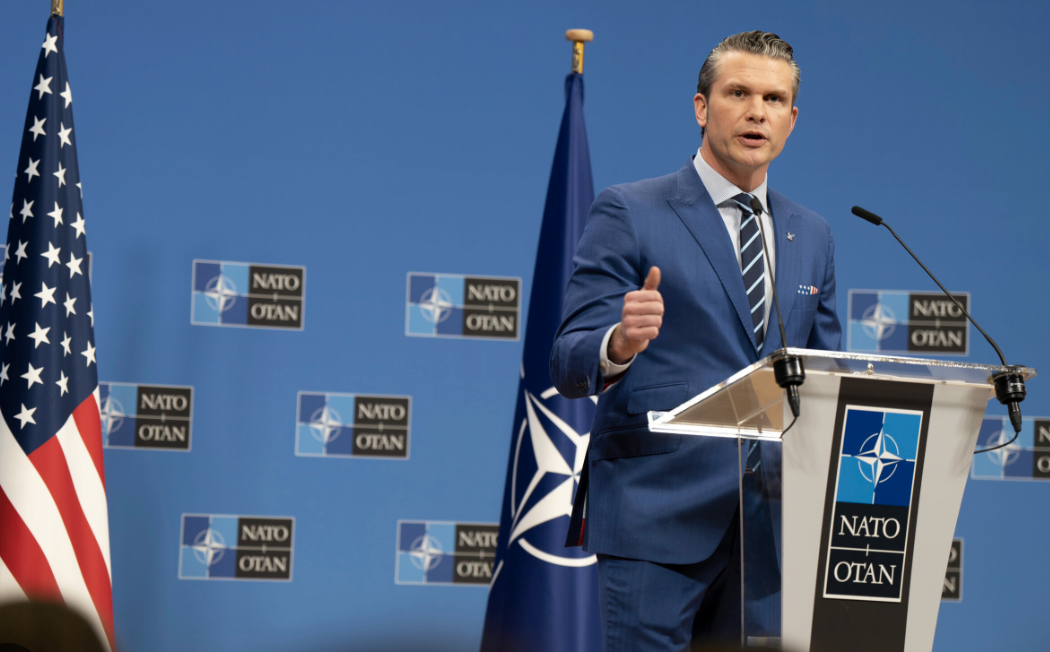
US Defense Secretary Pete Hegseth is pushing for a dramatic increase in NATO defense spending as he arrives in Belgium for a high-stakes ministerial summit.
The Pentagon announced on Tuesday that Hegseth will demand allies elevate their defense budgets to an unprecedented 5% of their Gross Domestic Product (GDP). This ambitious proposal represents a massive escalation from the current 2% target established a decade ago, signaling a restructuring of transatlantic military commitments.
A New Burden-Sharing Paradigm
This aggressive push highlights a fundamental shift in American foreign policy under the current administration's transactional approach to alliances. Hegseth plans to convey that European nations must take immediate, primary responsibility for conventional continental defense rather than relying endlessly on Washington.
The Pentagon statement emphasized three core pillars for the allies: raising spending, expanding industrial production, and deploying combat-ready forces. This multi-pronged strategy seeks to reduce European reliance on the American military umbrella and create self-sustaining defense ecosystems across Europe.
European leaders are already preparing for potential reductions in US troop levels and military assets historically stationed across the continent. Conflicting signals regarding overseas drawdowns have heightened anxiety among NATO partners in Brussels, who fear a sudden vacuum in security architecture.
Many of these nations have only recently adjusted their budgets to meet the 2% threshold agreed upon at the 2014 Wales Summit. Demanding a jump to 5% will require massive domestic policy overhauls for major economies like Germany, France, and Italy.
Shifting the Cost of Ukraine's Defense
Central to Washington's new strategy is a concerted effort to transfer the financial burden of supporting Ukraine. The US administration aims to transition the funding and supply of Kyiv's military forces almost entirely onto its continental allies.
By shifting these responsibilities, the White House intends to redirect domestic resources back to national priorities. The administration plans to heavily reinvest freed-up capital into rebuilding the domestic US defense industrial base, which has been strained by years of overseas allocations.
This domestic manufacturing focus aligns with broader protective economic policies designed to revitalize American factories. However, it leaves European defense manufacturers scrambling to scale up their own capabilities to meet the sudden surge in local demand.
European leaders contend that their defense industries cannot quickly absorb such a rapid pivot without long-term supply chain guarantees. The transition threatens to expose near-term vulnerabilities in ammunition production and heavy weaponry supplies.
Negotiation Hurdles and Global Implications
Achieving a consensus on a 5% GDP target will face intense political resistance from member nations. Currently, only a handful of front-line NATO members, such as Poland and the Baltic states, spend close to or above this mark.
Economists warn that such high defense allocations could strain domestic budgets already burdened by high debt levels and inflation. Yet, Washington appears determined to use its military footprint as leverage to force compliance from reluctant capitals.
Observers will closely monitor the bilateral meetings in Brussels this week for signs of compromise or fracturing within the alliance. The outcome of these discussions will likely redefine transatlantic security commitments and global deterrence strategies for the next decade.