Turkey parliament passes PKK peace-track framework law
Turkey parliament passed a law officials say aims to revive a PKK peace track, but details on oversight and timing were not provided.
Omar Farouk ·
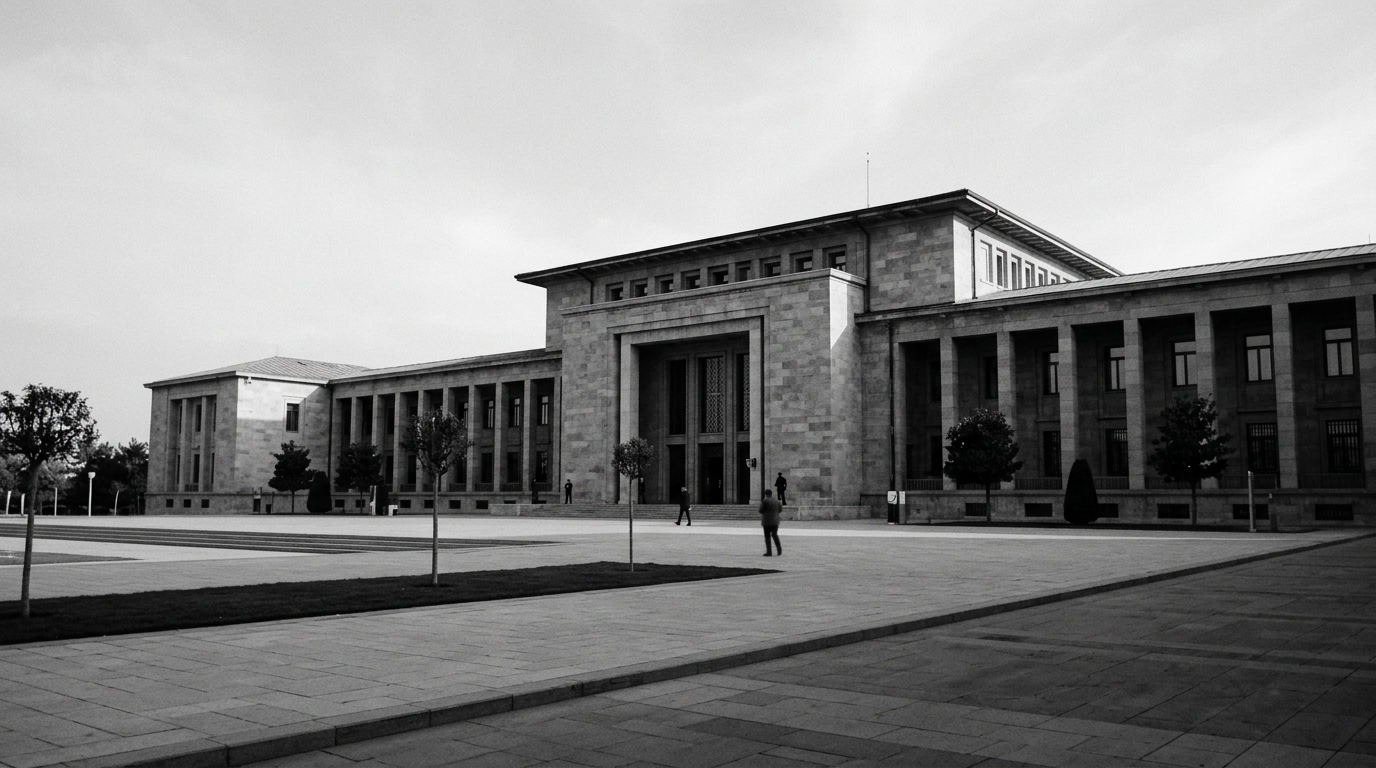
Turkey’s parliament has approved a new law that officials say is designed to support a renewed peace process with the Kurdistan Workers’ Party (PKK). The vote addresses a conflict Ankara says has killed tens of thousands and continues to shape Turkey’s security posture, particularly along the borders with Iraq and Syria.
The PKK is designated as a terrorist organization by Turkey, the United States, and the European Union. Officials framed the legislation as a framework intended to advance a peace track, but the signal available did not include the text of the law or specific provisions.
What is known about the new legal framework
Authorities have presented the measure as an effort Authorities have presented the measure as an effort to move toward a renewed process, yet details such as an implementation timetable and oversight mechanisms were not provided in the material available. That leaves key questions unresolved about how the law would operate in practice and which institutions would be responsible for supervising any steps taken under it. The absence of published specifics also makes it unclear whether the framework is built around formal talks, legal changes, demobilization measures, or other mechanisms. Officials are expected to publish the full text and related implementing regulations, which would clarify the law’s scope and the process it sets out. Conflict context: decades-long insurgency and cross-border effects The PKK has fought the Turkish state for decades, with the insurgency rooted in Kurdish demands for greater rights and political recognition. Over time, the conflict has repeatedly extended beyond Turkey’s borders and intersected with Kurdish armed groups and political movements in northern Iraq and northern Syria.
Kurdistan Workers
Turkey’s military operations in Iraq and Syria have often been justified by Ankara as measures to stop cross-border attacks and to disrupt networks it links to the PKK. The conflict’s regional footprint has also influenced Turkey’s relationships with governments in the region, including Iraq’s federal authorities and the Kurdistan Regional Government, and with allies whose forces have operated in Syria.
Potential implications for security strategy and regional posture
A parliamentary move that officials portray as supporting a peace track could recalibrate Turkey’s internal security approach and its wider regional posture at a time when border dynamics remain fluid. If Ankara reduces its reliance on cross-border operations, officials and regional stakeholders could see changes in friction points with neighboring governments.
At the same time, if the framework results in expanded or tightened security authorities, it could affect fault lines with Kurdish constituencies and armed groups. The direction of travel cannot be assessed without the law’s full text and a clear plan for how it will be applied.