Cuba sanctions sharpen Trump pressure campaign on Havana
Cuba sanctions intensified Washington’s pressure on Havana, linking national security claims to a wider campaign that analysts say could justify tougher…
Sofia Reyes ·
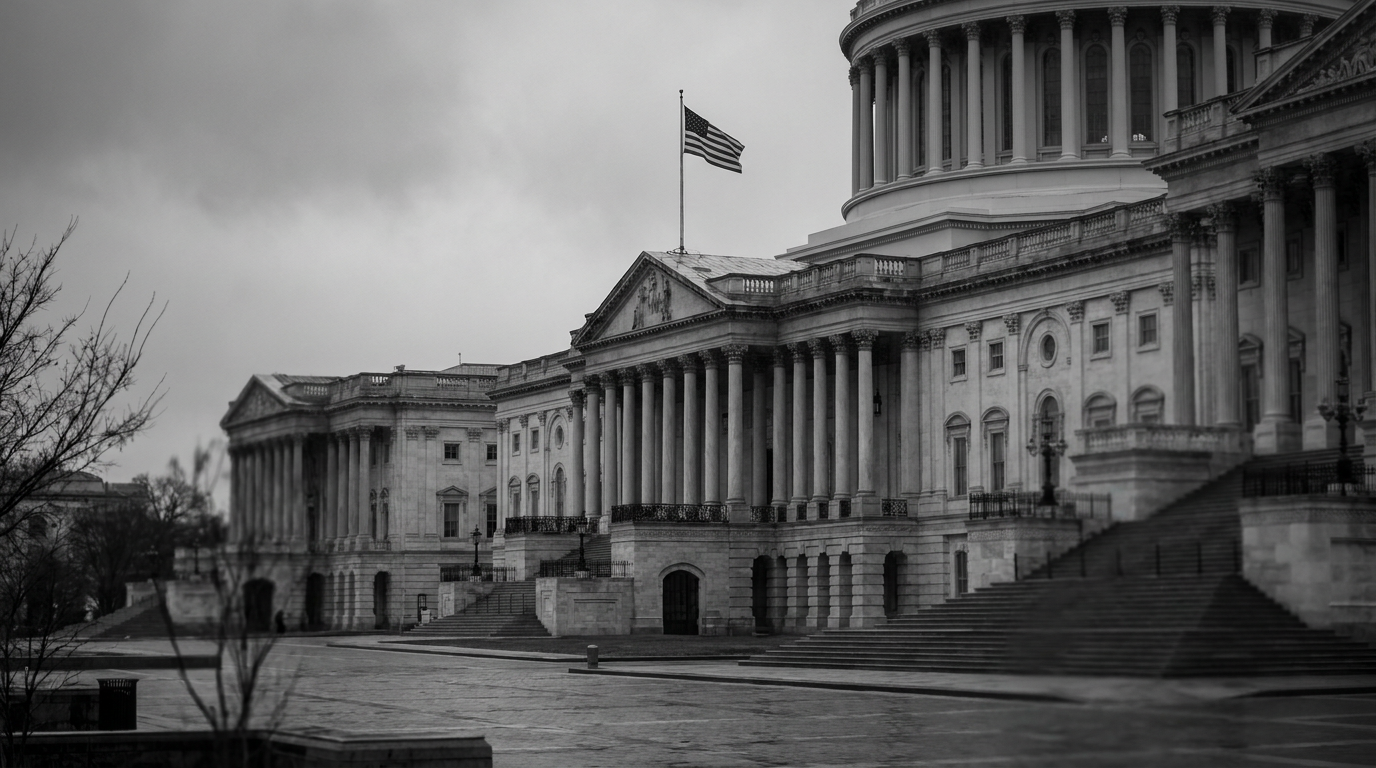
Cuba sanctions have become the Trump administration’s newest tool to frame Havana as a U.S. security threat. The move raises pressure on a fragile island economy.
On Thursday, the State Department announced new penalties aimed at the Cuban government and its supporters. Secretary of State Marco Rubio said the "Communist Cuban regime continues to pose a deep multifaceted threat to U.S. national security and hemispheric stability."
Rubio’s case against Havana
The sanctions followed a 100-page State Department report that cast Cuba as a hub for anti-U.S. activity across the hemisphere. The document tried to connect Havana to left-wing movements and organizations inside the United States, including the Democratic Socialists of America.
The report also acknowledged limits on Cuba’s military position, saying the island would be overmatched in a conventional fight with the United States. It nevertheless described Havana as "the center of a vast hemispheric network" and warned that Moscow, Beijing and Tehran were using Cuba as a meeting point for hostile ambitions.
The new pressure campaign builds on a long-running U.S. embargo that has not delivered regime change in Havana. Rubio, a Cuban American and a longtime critic of Cuba’s government, has made the island a central target of his foreign-policy agenda.
Oil pressure and criminal cases
The administration’s approach has gone beyond financial restrictions. The source material describes a broader effort to limit Cuba’s access to oil, a policy linked there to nationwide blackouts and worsening humanitarian conditions.
Washington has also used legal and security tools to raise the cost for Cuban officials. The administration unsealed an indictment against former Cuban President Raúl Castro and alleged co-conspirators, adding a criminal-law track to the sanctions and diplomatic pressure.
President Donald Trump said in mid-July that the United States was examining claims about possible Iranian drones in Cuba. He also suggested that Washington could respond if those claims were confirmed, making the drone issue a new test of how far the administration may take its security argument.
Venezuela comparison shapes fears
Some Latin America and intelligence specialists see the Cuba campaign as part of a wider regional pattern. Benjamin Gedan, director of the Stimson Center’s Latin America program, compared the current messaging to the administration’s stated rationale before the January operation against Venezuelan President Nicolás Maduro.
Gedan said the earlier Venezuela case involved shifting arguments, including gangs, migration, expropriated assets and energy. Fulton Armstrong, a former U.S. national intelligence officer for Latin America, was blunter: "This is what we did when we attacked Venezuela and rendered Maduro," he said.
The comparison matters because the administration is not relying on one argument alone. It is combining national security claims, democracy language, criminal allegations and economic pressure, which gives officials several possible routes to justify further action.
The immediate burden falls on Cuba, where energy shortages already make daily life and industrial activity harder. For companies that ship fuel, insure cargo or finance trade around the Caribbean, added U.S. scrutiny can raise compliance risk even without a military step.
If Washington keeps the campaign within sanctions and oil restrictions, the global macro effect is likely to remain diplomatic rather than systemic. Cuba would face tighter access to fuel and finance, while shipping firms, insurers and energy intermediaries would have stronger incentives to avoid Cuban exposure.
If drone allegations are elevated into an official security finding, the pressure could move from economic coercion into regional military planning. That would sharpen U.S. confrontation with Cuba, unsettle Caribbean trade routes and increase political risk for companies operating near sanctioned networks.
If the claims fail to gain public evidence, the administration may still use sanctions, indictments and diplomatic isolation as the main tools. The open questions are whether Washington produces verifiable proof on drones, whether oil pressure deepens Cuba’s blackouts, and whether regional governments resist or align with the campaign.