Saudi nuclear deal faces Democratic pushback in Congress
The Saudi nuclear deal faces early Democratic resistance over oversight concerns, but Republicans may leave opponents short of the votes needed to block it.
Omar Farouk ·
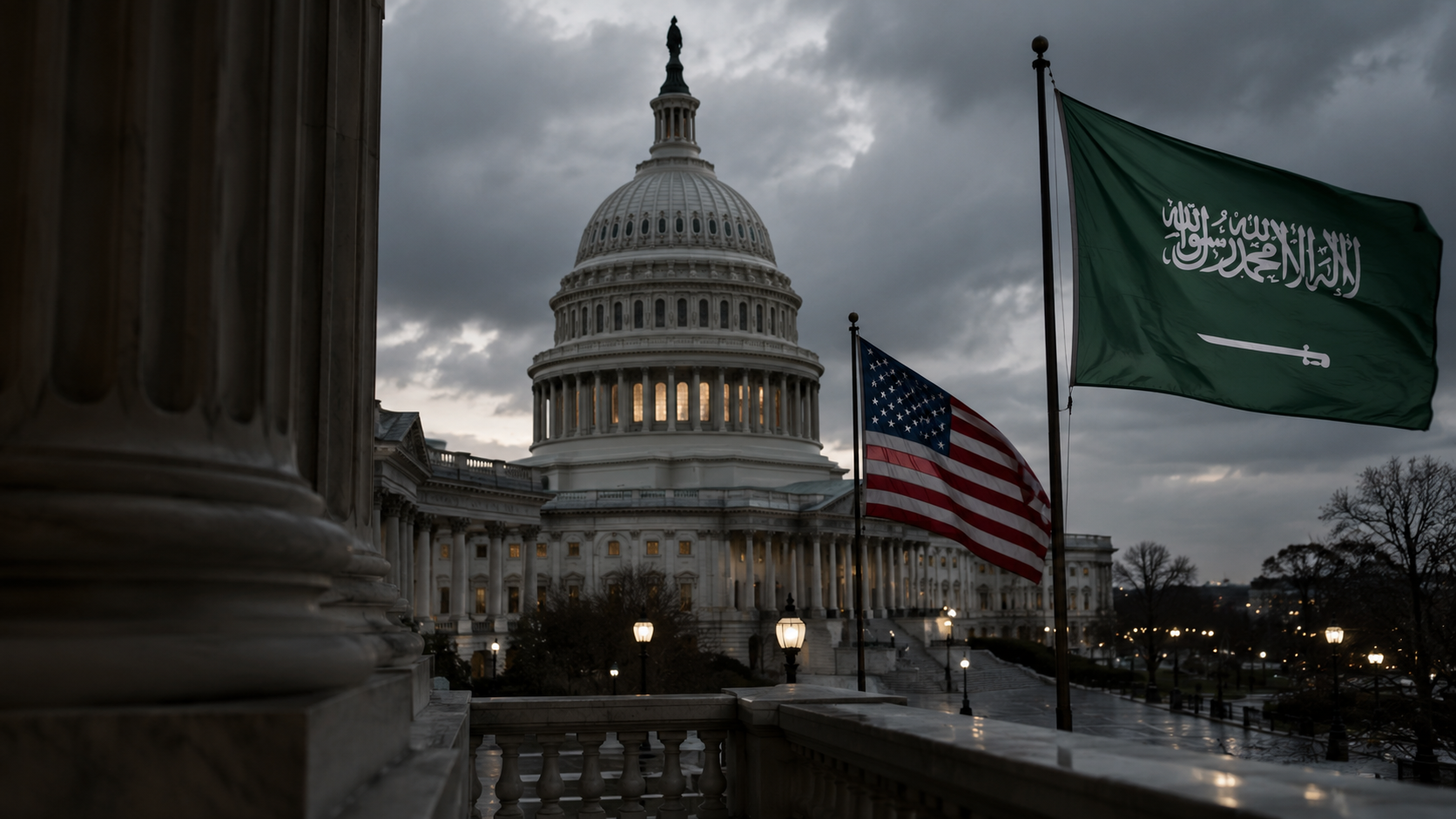
The Saudi nuclear deal is drawing early Democratic resistance in Congress before the Trump administration has formally sent lawmakers the pact.
The agreement announced Wednesday is designed to pull Washington and Riyadh closer while President Donald Trump seeks an end to the Iran war, according to the report. It also points toward billions in potential work for the US nuclear industry, though the available account does not identify specific companies or contract terms.
Congress has not seen text
The political fight is forming before the administration has taken the procedural step that would put the deal squarely before Congress. That timing matters because lawmakers in both parties are already questioning what the agreement permits, what safeguards apply and how much oversight outside inspectors would have.
Democrats are preparing to oppose the pact, but their ability to stop it looks limited if Republican support holds. The reported congressional math is demanding: opponents would need two-thirds support in both chambers to overcome a presidential veto.
Rep. Greg Meeks of New York, the senior Democrat on the House Foreign Affairs Committee, signaled that his party's objections were not cosmetic. "I’m very concerned," Meeks said before the announcement.
IAEA oversight becomes central concern
The most sensitive question is whether the agreement includes supervision by the International Atomic Energy Agency, the global nuclear watchdog. The account says lawmakers expect the pact to lack that oversight, a point likely to drive scrutiny once Congress receives formal notice.
For Democrats, the oversight issue gives the fight a security frame rather than a purely partisan one. Nuclear cooperation with Saudi Arabia touches energy policy, US influence in the Gulf and nonproliferation concerns, even before the commercial upside for American suppliers is considered.
Republicans have not sounded uniformly opposed. Sen. John Kennedy of Louisiana said he had initial reservations, but after reviewing the matter, he was not "uncomfortable."
Nuclear industry sees possible opening
The economic piece is central to the administration's pitch. A deal that channels Saudi nuclear development through American suppliers could support domestic engineering, reactor technology and fuel-cycle services if the final language creates bankable projects.
The available details do not show how the billions referenced in the report would be allocated. Without contractor names, financing terms or a project timetable, the potential benefit for any individual company remains impossible to size.
The wider sector may still treat the pact as an indicator of where US nuclear diplomacy is heading. If Washington uses civil nuclear agreements to deepen strategic ties, companies positioned for export work could gain a policy tailwind, while competitors from other supplier countries may face tougher US-backed bids.
Three paths shape the stakes
If the formal submission matches the early description and Republicans stay broadly aligned with Trump, the agreement is likely to move ahead despite Democratic objections. The macro effect would be closer US-Saudi economic coordination; the administration would gain a foreign-policy win; and the nuclear sector would see a clearer route into Saudi projects.
If oversight concerns split Republicans, the deal could face delay or renegotiation. That would blunt any near-term commercial boost, weaken the administration's claim of momentum in the Gulf and leave nuclear suppliers waiting for clearer rules before committing capital.
If the administration adds stronger inspection language before the process is complete, Democrats could still oppose the pact but lose some of the security argument. The global effect would be a more defensible nonproliferation signal; the administration would trade flexibility for legitimacy; and the industry would get a slower but more durable framework.
The unresolved questions are concrete: when Congress receives the text, whether IAEA monitoring is included, which companies could benefit and how many Republicans are willing to absorb criticism over nuclear safeguards. Until those answers arrive, the pact is a political asset for Trump and a test of congressional tolerance for risk.