Andy Burnham Leverages Manchester Devolution to Build Path to Downing Street
Andy Burnham is drawing renewed attention as speculation grows over his future role in national politics and whether he could seek the premiership.
Atlas Newsdesk ·
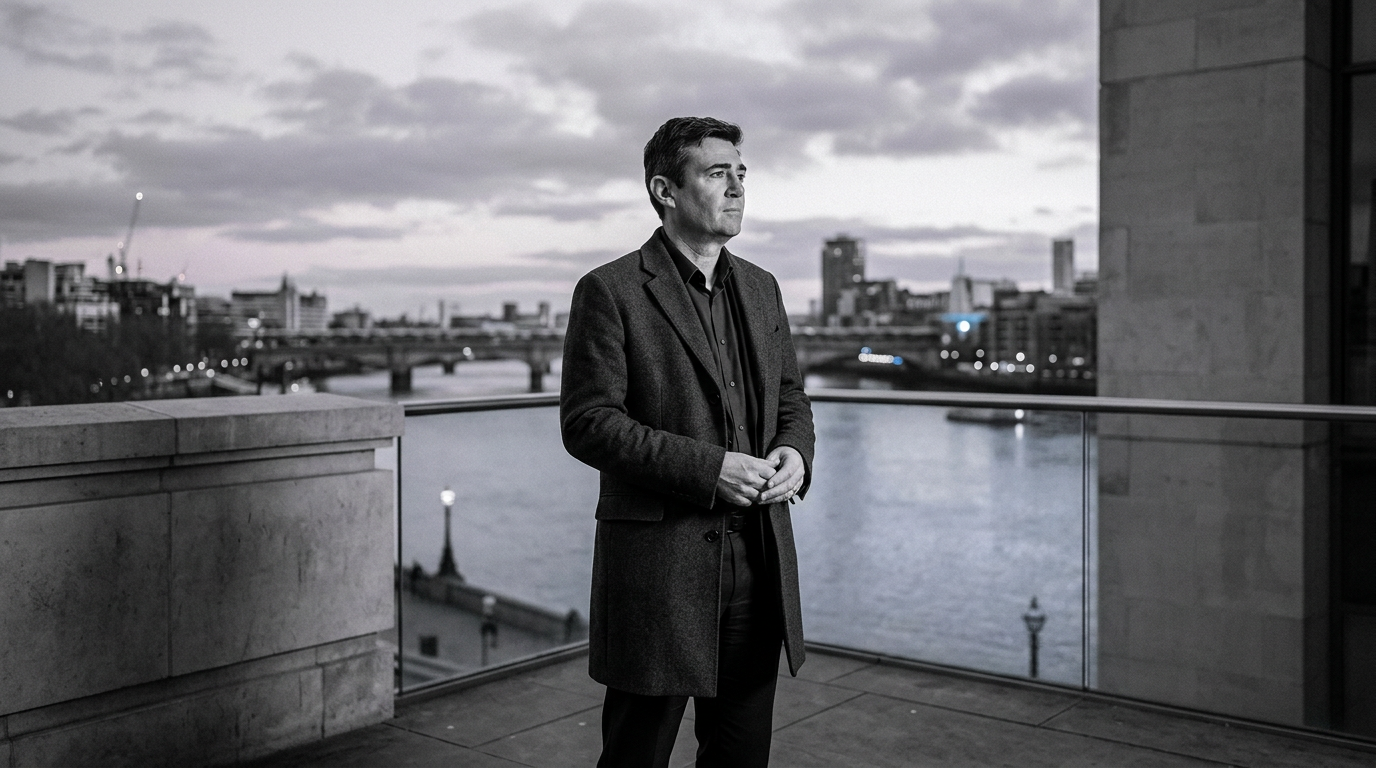
Andy Burnham is again in the political spotlight as public discussion widens over whether the Greater Manchester mayor could one day pursue the UK’s top job.
The renewed interest has been amplified by online trends and media attention, reviving questions about Burnham’s record, his appeal beyond the North West, and how realistic any path to Downing Street might be.
From Westminster minister to regional powerhouse
Burnham is best known nationally for two chapters of his career: his time in Parliament and his later move to devolved city-region leadership. The mayoralty has given him a visible platform with executive responsibility and a distinct political identity.
As mayor of Greater Manchester, Burnham has been closely associated with devolution, transport, housing, and public service coordination across one of England’s largest metropolitan areas. The role has also placed him at the centre of high-stakes negotiations with central government on funding and powers.
Mayoral leadership differs sharply from Westminster politics, with day-to-day delivery and local accountability often taking precedence over parliamentary messaging. Supporters argue this creates a “results-first” profile, while critics question how transferable it is to national government.
Why Burnham keeps returning to the PM conversation
Talk of Burnham as a potential prime minister typically reflects two dynamics: his name recognition and his perceived distance from factional Westminster disputes. In an era where mayors can shape national debates, the visibility of a city-region leader can resemble that of a senior cabinet figure.
Burnham’s public presence is strengthened by his ability to speak as a regional advocate, often positioning Greater Manchester as a test case for broader reforms. That approach can resonate with voters who want decision-making pushed away from Whitehall.
At the same time, national leadership requires a parliamentary route, party backing, and an ability to build coalitions across diverse constituencies. Any future move would depend on internal party calculations as much as public popularity.
Record, scrutiny, and the practical hurdles ahead
Speculation about the premiership inevitably leads to closer examination of governance outcomes. For a mayor, that scrutiny typically focuses on whether promises translated into measurable improvements, how budgets were managed, and whether delivery matched expectations.
Burnham’s supporters point to the political case for stronger local powers and to the mayoralty as a proof-of-concept for devolved leadership. They also highlight the value of a leader who can negotiate with government while remaining rooted in a specific community’s priorities.
Critics, by contrast, often argue that mayoral successes can be constrained by funding decisions made in London, making it difficult to separate local leadership from national fiscal choices. That tension can cut both ways: it may bolster claims for devolution, but it also complicates straightforward judgments about performance.
Beyond the policy record, the biggest practical obstacle is structural. A mayor is not automatically positioned for a swift transition to national leadership, and a move back to Westminster would require timing, a parliamentary seat, and a credible leadership rationale accepted by party colleagues.
For now, the key implication is that Burnham’s profile is expanding beyond Greater Manchester, keeping him in the frame whenever UK leadership conversations accelerate. The next signals to watch are whether he indicates interest in a return to Parliament and how party stakeholders respond to his rising national attention.