Trump ties Saudi nuclear deal to Israel recognition pledge
Trump said the Saudi nuclear deal requires Israel normalization and bars enrichment, complicating a pact aimed at expanding U.S. nuclear energy work.
Lauren Collins ·
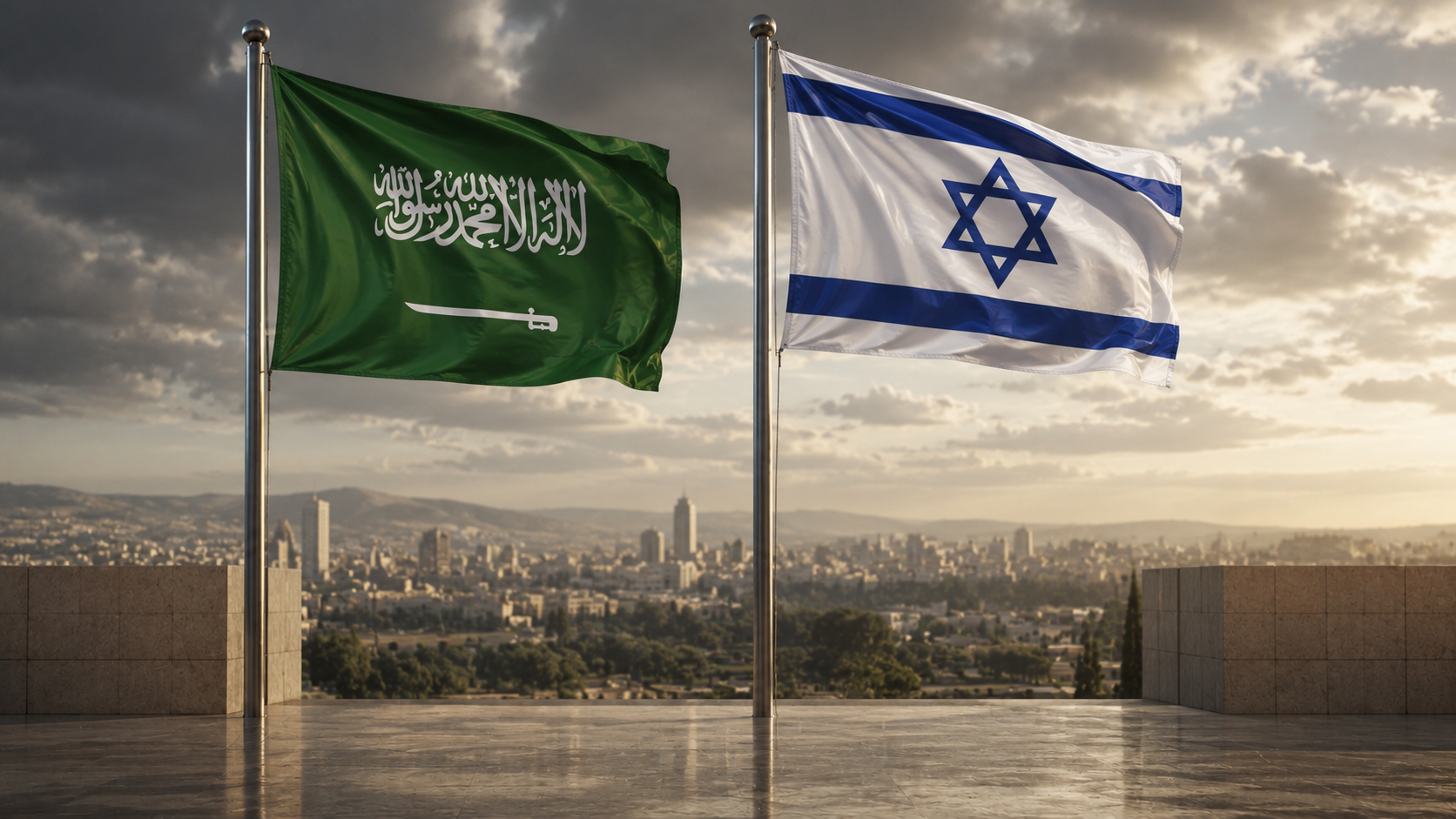
The Saudi nuclear deal now hinges on Israel normalization, after Trump said approval requires Riyadh joining the Abraham Accords. The condition complicates an agreement the administration had finalized one day earlier to expand U.S. involvement in Saudi civil nuclear energy.
Trump also said on Thursday that the pact would permit “no enrichment” of nuclear material, addressing one of the most sensitive questions around the deal. The agreement is meant to let American companies pursue nuclear energy development in Saudi Arabia, a market long sought by U.S. suppliers.
Trump adds an Abraham Accords test
In a social media post, Trump said the agreement “will be approved, but is totally subject to Saudi Arabia joining the very respected and successful Abraham Accords.” The Abraham Accords were his first-term initiative to secure formal recognition of Israel by Arab governments.
The new condition changes the political frame around a pact that had been presented through an energy lens. A U.S. Energy Department statement released Wednesday, when the agreement was finalized, did not mention Israel or the Abraham Accords, according to the source text.
Trump’s second message was aimed at the nuclear safeguards debate. “The United States is not opposed to Civil (Non-Enriched) Nuclear Facilities,” he said, drawing a line between power-generation projects and enrichment activity.
Enrichment question drives concern
Civil nuclear agreements can open commercial opportunities while raising proliferation questions, especially when uranium enrichment is left ambiguous. Enrichment can be used for reactor fuel, but higher levels can also move a state closer to weapons-grade material.
The source text says the full U.S.-Saudi agreement has not been made public. That gap matters because the exact legal guardrails, inspection provisions and fuel-cycle restrictions would determine how far U.S. companies can go and how much discretion Saudi Arabia retains.
For Washington, the commercial prize is tied to geopolitical management. The pact could help U.S. companies compete in Saudi energy infrastructure, but Trump’s statement suggests access now depends on a diplomatic concession that Riyadh has resisted.
Saudi position narrows the path
Saudi Arabia has said it will not normalize relations with Israel unless Israel accepts Palestinian statehood. The Israeli government has ruled out that condition, leaving the nuclear pact caught between a U.S. approval demand and two opposing regional positions.
The direct corporate impact is clearest for American nuclear developers and service providers, though no specific company is named in the source. If the agreement advances, those firms could gain a route into Saudi projects; if it stalls, contract pipelines and planning timetables would likely remain uncertain.
The wider industry effect depends on whether Washington can turn nuclear diplomacy into export activity without weakening nonproliferation standards. A strict no-enrichment model would reassure critics of nuclear technology transfer, but it could also limit Riyadh’s willingness to accept the terms.
Three conditional paths emerge
If Saudi Arabia accepts the Abraham Accords condition and enrichment remains barred, the global macro effect would be a tighter U.S.-Saudi-Israel alignment with energy cooperation as the commercial channel. U.S. nuclear suppliers would gain a clearer opening, and the industry would treat the deal as a template for exports tied to diplomatic normalization.
If Riyadh keeps its Palestinian statehood condition and Israel maintains its rejection, the agreement could sit in limbo despite being finalized. That would reduce near-term commercial visibility for American companies and signal to the nuclear sector that regional diplomacy can override signed energy frameworks.
If the agreement moves forward without the full text being disclosed, scrutiny is likely to focus on safeguards and the meaning of “no enrichment.” The open questions are specific: whether the pact contains binding restrictions, how compliance would be monitored, and whether Saudi Arabia accepts limits that other nuclear partners may use as precedent.