

Trump, Xi, and Putin to hold trilateral talks on Iran
President Trump is set to coordinate with Chinese and Russian leaders on a containment strategy for Iran’s regional military activities.
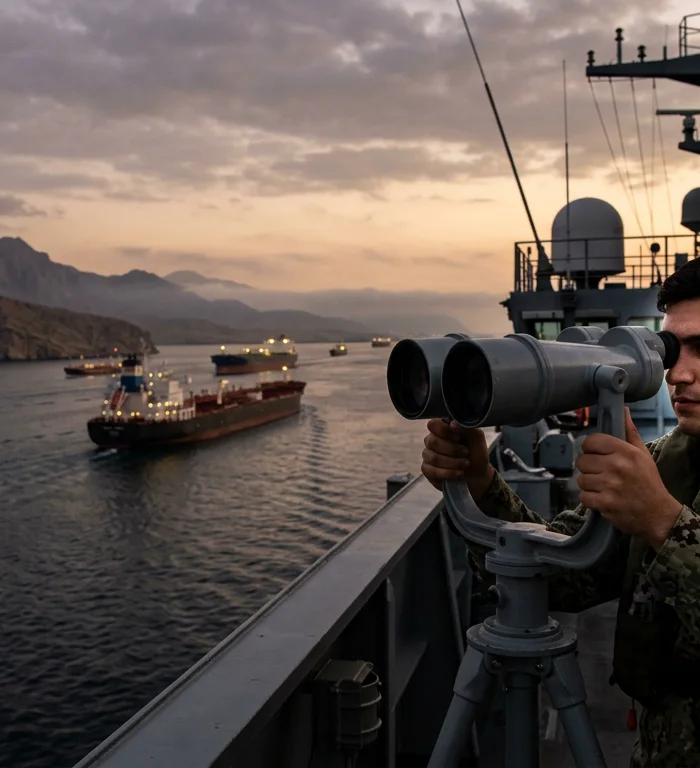
Diplomatic shift in Tehran containment
President Trump will convene a trilateral meeting with Chinese President Xi Jinping and Russian President Vladimir Putin to address the escalating situation regarding Iran. A US official confirmed the high-level engagement, marking a significant departure from established Western-led diplomatic frameworks regarding Middle Eastern security.
The meeting reflects an effort to align great power interests on Iranian regional behavior, specifically focusing on Tehran's proxy network and nuclear enrichment timeline. The inclusion of Beijing and Moscow suggests a pivot toward a multi-polar security architecture to manage regional volatility that has threatened global energy markets.
Regional security architecture changes
For decades, Gulf Cooperation Council states relied upon a US-led security umbrella to counterbalance Iranian influence. Recent diplomatic outreach between Riyadh and Tehran, mediated by Beijing, demonstrated the limitations of this traditional alignment as regional capitals seek pragmatic autonomy in an increasingly complex geopolitical environment.
The Iranian nuclear program, which currently operates outside the constraints of the 2015 Joint Comprehensive Plan of Action (JCPOA), remains the primary driver of international alarm. Previous attempts to restore or replace the multilateral framework have largely stalled, leading to this direct engagement between the leaders of the US, China, and Russia.
Market and alliance spillover risks
The success of these trilateral talks carries consequences for the stability of maritime chokepoints, including the Strait of Hormuz and the Bab al-Mandab. Any perceived consensus among the three powers could reduce the likelihood of kinetic escalation, lowering risk premiums in crude oil futures.
President Trump
However, Gulf monarchies now face the risk of a deal negotiated by external powers that may not account for their specific national security requirements. This uncertainty is forcing a delicate recalibration in diplomatic posturing, as regional states attempt to maintain access to both Western security assets and the growing trade influence of Beijing and Moscow.
Diplomatic outcomes to monitor
The international community will assess the summit’s efficacy based on the issuance of a coordinated framework for constraining Iranian proxy activities and nuclear proliferation.
If the participants reach a substantive agreement by December 31, 2026, it could initiate a period of regional de-escalation; conversely, a hollow communiqué would likely signal a failure of major power coordination, leaving individual states to revert to unilateral security measures.
More stories
- Germans oppose Ukraine aid as poll shows support slipping
- Kim Jong-un receives 10 envoys after constitutional shift
- Ukraine claims Libya strike sinks Russian naval corvette
- COP31 climate talks collapse over fossil fuels and funds
- Russian military faces 1,087 recorded suicides in Ukraine war
- US faces China, Russia in Africa minerals contest
- North Korea changes flag as Kim reshapes national symbols
- Nvidia names Kress interim CEO after Huang exits in scandal
- Ukraine and Russia face fake nuclear alerts after app hacks
- Iran faces renewed strikes after IRGC's 100% readiness claim
Latest news
- Trump prepares tariffs on China and other major exporters
- New-car buyers pay record average $50,087 in October
- Banks face ECB reserve debate over liquidity and profits
- Investors see Anthropic debut gains fade below $83 a share
- Iraq orders federal control over Kurdish-area oilfields
- Nvidia shares retreat as AI rally cools before PCE data
- Macy’s parade faces balloon limits as storm winds approach