Trump says US-Iran ceasefire is over, claims Tehran asked to resume talks
Donald Trump declared a ceasefire with Iran “over,” claiming Tehran seeks talks. This move risks potential miscalculation across the Gulf region.
Omar Farouk ·
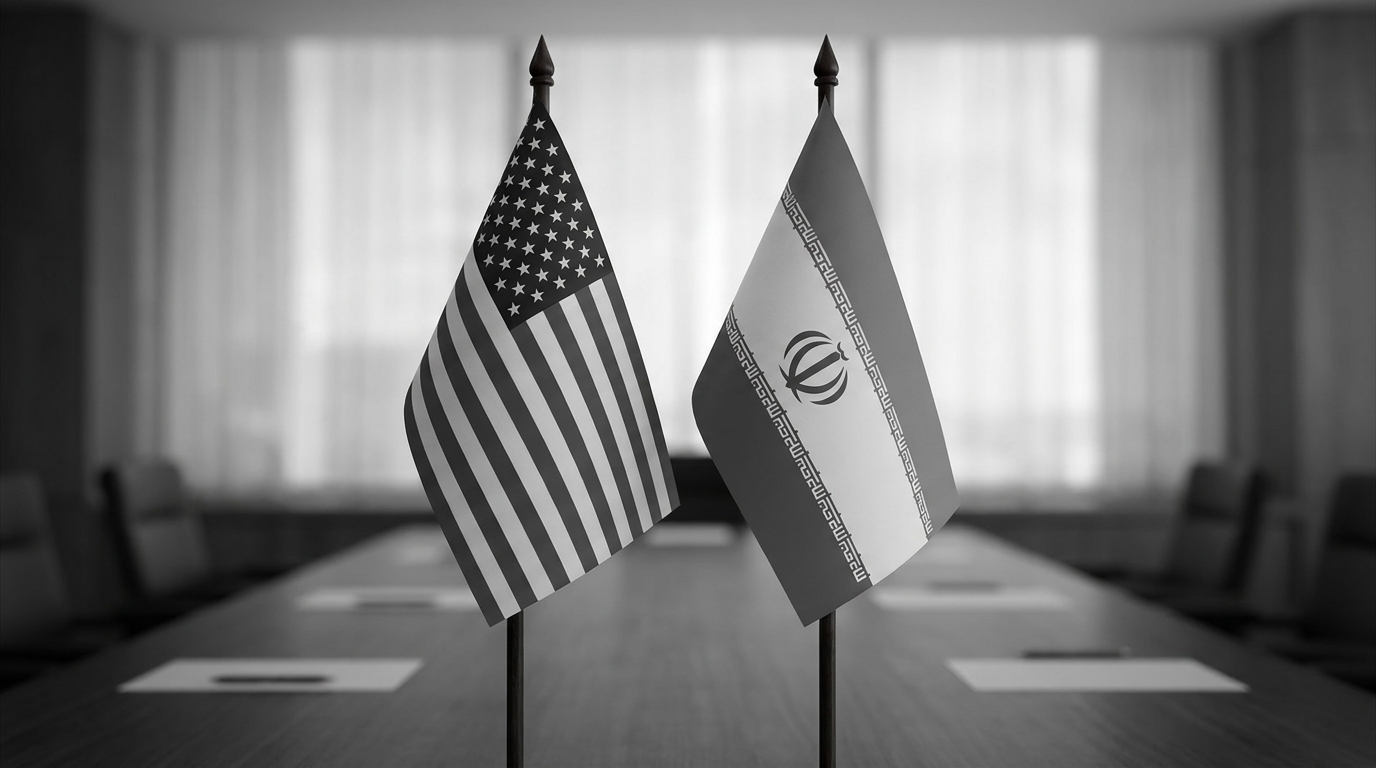
# Trump says US-Iran ceasefire is over, claims Tehran asked to resume talks
Donald Trump said the United States has ended what he described as a ceasefire with Iran, while also claiming Tehran has asked to continue negotiations. The statement, which did not include corroboration from Iranian officials in the provided signal, injects new uncertainty into already fragile US-Iran diplomacy and the region’s deterrence dynamics.
Since the United States withdrew from the 2015
Since the United States withdrew from the 2015 Joint Comprehensive Plan of Action (JCPOA) in 2018, contacts between Washington and Tehran have largely shifted to indirect channels, often mediated by regional states or conducted through intermediaries. The JCPOA is the nuclear agreement under which Iran accepted restrictions and monitoring in exchange for sanctions relief; after the US exit, Iran gradually reduced compliance, while Washington expanded sanctions.
Trump’s use of the term “ceasefire” is unusual in the US-Iran context, which typically features deterrence signaling, limited military exchanges, and de-escalation understandings rather than a formally acknowledged bilateral truce. In practice, any calm has often depended on parallel restraint by Iran-aligned groups and US partners in places where the Islamic Revolutionary Guard Corps (IRGC) exerts influence, including Iraq, Syria, and Yemen; the IRGC is an elite Iranian military force that Iran says defends the country and its regional interests.
If the US side publicly declares a “ceasefire” over, the immediate regional question is whether Iran interprets it as a change in US rules of engagement or merely political messaging. That ambiguity matters because escalation pathways in the Gulf rarely require direct state-to-state decisions; they can emerge from actions by IRGC-linked networks or from responses by US forces and partners that Tehran may not fully control.
Any deterioration can quickly touch energy and shipping
The spillover risk is not confined to diplomacy. Any deterioration can quickly touch energy and shipping calculations, especially around the Strait of Hormuz, a strategic chokepoint for Gulf oil flows, and the Bab al-Mandab, which connects the Red Sea to the Gulf of Aden and has been central to recent maritime security concerns tied to Yemen’s Houthis. Even without a major confrontation, sharper rhetoric can heighten insurance costs, complicate naval deconfliction, and widen the gap between public positions and quiet backchanneling.
By 2024-08-30, look for on-the-record statements from Iranian officials that either acknowledge or deny Trump’s claim that a ceasefire existed and is now “OVER,” and whether Iran “asked” to continue talks. If Iranian officials directly address the claim, it will clarify whether Tehran sees a diplomatic track still open or is preparing for a higher-friction posture; if both sides remain publicly vague, the lack of clarity raises the odds that proxy activity, deterrence moves, or maritime incidents are misread as deliberate escalation.