Turkey S-400 talks seek new path to F-35 program access
Turkey is seeking Russian consent to move its S-400 systems, a step aimed at reopening talks over US-made F-35 fighter jets.
Lauren Collins ·
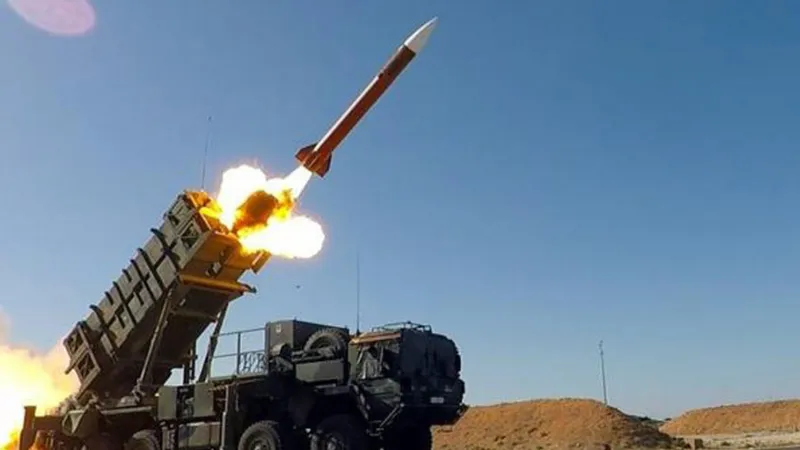
Turkey S-400 talks with Russia could reshape Ankara’s bid to regain access to F-35 jets, according to Turkish officials.
Turkey has asked Moscow to allow the Russian-made air defense systems to be transferred to a third country, Turkish officials said, describing private discussions that began in recent weeks. The move is intended to remove the main barrier Washington has cited in blocking Turkey from the F-35 program.
The request follows an earlier idea from President Recep Tayyip Erdogan to return the systems to Russia, which the officials said did not gain momentum. A third-country transfer may face the same problem in Washington, where US senators told reporters this week that such a move would not necessarily resolve American security objections.
Ankara tests a third-country route
The talks with Russia started before a NATO leaders summit in Ankara this week, when President Donald Trump indicated he could consider reversing the ban he imposed on Turkish purchases of F-35 fighter jets. Trump later said on Wednesday that he had not reached a final decision on whether Turkey should be allowed to buy Lockheed Martin Corp. aircraft.
"I haven’t totally made up my mind, but my inclination is to say, look, he’s done everything, he’s helped us in so many different ways," Trump said of Erdogan at a news conference after the NATO summit. His comments gave Ankara a narrow diplomatic opening, but they did not erase the legal and security disputes attached to the Russian equipment.
Turkey also floated a separate compromise under which it would keep the S-400 while giving the US oversight of its operation, according to the Turkish officials. That proposal did not gain support from US officials, who have long argued that the system could collect data endangering the stealth profile of the F-35.
F-35 ban traces to 2019
Turkey was barred from acquiring the fighter jets after it received the S-400 systems from Russia in 2019. Washington’s position has been that Ankara must give up the missile batteries before it can return to the F-35 program.
The systems remain in Turkey’s inventory, but Ankara is not using them, Turkish officials said. If Russia approves the latest request, the batteries would be moved out of Turkey to another country, though officials declined to identify any possible destination.
The dispute grew out of a period of strain between Turkey and its NATO allies that began during Barack Obama’s presidency and deepened after the failed coup attempt against Erdogan in 2016. Turkey was also trying to buy US-made Patriot missile systems at the time, but Ankara argued that Washington was not committed to completing a deal.
Russian consent becomes the hinge
Russia has not yet answered Turkey’s request, the officials said. Turkish Foreign Minister Hakan Fidan raised the matter during his June visit to Kazan, where he met President Vladimir Putin, according to the officials.
Kremlin spokesman Dmitry Peskov told Russian media on Friday that the issue is "extremely sensitive." Russia "had contacts with the Turkish side on this matter, and we’ll continue those contacts," he said, without giving further details.
Turkey’s foreign and defense ministries declined to comment. The lack of public confirmation reflects the risks for Ankara: it is trying to preserve a working relationship with Moscow while testing whether Washington will accept a settlement that removes the S-400 from Turkish soil.
If Russia consents and the US accepts the transfer as sufficient, Turkey could move closer to rejoining the F-35 track, while Lockheed Martin Corp. would regain a potential customer blocked by a sanctions-linked dispute. The wider defense sector would read that path as a sign that weapons procurement conflicts inside NATO can still be settled through negotiated disposal of incompatible systems.
If Russia refuses, the S-400 issue would remain frozen and Turkey’s F-35 prospects would stay constrained by the same security objections that followed the 2019 delivery. If Moscow agrees but US lawmakers reject the move, Ankara would have removed one physical problem without satisfying the political test in Washington, leaving sanctions relief and fighter-jet access uncertain.