Trump: ‘We Are Pirates’ in Hormuz Blockade
President Trump called U.S. seizures of Iran-linked oil tankers "pirates," escalating maritime confrontation over sanctions, shipping routes, and crude flows.
Lauren Collins ·
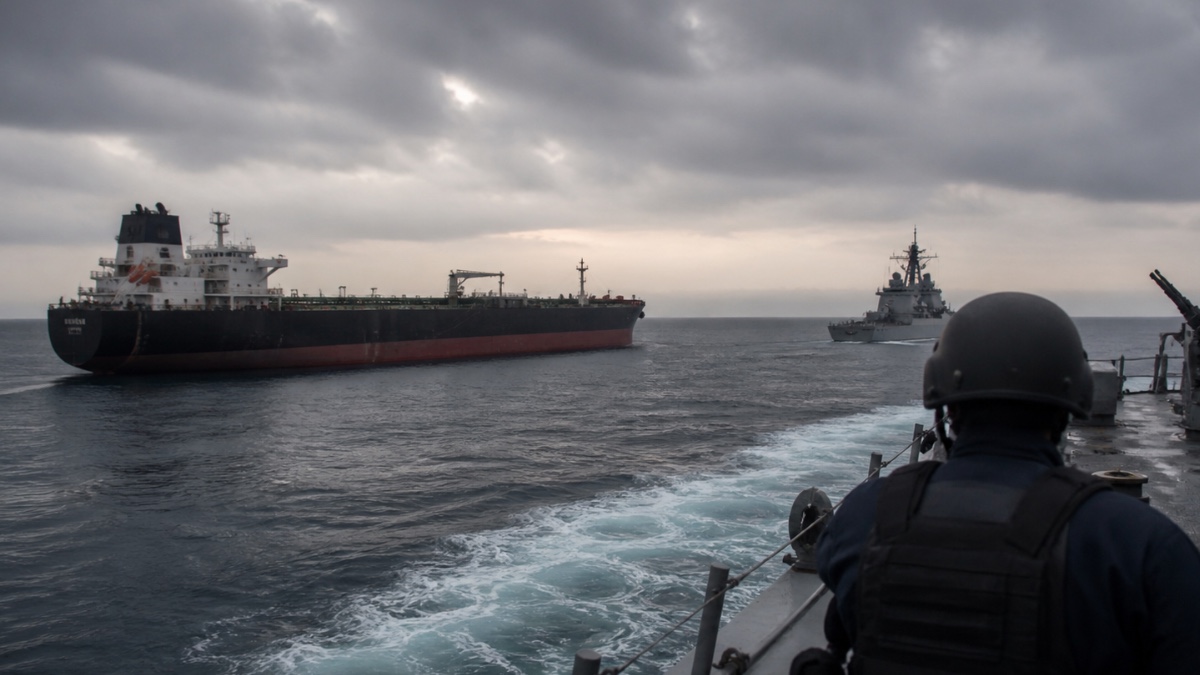
President Donald Trump described U.S. operations against Iran-linked oil shipments in unusually blunt terms, saying American forces were acting like “pirates” as they seized vessels, cargo and crude. Speaking at a rally in Florida, Trump said the U.S. had landed on ships and taken control of their oil, calling the operation profitable and warning that Washington was “not playing games.” The line gave Tehran a political opening after days of accusing the U.S. of unlawful seizures at sea. Recent live reporting also described Trump as likening U.S. naval actions near Iran to piracy.
Two Tankers Sharpen the Clash
The latest dispute followed U.S. action against two tankers accused of moving Iranian crude. Iranian officials said the vessels were carrying oil tied to Iran and condemned the seizures as a violation of international law. Reports identified the ships as the M/T Majestic and M/T Tifani, with one account saying they carried a combined 3.8 million barrels of Iranian oil. Washington has framed such actions as sanctions enforcement, while Tehran says U.S. domestic warrants cannot justify taking cargo on the high seas.
Baghaei Reaches for Piracy Law
Iranian Foreign Ministry spokesperson Esmaeil Baghaei called the seizures “piracy and armed robbery,” arguing that the U.S. was trying to legalize maritime theft through its own courts. His language closely mirrored Trump’s own rally boast, turning the president’s “we are pirates” remark into a diplomatic weapon for Tehran. Iran’s position is that the ships were targeted outside any lawful U.S. authority. The U.S. position is that Iranian oil networks remain subject to sanctions and seizure when they move through global shipping channels.
Hormuz Makes it Global
The fight matters because it is tied to the Strait of Hormuz, one of the world’s most important energy chokepoints. The U.S. has been enforcing a blockade connected to Iranian ports, with reports saying more than 15 American warships were positioned to support the campaign. WSJ reporting also said the U.S. stopped an Iranian-flagged oil tanker as the blockade continued near the Strait. For tanker operators, the risk is no longer limited to price swings; it now includes boarding, seizure, rerouting and insurance pressure.
Sanctions Move Onto the Water
The seizures show how the Iran sanctions fight has shifted from banks, brokers and paperwork to naval enforcement. That creates a more visible and dangerous form of pressure because ships are physical targets, not just entries in a compliance database. It also complicates the work of traders, insurers and port authorities trying to determine whether a vessel has Iranian links. Reports that Iran-connected “dark fleet” vessels have still slipped through the blockade suggest the U.S. campaign may be costly and incomplete.
Oil Markets Price the Danger
The broader risk is that each seizure adds a premium to energy moving through the Gulf and surrounding routes. The Strait of Hormuz connects Gulf producers to buyers in Asia and Europe, so a prolonged confrontation can affect freight rates, fuel prices and inflation expectations far beyond Iran. Shipping disruptions around the region have already drawn attention from supply-chain analysts, with vessels clustering near major Gulf ports as traffic patterns adjust. A blockade that spreads into the Indian Ocean could widen the market impact beyond the Gulf itself.
Courts, Ships and Retaliation
The next test is whether Washington can keep presenting the operation as lawful sanctions enforcement while Trump’s own words hand Tehran a simpler accusation: piracy. Iran could respond through diplomacy, legal complaints, tanker harassment or further pressure around Hormuz. The uncertainty for markets is that both sides may believe escalation works. For the U.S., ship seizures demonstrate leverage; for Iran, every boarding operation can be used to argue that Washington is threatening maritime security.