Rubio Fast-Tracks $9 Billion in Middle East Arms Sales
Lauren Collins ·
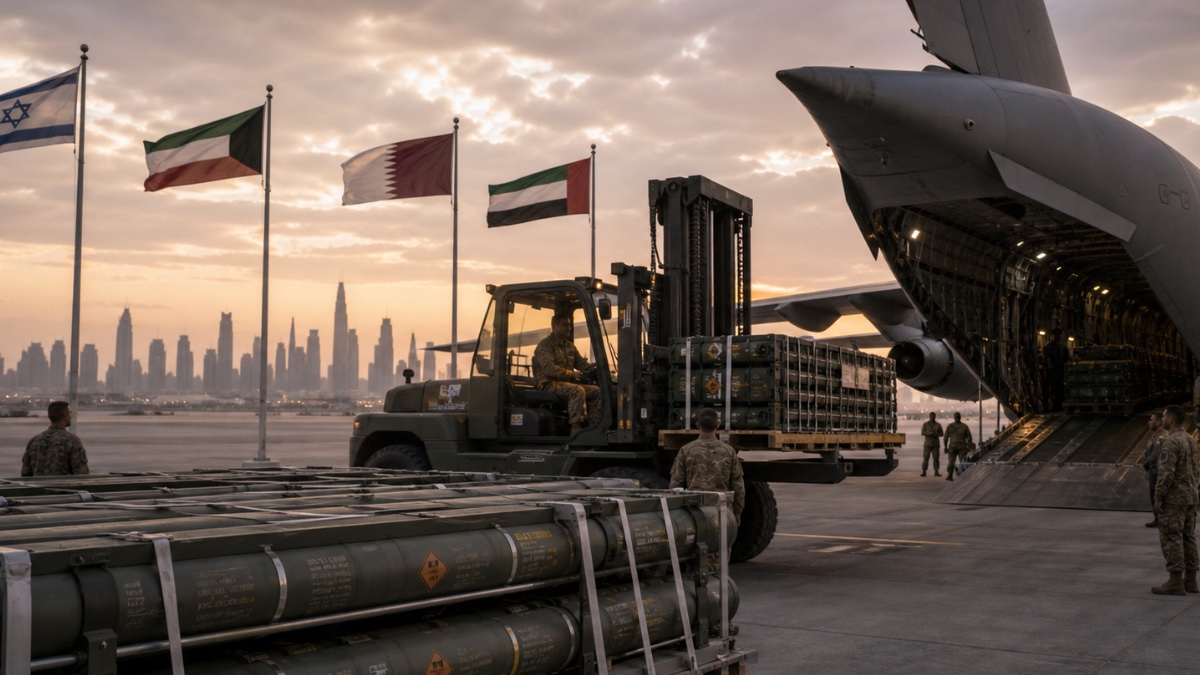
Marco Rubio, the U.S. secretary of state, has approved nearly $9 billion in expedited weapons transfers to Israel, Kuwait, Qatar and the United Arab Emirates, using emergency authority to bypass the standard congressional review process. The approvals cover air defense interceptors, battlefield command systems and laser-guided munitions at a time when the ceasefire tied to the Iran war appears increasingly unstable. The State Department said Rubio determined that urgent conditions justified immediate action and that the transfers serve U.S. national security interests.
Four Buyers, Several Systems
The largest package goes to Qatar, which was cleared for Patriot interceptors and related equipment worth up to $4.01 billion. Kuwait received approval for an Integrated Battle Command System package valued at as much as $2.5 billion, with Northrop Grumman, RTX and Lockheed Martin listed as main contractors. Israel and Qatar were each cleared for up to 10,000 APKWS-II precision-guided rocket rounds, with each package carrying a ceiling of $992.4 million and BAE Systems tied to the weapons. The UAE received approval for a smaller APKWS package valued at up to $147.6 million.
Iran War Changes the Timetable
The urgency reflects the security environment that followed the Feb. 28 start of U.S. and Israeli strikes against Iran. After the conflict began, several governments in the region faced Iranian drone and missile attacks, increasing demand for interceptors and integrated defenses. The expedited approvals suggest Washington sees the risk of renewed aerial strikes as immediate enough to move weapons decisions faster than the usual oversight calendar allows.
Congress Gets Less Time
Ordinarily, major foreign military sales are reviewed by Congress before contracts are finalized, with lawmakers given time to scrutinize the proposed buyer, equipment and strategic rationale. In these cases, Rubio used an emergency finding to short-circuit that process. The announced values are ceilings rather than final contract prices, because quantities, configurations and vendor terms are usually settled later between foreign customers and defense companies. That means the political decision has moved faster than the commercial details.
Defense Firms Gain Visibility
The approvals give several major U.S. defense contractors a clearer path to regional demand. Lockheed Martin and RTX are central to the Qatar Patriot package, while Northrop Grumman joins them on Kuwait’s command-and-control purchase. BAE Systems is tied to the APKWS-II rounds for Israel and Qatar. The mix shows that Middle East demand is not limited to one category of weapon: governments are seeking interceptors, precision-guided munitions and systems that connect sensors, launchers and commanders under pressure.
Hormuz Raises the Stakes
The security push is unfolding alongside a wider economic shock from the conflict. The Strait of Hormuz has been shut since the early phase of the war, disrupting one of the world’s most important energy corridors and adding pressure to oil markets, shipping routes and Gulf logistics. For Washington, faster arms transfers serve two purposes at once: reinforcing allied defenses and signaling that the U.S. is preparing for further escalation even as diplomacy with Tehran remains stalled.
Ceasefire Risk Remains
The main uncertainty is whether these weapons arrive in time to change regional calculations. Emergency approvals can speed the legal process, but production capacity, delivery schedules and customer negotiations still affect when systems reach the field. The political risk is also clear: bypassing Congress may draw scrutiny if the conflict expands or if lawmakers argue the administration is limiting oversight of large weapons transfers. The next test is whether the ceasefire holds long enough for these approvals to remain a deterrent rather than become part of another round of escalation.