U.S. Trump threat review follows Israel intelligence claim
Israel’s new Trump threat intelligence claim puts U.S.-Iran tensions and security coordination with Washington back under scrutiny.
Lauren Collins ·
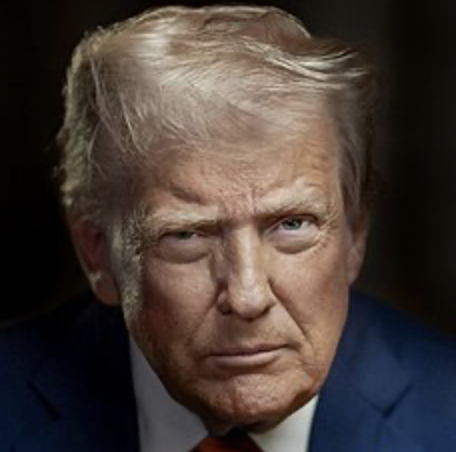
A new Trump threat claim from Israel has put U.S.-Iran security tensions back in focus. Washington has not publicly confirmed the intelligence.
Israel shared intelligence with the U.S. that it said pointed to a new Iranian plan to kill President Trump, according to people familiar with the matter. The claim, if accepted by U.S. agencies as credible, would add a personal security dimension to an already strained confrontation between Washington and Tehran.
Israel sends Washington new intelligence
The information was presented by Israel to U.S. counterparts, but the public record remains limited. The account rests on people familiar with the matter rather than an official U.S. finding released for public review.
The Israeli embassy in Washington declined to comment on the matter. Iran’s Mission to the U.N. did not immediately respond to a request for comment, leaving the central allegation unanswered by Tehran in the material provided.
The White House did not issue a separate detailed statement in the account. It instead pointed to remarks Trump made in Ankara, Turkey, where he had referred to threats against his life.
Iran retaliation claims frame the risk
The alleged plot sits against years of Iranian threats of retaliation tied to Trump’s first term. Iran has openly vowed revenge over one of its top generals from that period, making any new allegation involving Trump unusually sensitive for U.S. security agencies.
That history matters because threats involving former or sitting leaders can move quickly from intelligence channels into diplomatic pressure. Even without a public confirmation from Washington, Israel’s decision to share the material raises the likelihood of closer scrutiny inside U.S. national security circles.
The source material also points to a separate dispute over the Strait of Hormuz, described as turning on a clause in Trump’s memorandum of understanding with Iran. The waterway is a strategic chokepoint, and even a legal or diplomatic fight over its terms can sharpen the risk premium around U.S.-Iran contacts.
Security agencies face a credibility test
The immediate question is how U.S. officials evaluate the intelligence. If they judge the material credible, security protocols around Trump could tighten, diplomatic messaging toward Iran could harden, and Israel’s role as an intelligence partner would gain fresh weight in Washington.
If U.S. officials treat the claim as unproven or incomplete, the effect would be different. The administration could avoid public escalation while continuing private collection and coordination, which would limit market and diplomatic fallout but leave the allegation unresolved.
For Israel, the company-level equivalent is the state’s intelligence apparatus rather than a corporation. Its standing with Washington depends partly on whether the material proves actionable, because shared intelligence gains force when it leads to verified risk assessments or preventive steps.
For the wider security sector, the case reinforces demand for protective intelligence, counterintelligence coordination and threat monitoring around senior political figures. It also shows how national security claims can spread across several policy lanes at once: personal protection, Iran policy, Israel-U.S. coordination and maritime diplomacy.
The macro effect remains conditional. If the allegation feeds a broader U.S.-Iran escalation, energy traders and governments would focus more closely on the Strait of Hormuz dispute and any sign of disruption risk. If the matter stays inside intelligence channels, the global impact may be contained to diplomatic signaling and security planning.
The named uncertainty is verification. The public account does not include the evidence Israel supplied, an official U.S. assessment of its reliability, or a response from Iran, so the next step is less about rhetoric than about whether any government places formal weight behind the claim.