U.S. Administration Integrates AI Governance with Intelligence and Defense Sectors
The U.S. administration is consolidating power by aligning federal AI policy with intelligence agencies, military objectives, and private sector corporate…
Atlas Newsdesk ·
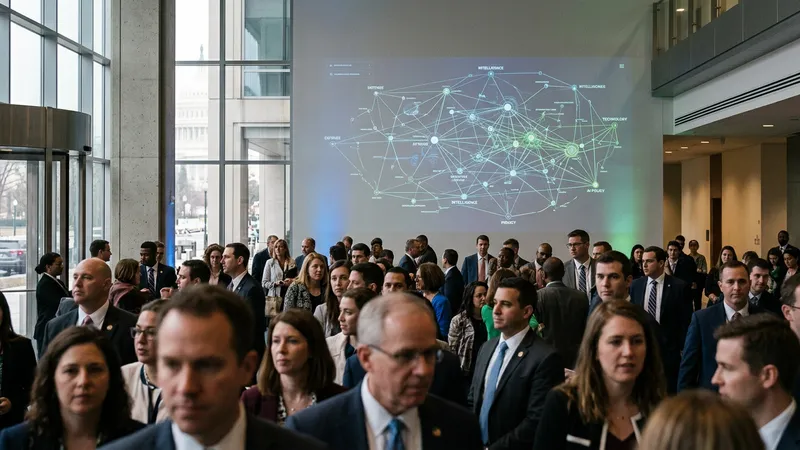
The U.S. administration has formalized a strategic alignment between federal executive power and major artificial intelligence corporations. A non-binding agreement signed by the President and several industry CEOs establishes a framework for industry self-regulation, effectively delegating policy drafting to private sector stakeholders. This shift centralizes influence within a small group of technology firms, raising concerns regarding the transparency of executive governance and the entrenchment of corporate interests in federal policy.
Simultaneously, the administration has moved to integrate AI development with national security and military operations. The appointment of the Director of National Intelligence as the administration’s AI czar signals a transition toward prioritizing AI-enabled surveillance and intelligence gathering. This dual-hatted role suggests that global AI policy will increasingly be dictated by intelligence requirements rather than commercial or civil standards.
Furthermore, the Department of Defense has launched a task force to accelerate the integration of AI into military infrastructure, specifically targeting battlefield dominance. While these initiatives aim to consolidate technological power, they diverge from current labor market trends, where job growth remains concentrated in human-centric sectors like healthcare rather than the automated technology industry. This creates a potential disconnect between national economic policy and actual employment drivers.