Trump dividend pledge puts $5,000 midterm bet in play now
President Trump proposed a $5,000 Trump dividend for adult US citizens if Republicans keep Congress, without detailing funding or enforcement.
Lauren Collins ·
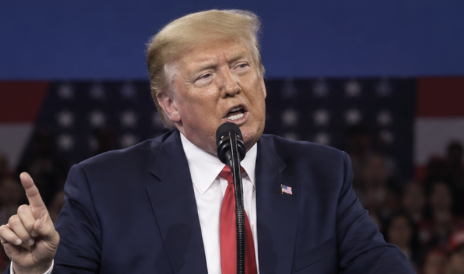
Trump dividend proposal would give adult US citizens $5,000 if Republicans keep Congress, but President Trump offered no funding plan.
Dallas pledge sets terms
President Trump made the offer at the Republican midterm convention in Dallas, tying the payment to his party keeping the House and Senate in November. He gave the pledge a campaign label in the hall: "It will be called the Trump dividend," and added, "Now all we have to do is win."
The proposal turns a midterm appeal into a conditional promise of cash for adult US citizens. Trump did not say whether the payment would be one time, when it would be sent, or how eligibility would be verified beyond citizenship and adulthood.
The size of the pledge is the central fact: $5,000 for each eligible adult, against no disclosed total cost. Without an official estimate of the eligible population or an administration financing plan, the fiscal scale of the program remains unstated.
$5,000 checks need Congress
Any payment program would require approval from Congress, making the pledge dependent on both the election result and the later budget process. That gives House and Senate candidates a direct stake in whether the proposal can move from convention line to legislation.
Trump also said the money would have to be spent in the US, but he did not explain how that condition would be enforced. If Congress were asked to write such a rule, lawmakers would have to decide whether banks, retailers, payment processors, or federal agencies would police the restriction.
The budget setting would be difficult. The US deficit is already weighing on borrowing costs, and a new cash-payment program would put the financing question at the center of any congressional debate over the pledge.
House race narrows route
The political context is less favorable for the president's party than the convention framing suggested. Midterm elections often give the party outside the White House a chance to gain seats, and nonpartisan political analysts give Democrats an edge in the House while rating Senate control as a toss up.
For Republicans, the offer supplies a simple campaign argument: keep both chambers, and voters could receive a direct payment. For Democrats, the absence of a funding plan creates an opening to argue that the proposal shifts costs onto the federal balance sheet without explaining the trade-offs.
November outcomes shape dividend
If Republicans hold the House and Senate, the White House could ask Congress to authorize the checks, setting up a fight over deficit impact, eligibility and enforcement. The macro effect would run through federal borrowing needs; the political effect would test whether Republicans can convert a rally promise into a bill.
If Democrats win the House or the Senate, the proposal would face a new veto point before any money could be appropriated. In that path, the global macro effect would be more limited because no new federal outlay would be approved, while the issue could remain a Republican campaign claim.
If Congress is narrowly divided, lawmakers could try to shrink the payment, attach offsets, or define a narrower spending rule. The main unresolved questions are the funding source, the enforcement mechanism, and whether voters view a conditional $5,000 promise as credible before November.