Canada tariffs hit $27.6 billion in US goods Tuesday night
Canada tariffs on $27.6 billion of US goods take effect after midnight Tuesday, deepening a trade dispute with Washington.
Atlas Newsdesk ·
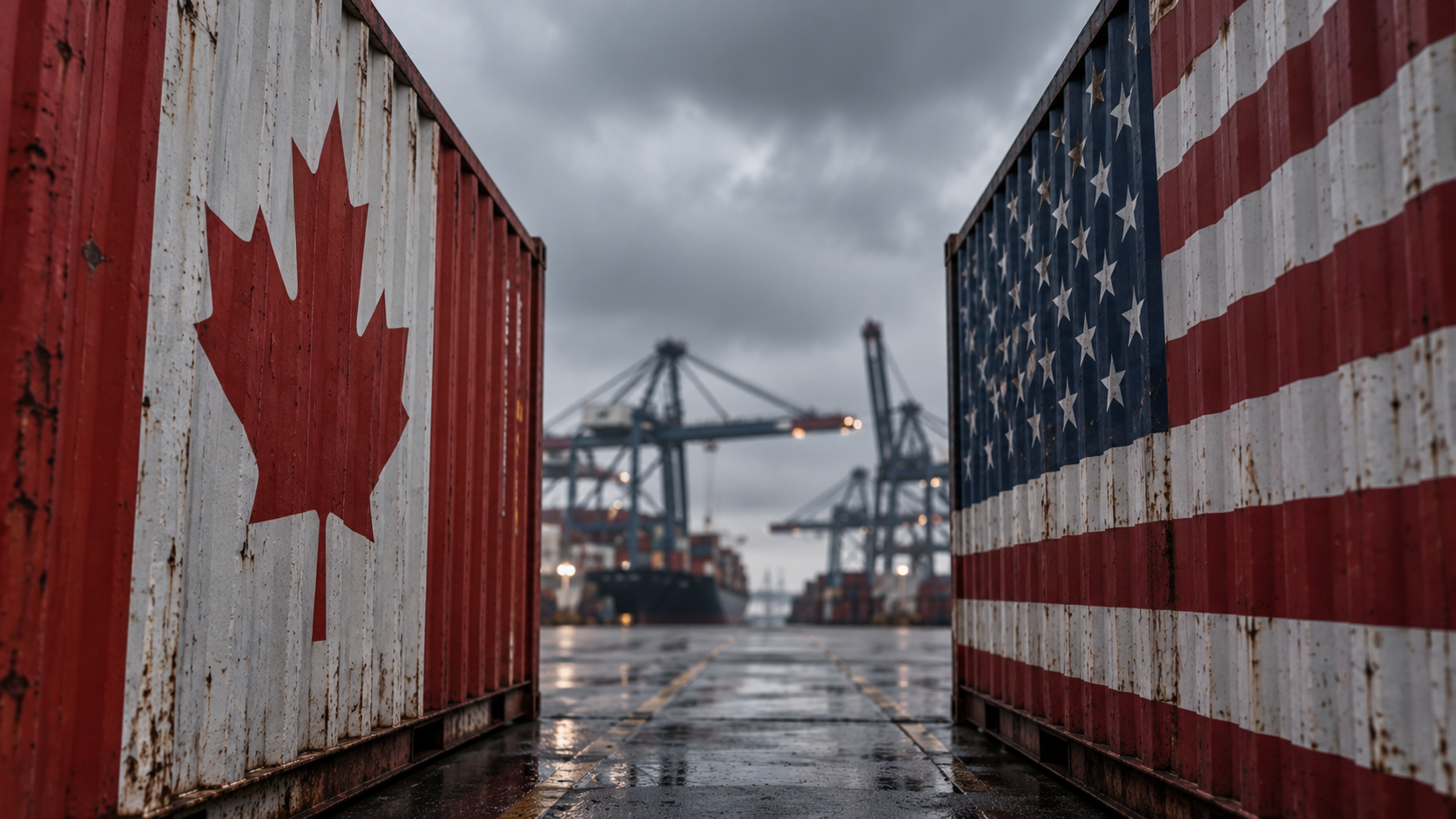
Canada tariffs on $27.6 billion of US goods take effect after midnight Tuesday, deepening a dispute with Washington.
The White House has said it will answer Ottawa with additional steps, including the possible exclusion of certain Canadian goods. President Trump on Monday also threatened to block sales by a Montreal aircraft manufacturer, a move that could potentially cut its customer base by half.
Midnight tariff deadline
The Canadian measures mark a direct response to US trade action and put two closely linked economies into a more formal tariff exchange. No negotiations are currently scheduled, leaving companies exposed to policy decisions that can change prices, contracts and supply routes with little notice.
The $27.6 billion figure gives the dispute a clear commercial scale, though the source material did not identify the full product list or the tariff rates by category. For importers, the mechanism is straightforward: covered US goods entering Canada would face higher border costs once the measures begin.
Tariffs do not fall evenly across an economy. The first pressure point is usually the importer, but costs can move through distributors, retailers and customers depending on contract terms, inventory levels and the availability of substitutes.
Montreal plane maker enters dispute
Trump’s threat against the Montreal aircraft producer moves the conflict beyond a broad goods list and toward a named industrial target. The warning matters because aircraft manufacturing depends on long sales cycles, certification rules and access to large export markets.
If a US restriction were imposed, the manufacturer would face a direct market-access problem rather than only higher costs on inputs. That would put sales planning, customer negotiations and financing assumptions under pressure at the same time.
The wider aerospace sector would be watching the mechanism more than the rhetoric. A ban on selected goods or a restriction on aircraft sales would signal that the White House is willing to use market access as a bargaining tool, not just tariffs at the border.
No talks on calendar
The absence of scheduled negotiations is the clearest near-term risk. Canada and the US have long managed trade disputes through formal channels, but the current standoff leaves no visible process for suspending, narrowing or delaying the measures before they start.
That gap matters for companies whose supply chains cross the border multiple times before a finished product reaches a buyer. A tariff on one shipment can become a cost problem for several firms if parts, packaging, assembly or distribution are split between the two countries.
If both governments hold their current positions, the macro effect would be a drag on North American trade confidence through higher policy uncertainty and border costs. For the Montreal plane maker, the risk would center on customer access; for the wider industry, the concern would be whether targeted restrictions become a normal tool in the dispute.
If talks resume, the most likely relief channel would be a delay, exemption process or narrowed product list rather than an immediate settlement of the wider trade dispute. That would reduce short-term cost pressure for importers, give the manufacturer more visibility on sales access and lower the risk of copycat lobbying from other sectors.
If the White House adds new measures after Canada’s tariffs begin, the dispute would move into a broader retaliation cycle. The main open question is whether either side creates a negotiating track before companies begin adjusting prices, shipments and customer commitments around the new barriers.