Treasury weighs Iran sanctions waiver for Najaf flights
President Trump is preparing a one-month Iran sanctions waiver to let Iraqi Airways restore Najaf pilgrimage flights from Iran.
Omar Farouk ·
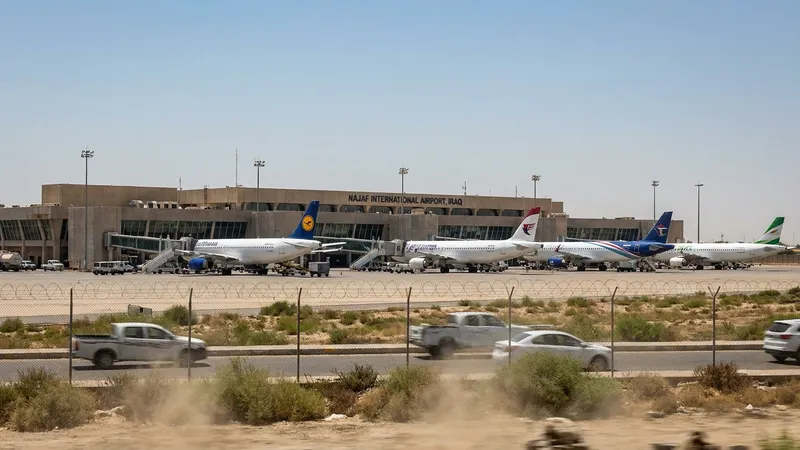
President Trump is preparing a one-month Iran sanctions waiver for Najaf flights, giving Iraq room to restore a sensitive pilgrimage route.
Najaf route gets 30 days
The limited Treasury Department waiver would permit Iraqi Airways to operate between Iran and Najaf for one month, according to a person directly involved in the deliberations. The same person said a longer waiver could follow, but no permanent exemption has been announced.
Iraq stopped flights to and from Iran on Friday in line with US sanctions, cutting an air corridor used by Shi'ite pilgrims, students and patients. An Iraqi official said Baghdad was discussing the Najaf exemption with Washington and expected the route to resume within 48 hours.
Zaidi seeks room between capitals
Prime Minister Ali al-Zaidi's office said over the weekend that Iraq was seeking exemptions for travel tied to medical treatment, education and pilgrimage. The request puts a narrow humanitarian and religious carveout inside a broader US sanctions campaign aimed at tightening Iran's economic isolation.
Zaidi has tried to strengthen ties with Washington while preserving Iraq's relationship with Iran, its influential neighbor and a major force in Iraqi politics. The person involved in the talks said the waiver was intended to reduce pressure on Zaidi's government after the flight suspension created a domestic political risk.
The State Department referred questions to the Treasury Department, which had no immediate comment. The waiver, if issued Monday, would be limited in scope: one airline, one Iraqi destination and one month of flights between Iran and Najaf.
Regional airlines face Iran pressure
Turkey, the United Arab Emirates and Iraq have canceled direct flights with Iran in recent days as US pressure increased, according to the source account. Iranian officials have threatened to halt regional air travel if Iran's links continue to be cut.
Najaf gives Iraq a different exposure from other regional governments. The city is a center of Shi'ite religious study and home to the shrine of Imam Ali, as well as one of the world's oldest active Islamic cemeteries.
The person involved in the deliberations said barring the flights could unite Shi'ites aligned with Iran's supreme leader and followers of Iraq's Grand Ayatollah Ali al-Sistani against Baghdad. That backlash, the person said, could weaken US efforts to reduce Iranian influence in Iraq.
Iraqi Airways carries waiver risk
Zaidi has offered safeguards for the flights, including screening, information sharing and steps meant to prevent transport of weapons, sanctioned people or illicit money, according to the person involved in the talks. Those controls are central to the waiver's politics: Washington would be granting movement while trying to keep sanctions pressure intact.
If the one-month waiver proceeds and compliance holds, the global effect would likely be limited to a small easing in regional travel frictions rather than a change in sanctions policy. For Iraqi Airways, the mechanism would be route restoration under Treasury conditions; for regional aviation, it would create a narrow template for religious and humanitarian exemptions.
If the waiver is delayed, denied or not extended, the pressure would move through a different channel. Iraq would face a larger domestic religious backlash, Iraqi Airways would remain exposed to lost Iran-linked traffic, and regional carriers would have less reason to expect carveouts as President Trump's sanctions campaign tightens around Iran's air links.