

Congressional Democrats Prioritize Anti-Corruption Investigations Following Midterm Results
Congressional Democrats are launching investigations into executive branch corruption and foreign influence, focusing on financial conflicts of interest and…
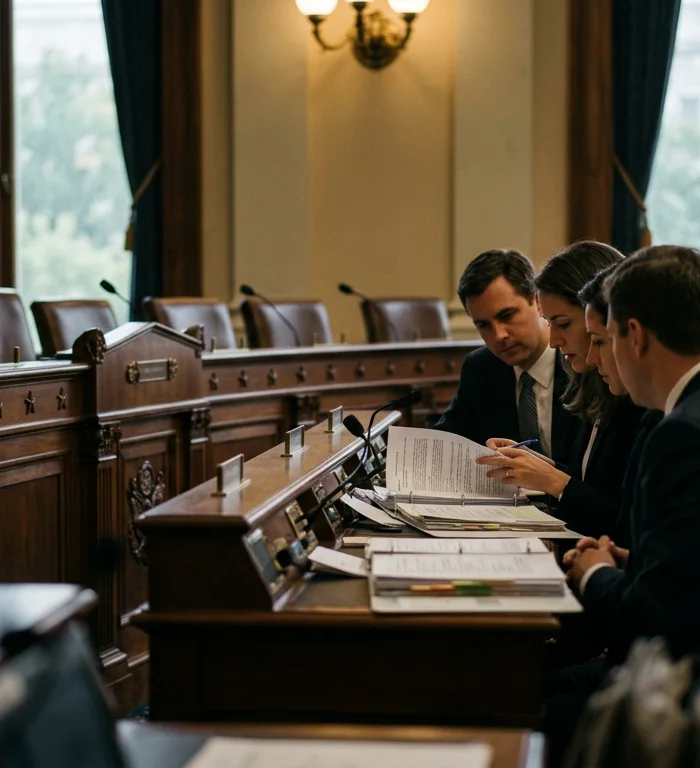
Following recent midterm election results, Democratic leadership is preparing to utilize congressional oversight powers to address systemic corruption concerns. Voters identified government integrity as a primary issue, prompting a shift in legislative focus toward investigating executive branch conduct and potential conflicts of interest. With control of both chambers, the incoming majority intends to leverage committee chairmanships and subpoena authority to compel testimony and document production.
Initial investigative efforts are expected to target the financial activities of the former president’s family and associates. Specific areas of inquiry include international business dealings, cryptocurrency ventures involving foreign investment, and private equity transactions that intersect with U.S. foreign policy. Lawmakers are particularly focused on potential conflicts of interest involving high-level advisors and the influence of foreign capital on national security decisions.
Beyond individual financial scrutiny, the legislative agenda includes a review of executive actions regarding pardons, sanctions, and the dismissal of legal cases. There is significant interest in examining whether these administrative powers were exercised to benefit foreign entities or individuals facing criminal charges. This oversight is intended to establish a record of executive conduct that may inform future policy reforms.
Long-term efforts will likely center on campaign finance and corporate transparency. Legislative proposals are expected to address the use of anonymous shell companies and the impact of unlimited corporate election spending, which critics argue facilitate foreign influence in domestic politics. While the likelihood of enacting comprehensive reform remains low due to potential executive opposition, the current strategy focuses on utilizing public hearings to build political momentum and establish a framework for future regulatory changes.
More stories
- FCC approves prison cellphone jamming despite 2.5-mile warning
- Congress tests Black Democrats' growing policy influence
- Cotton faults Lutnick over AI chips allegedly sent to China
- Vance declines to back Iran strikes as Trump defends war
- Paul seeks 20%-30% federal credit for U.S. film shoots
- Trump targets data centers abroad with tax threat to firms
- T-Mobile agrees to drop 50 GB cap in New York broadband deal
- Iran threats put Bessent security alongside sanctions push
- Pentagon Watchdog flags US munitions shortfalls despite Trump denial
- Supreme Court blocks Trump mail-vote curbs for midterms
Latest news
- Trump prepares tariffs on China and other major exporters
- New-car buyers pay record average $50,087 in October
- Banks face ECB reserve debate over liquidity and profits
- Investors see Anthropic debut gains fade below $83 a share
- Iraq orders federal control over Kurdish-area oilfields
- Germans oppose Ukraine aid as poll shows support slipping
- Kim Jong-un receives 10 envoys after constitutional shift
- Ukraine claims Libya strike sinks Russian naval corvette