Supreme Court blocks Trump mail-vote curbs for midterms
The Supreme Court blocked President Trump's mail-in voting restrictions for Nov. 3, keeping state election systems intact as legal challenges continue.
Lauren Collins ·
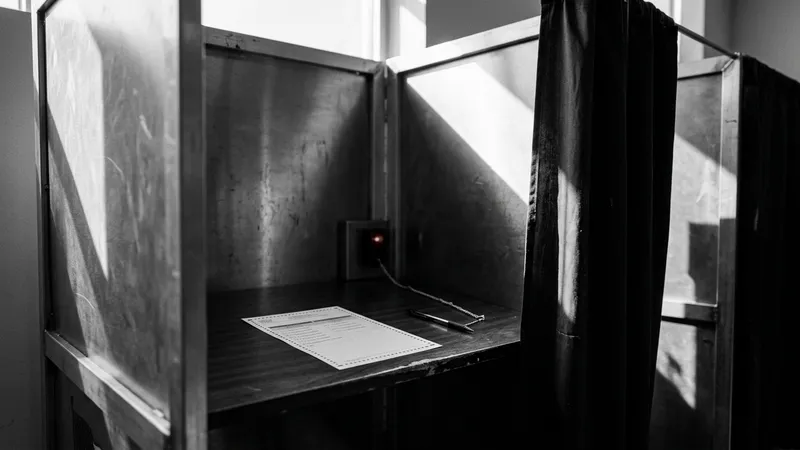
The Supreme Court blocked President Trump's mail-in voting restrictions for the Nov. 3 midterms, leaving state systems in place.
The late Monday emergency order rejected the administration's last-minute request to change how mail ballots would be distributed this year. The court said the restrictions would most likely fail in litigation, at least for the current election cycle.
Postal Service role rejected
The Trump administration had sought to give the U.S. Postal Service a central role in deciding who could receive a mail ballot. That would have shifted part of election administration toward a federal agency with only days left before voting concluded on November 3.
State election officials opposed the request, arguing there was not enough time to rework their procedures before the midterms. They also said their existing systems were secure and accurate, a position the court's order left undisturbed for this election.
Trump targets his appointees
President Trump responded Tuesday with a social media attack on the court, accusing the justices who rejected his position of failing the country. He wrote that the court's "inability and unwillingness to do the right thing for our Country" would be remembered negatively in history.
Trump also directed his frustration at justices he had helped place on the court. The president nominated Neil Gorsuch, Amy Coney Barrett and Brett Kavanaugh, giving him a direct political connection to one-third of the nine-member court.
In the same post, Trump said the justices who opposed him were "not the people I interviewed to serve on the United States Supreme Court." Justices Samuel Alito and Clarence Thomas publicly dissented from the order, and Trump called them "legends both."
Emergency docket limits timing
The order was procedural, but its effect was immediate: the proposed restrictions will not govern the Nov. 3 midterm elections unless another court acts before then. The Supreme Court did not issue a full merits ruling on the broader legal fight over mail-in voting.
Timing was central to the state officials' case. With election systems already operating, the administration's request would have imposed a new federal role at the point when local and state offices were administering ballots under existing rules.
Court fights widen
The mail-in voting dispute adds to a series of public clashes between Trump and the Supreme Court during his current term. The president has also criticized rulings against his efforts to restrict birthright citizenship and expand his unilateral tariff authority.
The beneficiaries of Monday's order are state election offices and voters using mail ballots under current procedures. The immediate loser is the White House, which failed to secure emergency relief before the midterms and now faces a slower legal track.
The institutional stakes extend beyond one voting method. A president who campaigns against court decisions can mobilize supporters, but the court's authority rests on compliance with rulings even when they cut against the administration that helped shape its membership.
Nov. 3 paths narrow
If the emergency order holds through Election Day, state systems will continue under existing mail-ballot rules. For the broader US political economy, that would remove one near-term source of election-administration uncertainty rather than change fiscal, trade or monetary policy.
If lower courts later revive parts of the administration's position, the effect would shift to future elections. The U.S. Postal Service could face a larger operational role, while state election offices and voting-technology vendors would need to adjust procedures around federal eligibility checks.
If the dispute remains unresolved after the midterms, the next question is whether the administration keeps pressing the case on a less urgent schedule. The answer will determine whether Monday's order is a temporary election-year barrier or the opening move in a longer fight over federal power in mail voting.