

US Supplemental Nutrition Assistance Program Enrollment Hits 17-Year Low
SNAP participation has fallen to a 17-year low following federal policy changes that tightened eligibility and work requirements, resulting in 5.
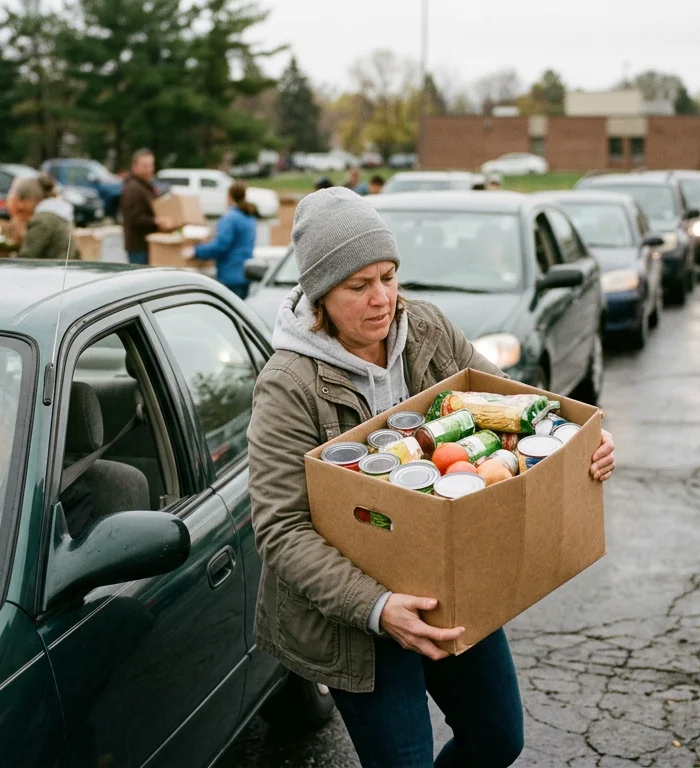
Federal data indicates that participation in the Supplemental Nutrition Assistance Program (SNAP) has reached its lowest level since the Great Recession. Between July 2025 and July 2026, approximately 5.5 million individuals were removed from the program, representing a 13% decline in enrollment. This reduction includes an estimated 2 million children, raising concerns regarding household food security and the efficacy of the current social safety net.
The decline follows the implementation of the One Big Beautiful Bill Act (OBBBA), which introduced stricter eligibility criteria and administrative requirements. Key policy shifts include raising the age for work requirements from 55 to 64 for childless adults, imposing new job-related standards for parents, and mandating state-level financial contributions linked to enrollment error rates. Additionally, the legislation restricted the use of benefits for utility and internet costs and curtailed eligibility for certain non-permanent legal residents.
State-level impacts have been uneven, with Arizona reporting a 50% decline in participation over the one-year period. Nine other states—including Texas, Florida, and Illinois—have experienced enrollment drops exceeding 20%. These reductions have coincided with reports from food pantries indicating increased demand for emergency food services, suggesting that the withdrawal of federal benefits is forcing households to reallocate limited income away from other essential needs.
From a macroeconomic perspective, the reduction in SNAP benefits represents a contraction in federal social spending, intended by proponents to reduce government expenditure and address perceived program inefficiencies. However, the resulting increase in food insecurity poses potential risks to public health outcomes and long-term economic productivity. Political discourse remains divided, with some legislators advocating for the restoration of funding, while others maintain that the reforms were necessary to curb program dependency and administrative waste. Future legislative developments will likely focus on whether Congress moves to delay further cuts or adjust eligibility thresholds to mitigate the current hunger crisis.
More stories
- FCC approves prison cellphone jamming despite 2.5-mile warning
- Congress tests Black Democrats' growing policy influence
- Cotton faults Lutnick over AI chips allegedly sent to China
- Vance declines to back Iran strikes as Trump defends war
- Paul seeks 20%-30% federal credit for U.S. film shoots
- Trump targets data centers abroad with tax threat to firms
- Cao faces Senate scrutiny over $32.5m-a-day Iran blockade estimate
- Nvidia forms security panel as chip controls tighten again
Latest news
- Trump prepares tariffs on China and other major exporters
- New-car buyers pay record average $50,087 in October
- Banks face ECB reserve debate over liquidity and profits
- Investors see Anthropic debut gains fade below $83 a share
- Iraq orders federal control over Kurdish-area oilfields
- Germans oppose Ukraine aid as poll shows support slipping
- Kim Jong-un receives 10 envoys after constitutional shift
- Ukraine claims Libya strike sinks Russian naval corvette