

Tanker Reef linked to disguised shipments of sanctioned Iranian jet fuel
Ship-tracking data and satellite analysis reveal that the vessel Reef delivered Iranian-origin jet fuel to Myanmar, bypassing international sanctions.
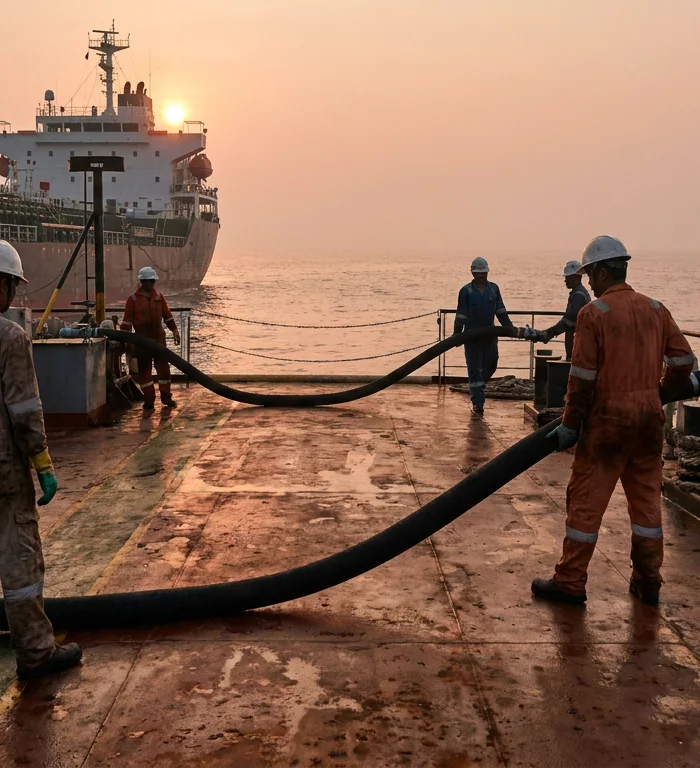
Clandestine fuel deliveries identified
Satellite imagery and maritime shipping records have linked the vessel Reef to the transportation of sanctioned jet fuel from Iran to Myanmar. This discovery provides evidence of how Iranian hydrocarbon exports continue to move through global markets despite long-standing trade restrictions.
The findings, analyzed by SynMax Intelligence, track the vessel’s movements as it navigated routes typically associated with the transport of illicit goods. By utilizing complex shipping patterns, the tanker avoided detection during transit, according to the tracking data.
Shadow fleet operations
Iran has increasingly relied on a network of clandestine shipping routes to maintain oil revenue in the face of comprehensive US sanctions. These operations frequently involve ship-to-ship transfers in international waters to mask the origin of the cargo before reaching final destination ports.
Such activities highlight the resilience of Tehran’s shadow fleet, which operates outside of conventional maritime insurance and regulatory frameworks. The use of regional intermediaries allows these shipments to be integrated into legitimate supply chains across Southeast Asia and other key markets.
Global shipping oversight
These activities emphasize the difficulty of enforcing energy sanctions in an environment where tracking mechanisms struggle to keep pace with evolving obfuscation techniques. The reliance on indirect transit routes complicates efforts by Western regulators to isolate Iranian energy revenues from the global financial system.
The resulting trade dynamics create a widening gap between official enforcement efforts and the reality of grey-market hydrocarbon flows. This poses a sustained challenge to the efficacy of economic pressure campaigns aimed at limiting the resources available to Tehran.
Enforcement outlook
Monitoring agencies and international regulators are now weighing how to address these specific logistics corridors. The open question remains whether the US Treasury’s Office of Foreign Assets Control will issue new designations against shipping entities or specific port authorities identified in the Myanmar route by year-end. If secondary sanctions are expanded to encompass these Southeast Asian logistical hubs, it would mark a significant shift in enforcement strategy. Conversely, if the administration prioritizes energy market stability, these shadow routes may continue to operate without increased diplomatic or financial intervention.
More stories
- Germans oppose Ukraine aid as poll shows support slipping
- Kim Jong-un receives 10 envoys after constitutional shift
- Ukraine claims Libya strike sinks Russian naval corvette
- COP31 climate talks collapse over fossil fuels and funds
- Russian military faces 1,087 recorded suicides in Ukraine war
- US faces China, Russia in Africa minerals contest
- Singapore studies geothermal power after 60-times resource estimate
- Singapore sets five-year power buildout for up to 13GW demand
- SyNCH links South Africa’s LEN clinics after 79,000 first doses
- Joburg Crisis Alliance seeks pledges from 270 councillors
Latest news
- Trump prepares tariffs on China and other major exporters
- New-car buyers pay record average $50,087 in October
- Banks face ECB reserve debate over liquidity and profits
- Investors see Anthropic debut gains fade below $83 a share
- Iraq orders federal control over Kurdish-area oilfields
- Nvidia shares retreat as AI rally cools before PCE data
- Macy’s parade faces balloon limits as storm winds approach