

SyNCH links South Africa’s LEN clinics after 79,000 first doses
A shared dashboard is meant to track repeat dosing, clinic stocks and gaps in uptake as the first users approach second injections in early December 2026.
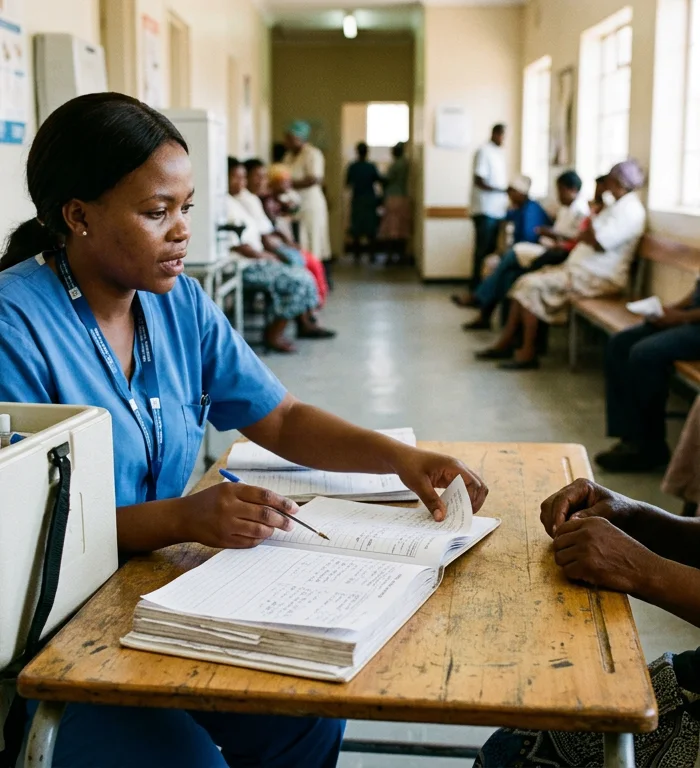
South Africa had administered just under 79,000 first LEN doses by Oct. 15, Bhekisisa reported in an Oct. 20 opinion article on the HIV-prevention rollout.
The figure matters because LEN is designed as a six-monthly injection: one first dose is only half of a two-visit annual prevention schedule until users return for later doses.
LEN, or lenacapavir, is available at 360 public clinics in South Africa. If the Oct. 15 total were spread evenly across those sites, it would equal about 219 first doses per clinic, according to Atlas360 calculations, though the Bhekisisa piece said uptake can vary by area and facility.
Most LEN clinics are connected through SyNCH, the Synchronised National Communication in Health system. The platform records a person’s LEN visit electronically, allowing staff at another participating clinic to see when the previous dose was given.
Bhekisisa’s article was written by Ntombi Sigwebela, chief executive officer of Health Systems Trust. “Giving someone their first LEN jab is easy to count. Knowing whether they return six months later is what tells us whether the programme is really working,” she wrote.
The data also feeds a LEN dashboard for health officials. The dashboard can break down uptake by age, gender and geography, from province level to individual clinics, giving managers a way to identify low-use districts, missed groups and facilities that need extra support.
Stock management is another test for the system. A prevention programme can falter if clinics attract demand but lack enough medicine when users come back on schedule, and the dashboard is intended to help officials see where supplies may be running low.
SyNCH was developed by Health Systems Trust and ASG Technologies with the national health department. It was first built to help manage medicines for stable chronic-care patients who collect treatment outside clinics, then expanded to include daily HIV-prevention pills and LEN.
The Western Cape is the main exception in the LEN data network because it uses a different electronic patient-record system. Users in the province can move among participating Western Cape clinics, but their LEN records are not connected to SyNCH clinics elsewhere in South Africa.
South Africa still does not have a comprehensive national electronic patient record, and SyNCH is not one. The Bhekisisa piece also cautioned that a dashboard is only as useful as the information entered by clinics, and that technology alone will not repair wider health-system weaknesses.
The next checkable milestone is early December 2026, when the first LEN users are due for second injections. Officials will need to see how many return, whether clinics have stock available and whether the system flags areas where follow-up is weak.
Source: Opinion article, Bhekisisa Centre for Health Journalism via AllAfrica, Oct. 20, 2026.
More stories
- Joburg Crisis Alliance seeks pledges from 270 councillors
- Zimbabwe court keeps mental-health abortion limits
- KAYAK puts Rovaniemi Christmas hotel rates down 22%
- Malaysia TVET entrants rise 30% in high-skills push
- Thai police arrest 39 in Cambodia-linked laundering probe
- Fire in Limoges leaves heritage loss and service disruption
- Air Force confirms space weapon for orbital defense plan
- Seoul guards South Korea investment terms in U.S. talks