

Hormuz mines hit two tankers, raising oil-supply risk
Iranian officials said the vessels caught fire after striking previously placed mines south of the Strait of Hormuz.
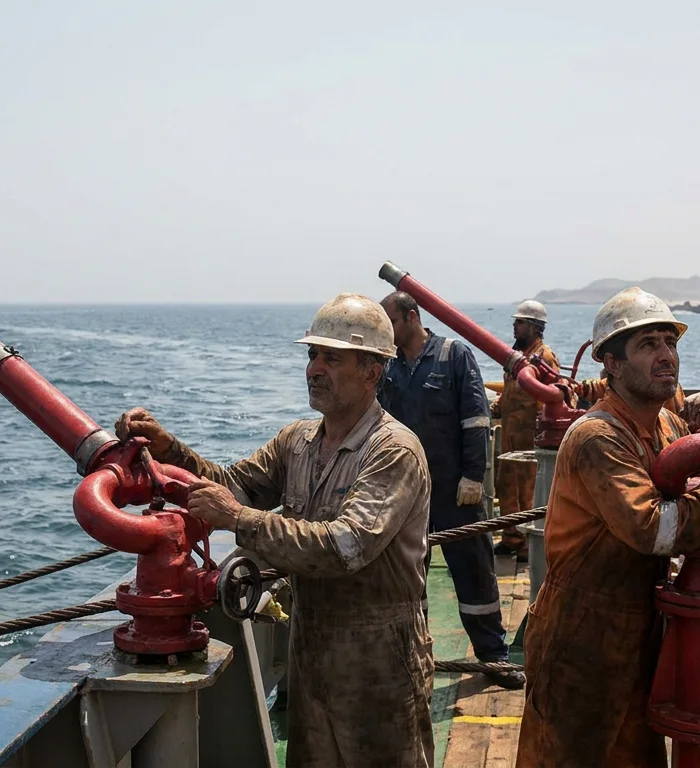
Iranian officials said two oil tankers caught fire on Oct. 20 after hitting previously placed mines south of the Strait of Hormuz, adding risk to one of the world's main crude transit routes. Reaction pending.
The Islamic Revolutionary Guard Corps said the tankers were trying to use a route it described as illegal. Officials repeated a threat against similar passages, tying the incident to maritime control around the waterway.
Hormuz tanker-route threat
The Strait of Hormuz is a narrow channel between Iran and Oman that links Gulf producers with open seas. Disruption there can quickly affect oil shipping costs, tanker availability and energy-risk pricing, even before confirmed supply losses.
The official account did not give the names of the tankers, their cargoes, flag states, ownership or casualty details. It also did not provide evidence in the supplied material for when the mines were placed or whether traffic through the wider strait had been restricted.
If the fires are contained and commercial traffic continues, the main effect may stay in freight rates, insurance premiums and precautionary rerouting. If Iran expands enforcement or other ships avoid the area, the pressure would move closer to physical crude flows, refinery feedstock planning and government energy-security responses.
The next marker is the 24-hour window through Oct. 21, when shipping advisories, tanker-tracking updates and official statements will show whether the incident remains isolated or begins to alter Hormuz transit patterns.
More stories
- STOXX 600 falls 0.6% as Brent tops $110
- CoreWeave gains 3.4% after Goldman upgrade
- MSCI warning weighs on Indonesia's currency and its bonds
- France faces election strain after 2,000 protest arrests
- Malaga leads Andalucía euthanasia cases with 13 in 2025
- Ireland faces longevity gap as one-third of newborns may reach 100
- Strait of Hormuz traffic falls as Gulf risks persist for oil
- Porsche jobs denial puts 4,000-cut report in doubt for now
Latest news
- UK inquiry faults government after 43,000 care-home Covid deaths
- SyNCH links South Africa’s LEN clinics after 79,000 first doses
- Damen challenges Rheinmetall's Mangalia deal at 75% of start
- Joburg Crisis Alliance seeks pledges from 270 councillors
- Zimbabwe court keeps mental-health abortion limits
- KAYAK puts Rovaniemi Christmas hotel rates down 22%
- Malaysia TVET entrants rise 30% in high-skills push
- Thai police arrest 39 in Cambodia-linked laundering probe