

Zimbabwe court keeps mental-health abortion limits
The Constitutional Court set aside a High Court declaration on two provisions, saying judges had not completed the required constitutional test.
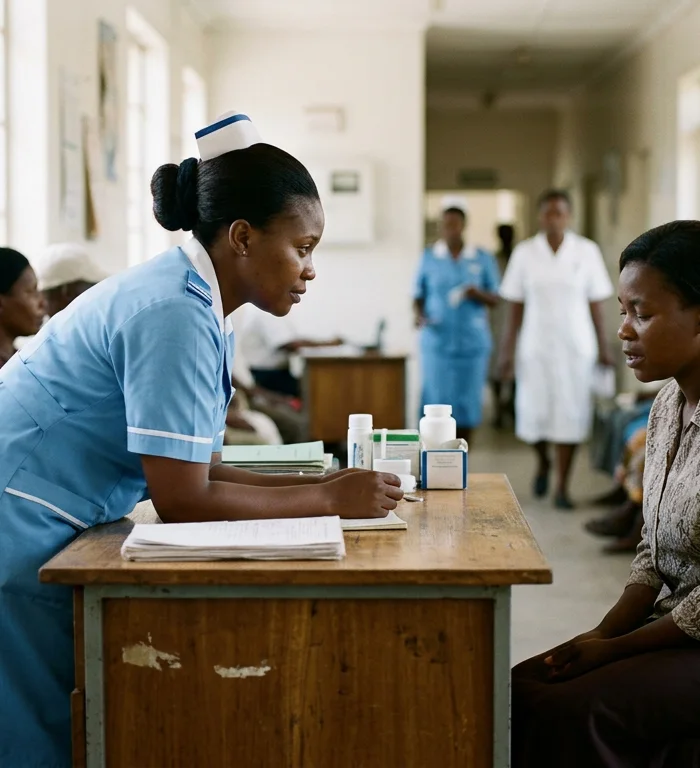
Zimbabwe’s Constitutional Court kept existing abortion limits in force on Oct. 14, 2026, overturning a High Court ruling on sections 4(a) and 2(1) of the Termination of Pregnancy Act, according to a New Zimbabwe article.
The Oct. 20 article said the Constitutional Court’s decision removed an 18-month window the High Court had given authorities to amend the law, preserving rules challenged over mental-health exclusions and disability-related pregnancy cases.
Justice Bharat Patel, writing for the court, said the lower court had not completed the required constitutional analysis before invalidating legislation. “A finding that the impugned legislation limits a constitutional right does not, without more, render that legislation unconstitutional,” Patel said.
The court said judges must also consider section 86(2) of the Constitution, the general limitation clause allowing rights restrictions that are fair, reasonable, necessary and justifiable in an open, just and democratic society. “The omission of a structured justification analysis is significant and critical,” Patel said.
The case was brought by the Community Working Group on Health and human rights activist Nyasha Batitsa against the Health Minister, the Justice Minister, the Attorney-General and Parliament. The applicants challenged the law for not listing mental health as a specific basis for lawful termination of pregnancy and for not recognising certain pregnancies involving mentally impaired women under the statute’s definition of “unlawful intercourse.”
The applicants argued that physical and mental health are linked components of health, and that women with severe psychiatric conditions may face serious harm if required to continue pregnancies. They relied on medical and expert evidence concerning risks including suicide, post-partum psychosis and long-term psychological harm.
They also argued that the law discriminated against women and girls with mental disabilities by failing to incorporate conduct barred under section 106 of the Mental Health Act into the abortion statute. They said the disputed provisions infringed constitutional protections for life, dignity, equality and healthcare access.
The government opposed the challenge, saying the current law already covers health conditions that threaten a woman’s life and warning against a broad rule for mental-health grounds, which it said vary in severity. Pro-life organisations admitted as friends of the court, meaning non-parties allowed to make submissions, also opposed a wider legal basis for abortion and said protection of unborn children required legislative consideration.
The Constitutional Court also rejected an argument that Parliament’s choices could not be reviewed by courts. “The conduct and decisions of Parliament, like any other exercise of public power, are subject to constitutional review by this Court,” Patel said.
Even so, the court declined to examine Parliament’s conduct in this case because the matter before it concerned confirmation proceedings, a review step for a lower-court declaration invalidating legislation, rather than a direct challenge to parliamentary action. An objection that the case was premature fell away after respondents said proposed amendments had reached the Senate but had not been approved.
The court declined to confirm the High Court’s declarations, set aside its judgment and made no order on costs. New Zimbabwe reported that the ruling did not decide whether excluding mental health from statutory abortion grounds is constitutionally justified; it turned on the High Court’s incomplete analysis.
Source: news article, New Zimbabwe via AllAfrica, Oct. 20, 2026.
More stories
- Joburg Crisis Alliance seeks pledges from 270 councillors
- KAYAK puts Rovaniemi Christmas hotel rates down 22%
- Malaysia TVET entrants rise 30% in high-skills push
- Thai police arrest 39 in Cambodia-linked laundering probe
- Fire in Limoges leaves heritage loss and service disruption
- Uganda rice project lifts yields to 25 bags an acre
- Egypt construction consulting may hit $10.06 billion by 2031
- Kazakhstan plans gold sales to reduce reserve dependence