

Kazakhstan plans gold sales to reduce reserve dependence
Kazakhstan plans to lower gold’s reserve share from 78% to 75% by year-end, citing concentration risks and the appeal of dollar investments.
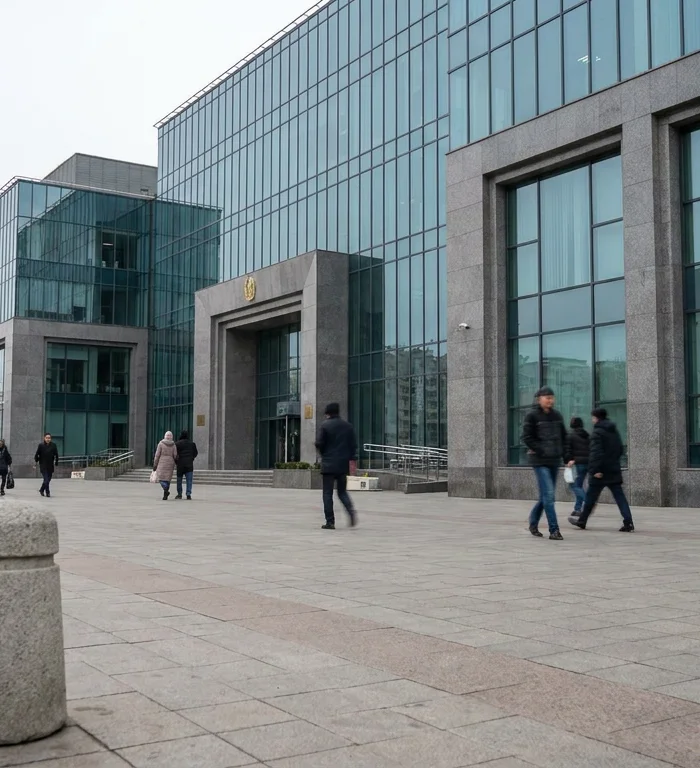
Kazakhstan plans to lower gold’s reserve share from 78% to 75% by year-end, citing concentration risks and the appeal of dollar investments.
Deputy Governor Aliya Moldabekova said the National Bank of Kazakhstan intends to divide the adjustment equally between options sales and physical bullion disposals. The objective is a more balanced reserve portfolio, rather than a wholesale withdrawal from gold.
The shift follows a period of accumulation: the bank stopped selling bullion in February 2025, according to Moldabekova. World Gold Council figures placed Kazakhstan fourth among official-sector purchasers during January–August 2026, making the planned sales a change in direction for an active buyer.
Kazakhstan confronts concentrated gold holdings
Moldabekova put the bank’s bullion holdings at 386 tons, accounting for roughly 78% of reserves. She described that allocation as too concentrated and stressed that reserve assets need to remain readily available.
“With such a share of gold, our holdings are starting to resemble a single-asset portfolio,” Moldabekova said. She put foreign currency reserves at $66.4 billion at September’s close, providing the scale against which the gold allocation is being reassessed.
The bank has purchasing rights over the country’s entire domestic gold output. That institutional arrangement gives Kazakhstan a direct channel for acquiring bullion from local production, separate from purchases on international markets.
Treasury returns change the reserve calculation
Moldabekova cited higher Treasury yields as a reason to favor dollar investments over additional exposure to bullion. Her argument centers on the return available from dollar assets compared with gold, which does not pay interest.
The adjustment does not mean official-sector demand has reversed everywhere. World Gold Council figures show central banks remained net purchasers this year, with Poland, China and Uzbekistan leading the accumulation.
That contrast distinguishes Kazakhstan’s portfolio decision from a coordinated retreat by reserve managers. Its stated objective is to reduce concentration while preserving a gold allocation of 75%, still far larger than the remaining share of its reserves.
The proposed options transactions also distinguish the plan from an exclusively physical sale. Moldabekova did not specify contract terms, counterparties or the quantity of bullion to be sold, leaving the execution details and immediate market exposure uncertain.
Gold prices may alter sales needs
The target is sensitive to valuation as well as transactions. Moldabekova said a bullion price below $4,000 an ounce might itself move the gold allocation toward 75%, meaning the adjustment need not come entirely through disposals.
If declining prices reduce the required sales, Kazakhstan would have less need to release physical metal to reach its objective. For the bullion market, that scenario would mean fewer sales than a reading of the allocation target alone might suggest.
If dollar returns remain attractive and the bank proceeds with disposals, Kazakhstan would exchange some bullion exposure for other reserve assets. If other reserve managers made similar choices, the broader consequence could be weaker official demand for gold and stronger demand for dollar investments; the supplied figures do not establish such a collective shift.
Moldabekova nevertheless expects bullion prices to rise modestly, citing persistent uncertainty. She said the bank would reassess after reaching its initial allocation goal, leaving subsequent sales dependent on prices and portfolio conditions rather than a published multiyear schedule.
More stories
- Trump says Putin wants Ukraine deal more than Zelensky
- Saudi authorities extend Riyadh airport closure to Oct 17
- Trump diesel carve-out tests Congress as Russia talks stall over Ukraine
- Houthis Claim Ballistic Missile Strike on Riyadh Airport
- Pope Leo plans lung surgery, pauses events to October 20
- Russia rejects 60-day Ukraine truce, offers election-day pause
- Senators oppose President Trump diesel deal with Russia
- Hormuz reopening hinges on Iran's seven stated conditions
Latest news
- AI may reshape 40% of jobs as IMF sees Asia growth lift
- EU Nations Demand New Veto Power to Block Regulatory Overreach
- Robert Hall and Michael Woodford Win 2026 Nobel Prize in Economics
- O'Connell's Twin Daughters, 17, Prepare for College Transition
- Manchester United Eyes Fulham Midfielder Josh King for £50M
- Devon Sawa Dismisses Plane Crash Risk Despite 'Final Destination' Role
- Galatasaray Hosts Barcelona in UEFA Champions League Match
- Trump reviews Guilfoyle amid disputed ethics allegations