Supreme Court lets Trump ballroom work continue for now
The Supreme Court’s 5-4 order lets President Trump continue White House ballroom construction while leaving the project’s legality unresolved.
Atlas Newsdesk ·
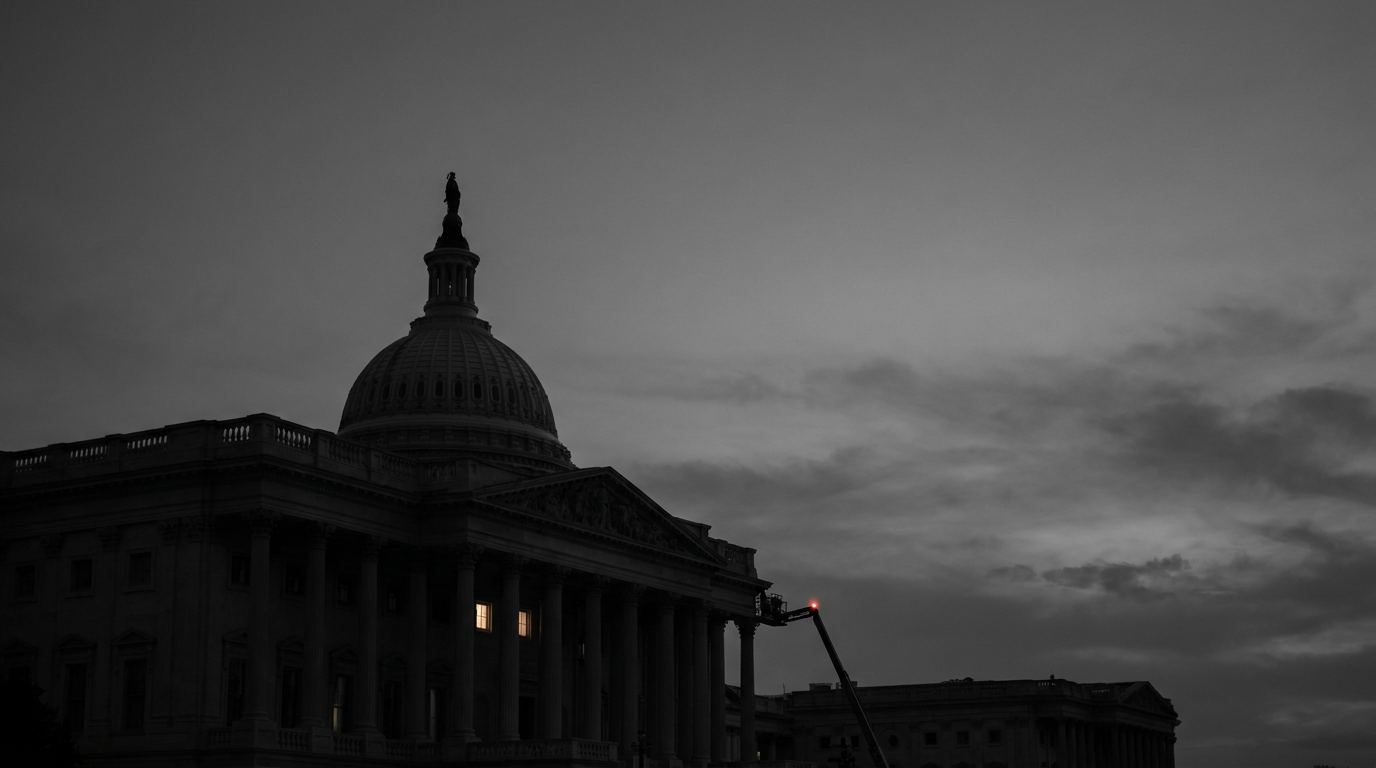
The Supreme Court let President Trump continue White House ballroom construction after a 5-4 order Monday. The ruling leaves legality unresolved.
The unsigned eight-page decision rejected, for now, an effort by a historic preservation group to halt work. The court said the group was unlikely to have legal standing and that stopping the project at this stage would cause the administration irreparable harm.
Five justices keep work moving
The order does not decide whether the ballroom project is lawful. The court wrote that it did "not pass upon the legality" of the construction, leaving that question for further litigation or another procedural fight.
That distinction matters for the White House and for opponents of the work. President Trump may continue building while the case remains alive, but the preservation group can still press arguments if it can overcome the threshold standing issue.
Standing becomes the central barrier
Legal standing is the gatekeeping test that determines whether a plaintiff has a concrete enough injury to sue. By saying the group was unlikely to clear that test, the court focused on who can challenge the project rather than on the design, cost, approval process or preservation merits.
The 5-4 split shows the request for emergency relief divided the court. The narrow margin gives both sides a limited signal: construction can continue, but a majority did not endorse the project’s underlying legality.
Ballroom dispute tests preservation power
The case puts a construction decision at the executive residence against a preservation challenge aimed at slowing or stopping it. For the group, the immediate loss is procedural: without standing, claims about harm to the White House complex may never receive a merits ruling.
For the administration, the practical gain is time. Construction projects become harder to unwind as contracts, site work and physical alterations advance, which is why the court’s view of irreparable harm carries weight even without a final legality decision.
Three paths for the ballroom
If the standing finding holds, the macro effect is limited: federal building policy would not change, and the dispute would remain a domestic institutional matter. For President Trump, work would continue with lower litigation risk; for preservation groups, the ruling would narrow the route for similar challenges.
If the group later establishes standing, the case would shift toward the approvals and legal basis for the project. That path could delay construction, expose the White House to further court orders and give the preservation sector a stronger model for contesting executive-branch building decisions.
If construction finishes before a merits ruling, the dispute may move from prevention to remedy. The global macro effect would still be small, but contractors performing the work would face less disruption, while preservation advocates would have to argue over reversal, modification or future process constraints.
The main open question is whether any later court reaches the merits before the project advances beyond the point where an injunction would have practical force. Monday’s order answers the immediate construction question, not the final legal one.