Strait of Hormuz strike hits Iranian launchers on Larak
U.S. forces struck two Iranian rocket launchers in the Strait of Hormuz, intensifying pressure on shipping and Iran diplomacy.
Omar Farouk ·
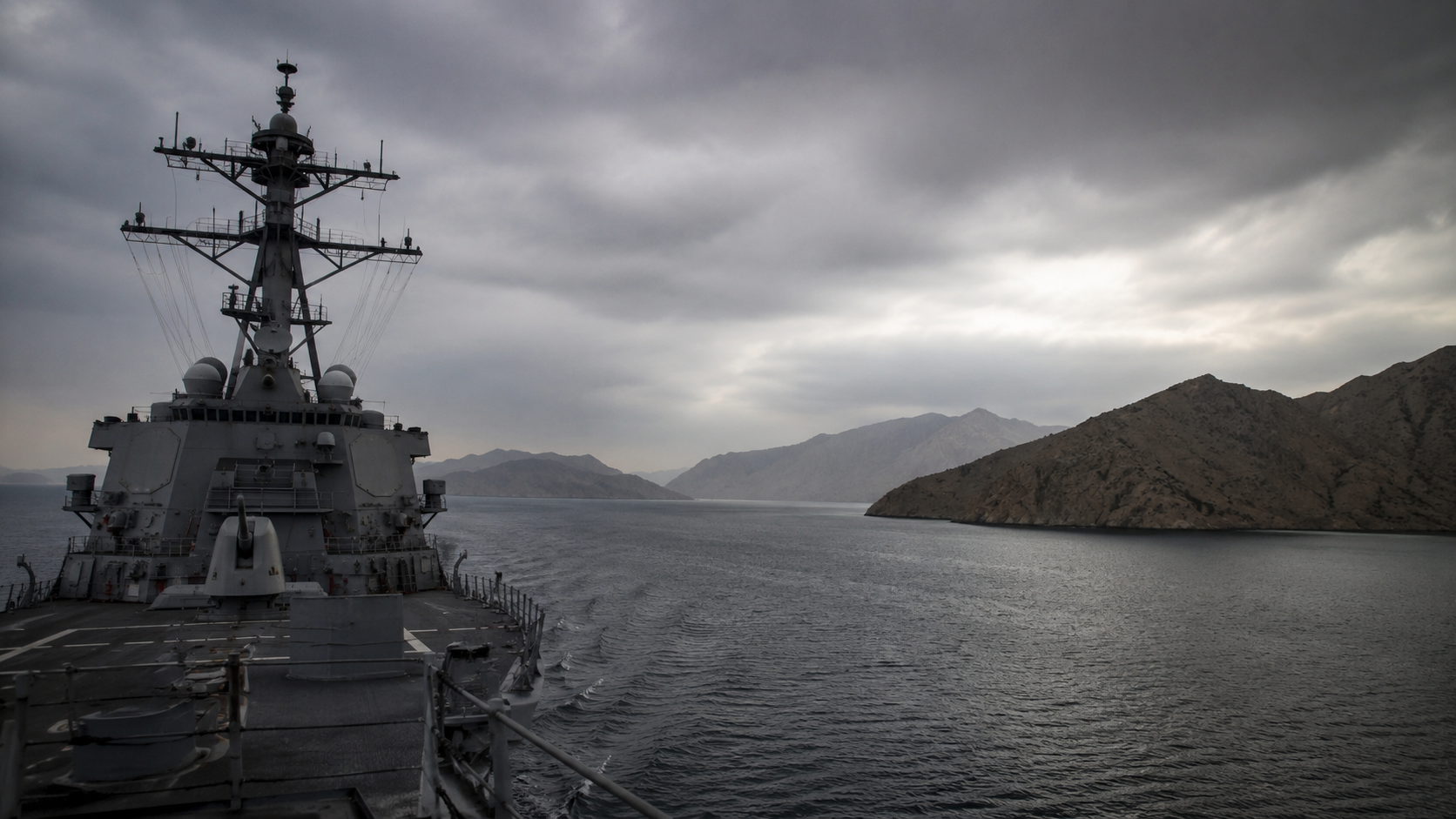
U.S. forces struck two Iranian rocket launchers in the Strait of Hormuz, raising the risk of renewed combat around a key shipping route.
U.S. Central Command said Sunday the launchers were positioned on Larak Island and were being readied to fire rockets carrying sea mines into the waterway. The command described the action as the first confirmed American strike on Iranian targets in weeks.
Larak Island launchers become target
Capt. Tim Hawkins, a Central Command spokesman, said U.S. forces had finished clearing mines from international shipping lanes the previous week. He said the military would not allow Iran to place more mines in the strait, a threat President Trump had also addressed in a social-media post last week.
Trump said the United States would retaliate if Iran attempted new mine placements, after earlier ordering a pause in strikes at the request of Gulf allies. The previous U.S. military confirmation of a strike on Iran came on July 29, just before the pause was announced to give diplomacy another opening.
Iran warns of repercussions
Brig. Gen. Hossein Mohebi, a spokesman for Iran’s Islamic Revolutionary Guard Corps, called the U.S. action a strategic and fatal error by the Trump administration and said it would bring severe repercussions, according to Iran’s official news agency. The Revolutionary Guards said several service members and civilians were killed or wounded on Larak Island, according to state media.
U.S. officials said the launchers hit on Sunday belonged to the Revolutionary Guards. Larak is a small Iranian island in the strait and has become a military and shipping-control point for Tehran, with Guard units using it to watch vessel traffic across the waterway.
Blockade strategy faces test
The strike comes as the White House presses Iran with sanctions and a maritime blockade rather than a declared return to sustained air attacks. The administration has said the pressure is intended to push Tehran to reopen the strait and make concessions on its nuclear program.
Treasury Secretary Scott Bessent last week announced Operation Economic Outcast, which he described as a campaign to isolate Iran’s government. Bessent said earlier this month that a maximum economic-pressure strategy would make a large-scale kinetic restart less likely, tying the sanctions track to the administration’s effort to limit another round of combat.
Shipping remains under pressure
On Saturday, UK Maritime Trade Operations said a tanker entering the strait near Oman was hit by a projectile. The report gave a maritime-security marker one day before the U.S. strike on Larak Island.
Soon after the Larak strike, U.S. forces defended against missiles launched at Jordan, U.S. military officials said. Jordan hosts nearly 4,000 U.S. troops and serves as a staging ground for U.S. operations across the Middle East, so attacks aimed there can widen the military burden beyond the strait.
Three paths from Hormuz
If the strike deters new mine placements, the White House’s sanctions-and-blockade approach could remain the main channel of pressure, leaving international shipping less exposed to mine-clearing delays. For Iran, that path would preserve leverage over a critical waterway while reducing immediate pressure on the Revolutionary Guards’ coastal assets.
If Iran answers with more fire at vessels or U.S. positions, the immediate effect would be higher security demands on a trade route already operating under pressure. For the Trump administration, that would test whether sanctions can remain the central tool; for shipping operators, insurance, routing and escort decisions would become more difficult.
The main open question is whether the Larak strike stays limited to the launchers Central Command identified or becomes part of a renewed exchange. A diplomatic pause would keep nuclear talks and sanctions in focus; a wider cycle of strikes would push military inventories, regional bases and commercial shipping back toward the center of the crisis.