RAI press freedom clash grows after Ranucci removal as host
RAI removed Sigfrido Ranucci from Report after nine years, reviving a fight over press freedom and political influence at Italy's state broadcaster.
Matteo Ricci ·
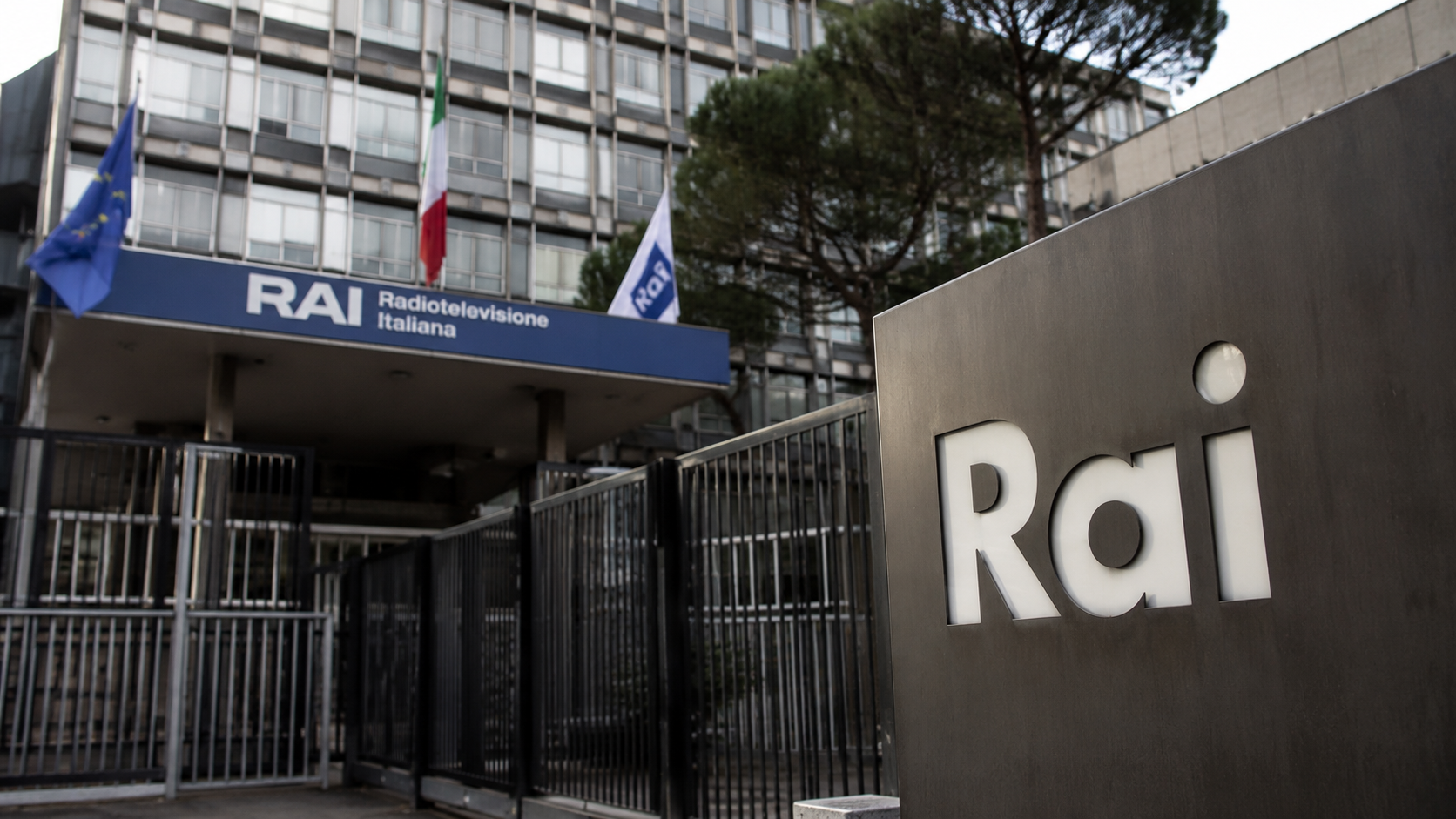
RAI press freedom concerns grew after the state broadcaster removed Sigfrido Ranucci from Report after nine years as presenter.
Opposition parties described the decision as an attack on media independence, while allies of the government welcomed RAI's move. The dispute has put the broadcaster's governance back at the center of Italian politics, where its board is appointed by parliament and the government.
Ranucci loses Report role
RAI announced the change late Friday, ending Ranucci's run at one of Italy's best-known investigative current affairs programs. The broadcaster's decision followed weeks of coverage in Italian media over Ranucci's position and the future of Report.
Ranucci responded by framing the decision as part of a wider battle over editorial independence. "I will no longer host 'Report', but I will lead the most important battle of my life: the fight for press freedom," he said after learning of the move.
The removal is politically sensitive because Report has built its reputation on investigations into public life, business and institutions. A presenter change at such a program is not a routine scheduling matter when critics already argue that RAI's editorial line shifts with the coalition in power.
Bomb attack preceded decision
The case gained a different weight after a bomb attack outside Ranucci's home in October last year. At the time, political figures across Italy expressed support for him, according to the account provided in the source material.
That earlier attack made the later personnel decision harder to separate from a debate over protection for journalists. Opposition parties are now treating the removal as evidence of political pressure on public broadcasting, while government allies have cast it as a legitimate management decision.
The source material does not give RAI's detailed explanation for removing Ranucci, and no replacement or new role is specified. That leaves the immediate operational question focused on Report itself: who leads the program, whether its editorial approach changes and how its audience responds.
RAI governance returns to focus
RAI occupies an unusual position in Italy's public life because it is both a state broadcaster and a major national media outlet. Its leadership structure, shaped by parliament and the government, gives political institutions a formal role in an organization expected to provide independent journalism.
That structure has long made RAI a proxy battlefield for arguments over media pluralism. Critics say the broadcaster's editorial direction can be influenced by the ruling coalition of the day; supporters of government-backed changes tend to argue that management has the right to reshape programs and presenters.
The Ranucci decision affects more than one journalist. For RAI, the mechanism is reputational: removing a prominent investigative presenter can make audience trust, staff morale and parliamentary oversight part of the same dispute.
For Italy's wider media sector, the case may influence how editors, unions and journalists assess the durability of public-service safeguards. If high-profile investigative programs appear vulnerable to political turnover, private outlets and independent newsrooms may face stronger pressure to fill gaps in accountability reporting.
Scenarios for Italy's media sector
If RAI keeps Ranucci away from Report and provides only a limited explanation, opposition parties are likely to press the issue through parliamentary channels. In that scenario, the global relevance is institutional rather than macroeconomic: Italy would become another test case for how public broadcasters manage political appointment systems while claiming editorial autonomy.
If RAI names a successor and maintains Report's investigative line, the company could limit reputational damage by showing continuity in output. The wider industry effect would depend on whether journalists and viewers judge the change by the program's future reporting record rather than by the personnel decision alone.
If Ranucci turns his removal into an organized press-freedom campaign, the dispute could move beyond RAI's internal structure. The main open question is whether the fight stays tied to one presenter and one program, or becomes a broader confrontation over how Italy shields public-interest journalism from political control.