Erik Prince launches Vectus Air Defense startup for drones
Erik Prince launched Vectus Air Defense Systems with Swarmer to sell customized counterdrone protection for infrastructure, militaries and governments.
Lauren Collins ·
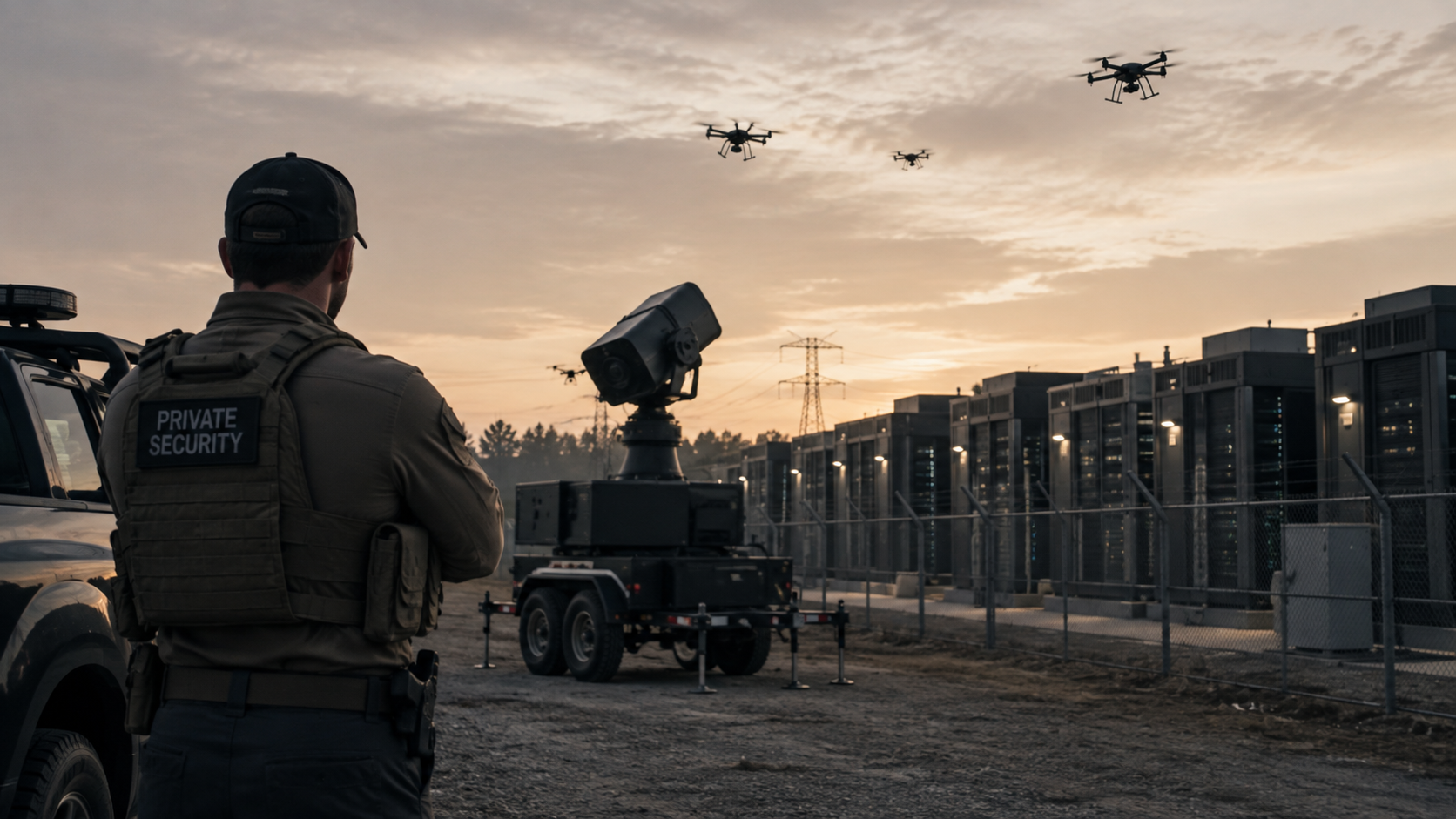
Erik Prince launched Vectus Air Defense Systems with Swarmer, a 20% owner, to sell counterdrone protection for infrastructure and militaries.
Prince said Friday that the U.S.-based startup will design and operate air-defense systems for companies, governments and military customers. The pitch is built around a private-sector market for protecting data centers, energy sites and military bases as low-cost drones become a more common threat.
"It’s clear that the threat is evolving rapidly and the demand for a private-sector solution is very strong," Prince said. He said Vectus would seek to lower the cost of air-defense systems for both public and private buyers.
Swarmer takes 20% stake
Swarmer, a Ukrainian drone software company, owns 20% of the new venture. Prince became chairman of Swarmer’s board in December, after meeting the company through one of its investors.
Prince had business interests in Ukraine before Russia’s 2022 invasion. Swarmer says its software enables groups of drones to coordinate with one another during attacks and adjust as battlefield conditions change.
The company’s technology has been used by Ukrainian forces developing AI-powered drone swarms against Russian positions, according to the company’s account. For Vectus, that gives the startup a battlefield-tested software partner as it tries to sell protection against the same class of systems.
Blackwater history shadows expansion
Vectus Air Defense Systems follows Prince’s launch of Vectus Global, a brand for security work in Latin America and other markets. The new venture extends Prince’s return to private security contracting after he sold Blackwater in 2010.
Blackwater became known during the U.S. war on terror after contractors working for the company killed more than a dozen unarmed Iraqi civilians in 2007. President Trump later pardoned the contractors convicted in connection with the shooting.
Prince is also a political ally of President Trump and has had close ties to the president’s circle. His sister, Betsy DeVos, served as education secretary during Trump’s first term.
Powerus enters vendor field
Vectus and Swarmer said their air-defense designs will combine Swarmer software with technology from other suppliers. The package could include sensors, electronic warfare tools, drone interceptors, guns and cannons.
One potential participant is Powerus, a drone company backed by President Trump’s sons, Don Jr. and Eric Trump. Powerus has a partnership with Swarmer and announced Thursday a $22 million contract to provide counterdrone technology to oil and gas operators in the Middle East.
The vendor model matters because counterdrone systems are rarely one-piece products. A buyer may need detection, jamming, command software and a physical interceptor, with the mix changing by site and threat.
Middle East sales test
Vectus is focusing on customers in the Middle East, where Iranian drones have threatened energy infrastructure, American military bases and data centers. It also aims to sell into Ukraine and other parts of Europe facing Russian drone and missile pressure.
Ukraine has relied on U.S.-supplied Patriot interceptor missiles while Russian strikes have damaged Kyiv and other targets. The shortage of interceptors has created demand for lower-cost layers of defense, especially where expensive missiles are being used against cheaper attacking drones.
Alex Fink, Swarmer president and chief executive of its U.S. operations in Texas, said attackers may choose targets for financial or symbolic effect. "Militias are going to try to hit whatever causes the most damage. Those are the things that need protection," Fink said.
If Middle East buyers adopt the Vectus model, the macro effect would be narrower disruption risk around energy and data infrastructure; for Vectus, it would validate a private air-defense market; for the sector, it would push vendors toward integrated systems. If procurement rules, export controls or interceptor shortages limit adoption, Vectus would face a slower sales cycle and the wider industry would remain more dependent on state arsenals and traditional defense contractors.