Strait of Hormuz tensions test Trump's Iran diplomacy plans
Strait of Hormuz talks missed a 60-day deadline as President Trump threatened Oman, Iran kept separate talks, and defense moves widened across US allies.
Lauren Collins ·
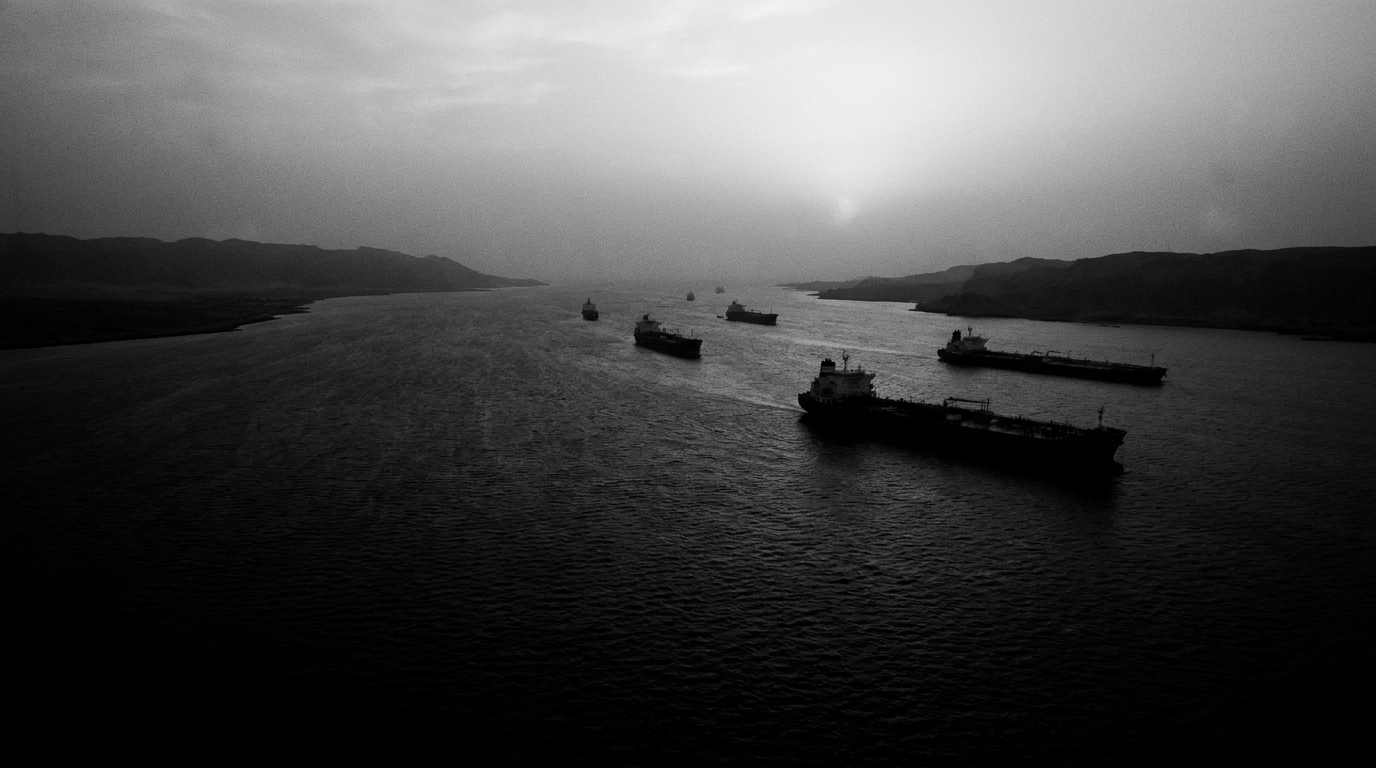
Strait of Hormuz talks hit a deadline as President Trump threatened Oman and pressed Iran while shipping and oil risks stayed elevated.
Hormuz deadline expires
The US and Iran had set a 60-day window to reach a peace arrangement, and that deadline expired Monday without an agreement described in the source material. Trump has also said he is not interested in extending a truce signed in June, leaving the diplomatic calendar without a visible new marker.
Oman, a close US security partner, became part of the dispute after Trump said in a Monday television interview that the US would bomb the country if it obstructed a deal for free passage through the strait. The threat was aimed at a country that has often served as a regional intermediary, including in conversations involving Iran.
Iran is discussing management of the waterway with Oman, while the US is not taking part in those talks, according to the source material. Becca Wasser, a defense economist, said “Both sides appear to be playing for time” and “That means they’re willing to keep communication channels open.”
The Strait of Hormuz remains closed in the account provided, with missiles still being fired and leaders publicly trading positions. Wasser said that pattern pointed to restricted shipping and upward pressure on oil prices if the standoff continued.
South Korea weighs submarine push
Trump also directed US defense officials to reduce planned military exercises with South Korea, citing the cost of the drills and his relationship with North Korean leader Kim Jong Un. The decision shifted pressure onto Seoul, which depends on the US security umbrella while managing a nuclear-armed neighbor.
South Korean President Lee Jae Myung answered by urging faster work on his country’s plan to obtain a nuclear-powered submarine. For Seoul, the issue is not only the size of joint drills but whether allied signaling remains credible when Washington is cutting back an established military routine.
The pressure was not confined to East Asia or the Gulf. The Russian embassy warned the UK that consequences would follow after reports that Ukraine had used drones made by British companies to strike targets inside Russia.
Missile demand meets market caution
Japan is preparing to test hypersonic and other missiles in Australia as Tokyo adds to its arsenal in response to threats that include China. The move places another US ally on a path toward longer-range and faster weapons, even as regional defense planning becomes more closely tied to missile technology.
RTX Corp. won a US Navy contract valued at $22.9 billion to increase production of Tomahawk cruise missiles. The award gives one major defense contractor a clear procurement win at a moment when governments are trying to replenish stocks and prepare for more demanding strike missions.
Defense shares moved lower in the market snapshot despite the contract news. At 09:26 a.m. ET, RTX was quoted at $221.64, down 0.6%; Lockheed Martin was at $593.74, down 2.5%; Palantir was at $172.55, down 0.9%; and Rheinmetall was at €1,214, down 0.3%.
Jared Kushner, Trump’s son-in-law and adviser, was in the Middle East trying to broker peace with leaders of Hamas and Israel, while also saying Trump would be patient on an Iran deal. That message now sits beside the expired 60-day window, Trump’s refusal to extend the June truce and his warning to Oman.
If a Hormuz arrangement restores free passage, the immediate macro channel would run through shipping costs and oil prices, while RTX’s Tomahawk order would remain primarily a Navy production story and the wider defense sector would focus on scheduled procurement.
If the strait stays closed and skirmishing continues, energy prices and shipping constraints would carry the broader economic risk, RTX and peers would remain tied to missile demand, and allied defense plans would face pressure to accelerate.