Belgorod attack kills six as drones strike Astrakhan site
A Belgorod attack killed at least six near Ukraine, while Russian officials reported a fatal Astrakhan drone strike and 205 drone interceptions.
Lauren Collins ·
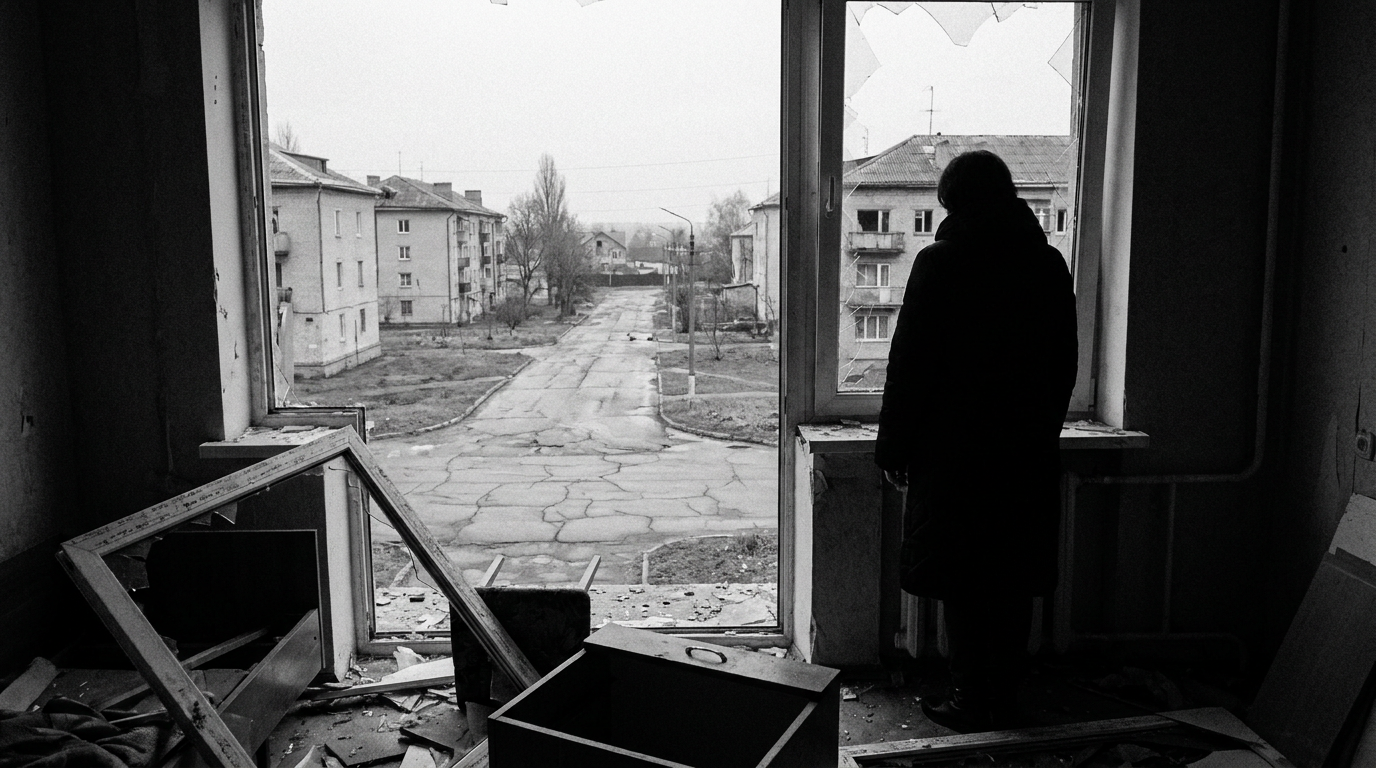
A Belgorod attack killed at least six people near Ukraine, Russian officials said, as they also reported a fatal drone strike in Astrakhan.
Acting Belgorod region Governor Aleksander Shuvaev attributed the deaths to a Ukrainian rocket attack on Koloskovo, a village about 24 kilometers, or 15 miles, from the Ukrainian border. He said four people were wounded, including a 14-year-old, and that the strike damaged an unspecified structure and a vehicle.
Koloskovo toll near Ukraine
The reported casualties make Koloskovo the deadliest incident described by Russian regional officials in the latest overnight attacks. Shuvaev issued the account on Telegram on Monday morning, but the statement did not provide further detail on the type of rocket or the precise target in the village.
The location matters because Belgorod sits along one of the most exposed stretches of Russia's border with Ukraine. Russian border settlements there have repeatedly been drawn into the war through artillery, rocket and drone strikes, according to official regional accounts issued during the conflict.
Astrakhan facility hit by drones
In Astrakhan, local authorities said a woman was killed in a separate drone strike in southern Russia. They said drones targeted an industrial facility, but did not identify the site, its operator, or the scale of any damage.
That omission leaves the economic impact unclear. An industrial facility can range from a local plant to a site tied to energy, logistics or manufacturing, and the official account did not give enough detail to assess whether production, transport or supply chains were disrupted.
The Belgorod and Astrakhan reports followed a day of strikes deep inside both Russia and Ukraine that killed 19 people on the two sides, according to the accounts described by authorities. The sequence points to a widening geographic pattern in which attacks are being reported far from the immediate front line.
Drone intercepts and airport limits
Russia's Defense Ministry said air defenses intercepted 205 Ukrainian drones across Russia and annexed Crimea between Sunday night and Monday morning. The ministry's figure was not accompanied by a full breakdown of impact sites, and interception claims in wartime are difficult to verify from one side's statements alone.
Several airports in southern Russia introduced temporary flight restrictions during the overnight attacks. Such limits are typically used to reduce risk to aircraft while air defense activity or drone threats are active, and they can delay passenger and cargo movements even when no airport damage is reported.
The immediate pressure falls on border communities, regional emergency services and transport operators. For Russia's aviation sector, repeated temporary restrictions would create scheduling costs through rerouted flights, crew changes and passenger delays, while insurers and cargo handlers would price in higher operational uncertainty.
If cross-border rocket and drone attacks remain frequent but contained, the broader macroeconomic effect is likely to stay indirect, through higher security costs and localized disruption. If strikes increasingly reach industrial sites or transport nodes, the mechanism changes: companies may need to pause operations, reroute goods or harden facilities, adding costs across affected sectors.
The main open questions are whether Astrakhan's unidentified facility sustained operational damage and whether the airport restrictions recur over several nights. Those details will determine whether Monday's reports are treated as another episode in a continuing border conflict or as part of a broader pattern of pressure on Russian infrastructure.