Strait of Hormuz Oversight Proposals Under Diplomatic Review
Draft agreements between Iran and Oman suggest potential Iranian authority over vessel transit in the Strait of Hormuz, though key terms remain unresolved.
Atlas Newsdesk ·
Proposed Regulatory Shifts in Maritime Transit
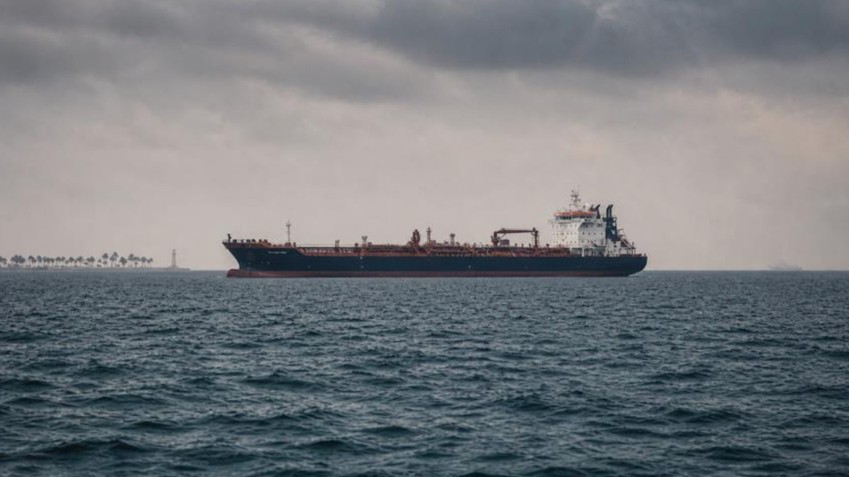
Diplomatic discussions are currently underway regarding a potential framework that would grant Tehran oversight authority over vessels entering the Persian Gulf via the Strait of Hormuz. Regional officials and Iranian representatives indicate that while the proposal is being reviewed, significant disagreements persist regarding transit fees, inspection protocols, and the stance of the United States.
Should this draft be finalized, it would represent a notable shift in regional maritime governance. Observers suggest that empowering Iran to regulate this vital energy corridor could fundamentally alter the existing balance of power, moving away from the previous standard of unrestricted passage.
Negotiation Status and Territorial Access
Bilateral talks between Iranian and Omani officials are focusing on the northern and southern passages of the strait. Kazem Gharibabadi, an Iranian official, stated that preliminary understandings have been reached, suggesting that commercial ships would utilize Iranian territorial waters for both entry and exit maneuvers.
Gharibabadi noted that while a final agreement is nearing completion, there have been no direct communications with Washington in recent days. He further alleged that the U.S. has signaled a willingness to adhere to previous ceasefire commitments, though this remains unverified by American authorities.
Disputes Over Fees and Inspection Authority
A primary point of contention involves the financial levies imposed on transiting vessels. Reports suggest that Tehran has proposed a fee structure equivalent to 5% to 7% of the cargo's value, whereas Oman has suggested a lower rate of approximately 3%. Meanwhile, U.S. officials have reportedly expressed opposition to any mandatory transit fees.
Regional stakeholders have advocated for a collaborative oversight model, suggesting that any potential charges should be voluntary. While the current draft outlines Iranian authority for incoming traffic, the extent of control over outgoing vessels remains a subject of ongoing debate.
Regional Security and Political Pressures
Sources indicate that Tehran has communicated a clear warning to neighboring states: any new U.S. military action against Iranian territory would trigger retaliatory strikes against critical energy infrastructure across the Gulf. This stance underscores the high stakes involved in the current diplomatic efforts.
In the United States, political pressure is mounting ahead of upcoming elections, with public support for continued military engagement reportedly waning. Furthermore, analysts point to the depletion of long-range precision munitions as a factor potentially limiting Washington’s military options. As the administration weighs these constraints, global oil markets have shown sensitivity to the prospect of a negotiated resolution.