Gulf states weigh Iran warning as U.S. strike risk lingers
Iran warned Gulf states that renewed U.S. strikes could put regional energy facilities and American assets at risk.
Lauren Collins ·
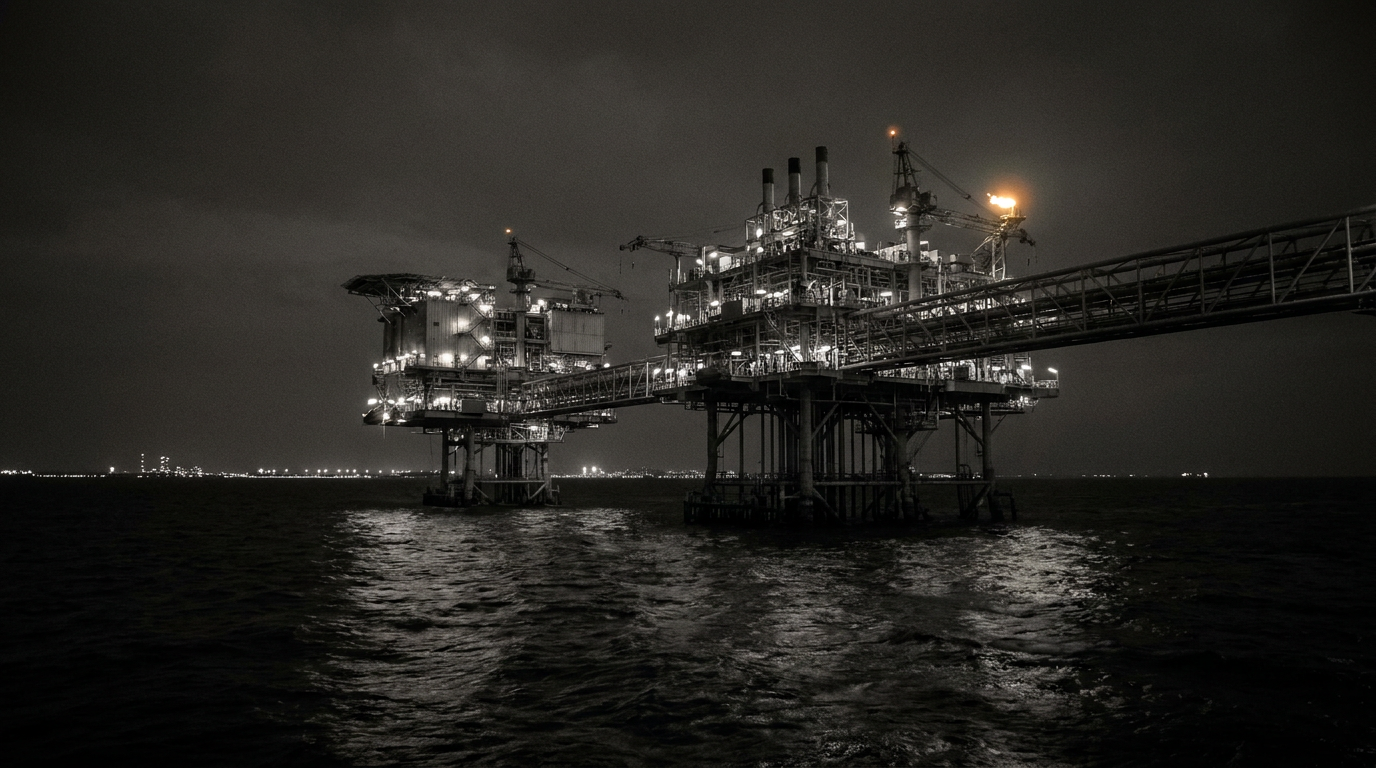
Iran warning to Gulf states has put energy infrastructure at the center of a new U.S.-Tehran confrontation, five people briefed on contacts said.
The message followed President Trump's July 28 threat to hit Iran's energy network and other infrastructure. Tehran's aim, according to the people familiar with the exchanges, was to press Washington's closest Gulf partners to argue against another American strike.
Araqchi presses Gulf capitals
Iranian Foreign Minister Abbas Araqchi spoke with counterparts in Saudi Arabia, Turkey and Qatar, and also contacted Pakistan's army chief, according to the people briefed on the discussions. The group included two senior Iranian officials, two Gulf sources and a senior regional diplomat, all speaking anonymously because the matter is diplomatically sensitive.
Araqchi's core message was that Iran preferred negotiations, but would answer a new U.S. attack by targeting American assets and Gulf-based energy facilities, the people said. The warning was designed less as a private military notice than as political leverage: Gulf governments have channels to Washington and would have the most to lose if oil and gas infrastructure became part of the battlefield.
The pressure campaign put Gulf monarchies in a familiar bind. They rely on U.S. security guarantees and host American military facilities, while their budgets and domestic development plans depend heavily on uninterrupted energy exports.
Saudi and Qatari channels
Saudi Crown Prince Mohammed bin Salman later spoke with President Trump and urged a delay in military action, a return to talks, a ceasefire and a diplomatic settlement, according to the regional diplomat and Gulf sources. The warning was meant for all Gulf states, one Gulf source said, but Saudi Arabia and Qatar served as the main conduits.
Qatar, Oman and Saudi Arabia have urged Washington to reopen negotiations with Tehran and avoid another round of conflict, according to the people familiar with the diplomacy. One Iranian official said Tehran had cautioned that renewed U.S. strikes could set off a regionwide crisis.
The contacts reflect a changed regional map from earlier periods of open Saudi-Iranian confrontation. Iran has repaired ties with several Gulf neighbors in recent years, including Saudi Arabia, creating diplomatic routes that can carry warnings as well as proposals.
Energy risk drives diplomacy
The immediate risk is not only military escalation. It is the possibility that energy assets, shipping routes, U.S. bases and diplomatic channels become linked in a single crisis, leaving Gulf states with less room to separate security policy from economic stability.
For Washington, the pressure falls on President Trump's decision-making after he said on August 2 that he had agreed to cancel an attack on Iran, provided a deal could be reached quickly. That conditional pause leaves diplomacy alive, but also keeps the threat of force in the background.
For Tehran, the warning may raise the political cost of an American strike by forcing Gulf states to calculate their own exposure. It also carries risk: threatening regional energy facilities could harden views in Washington and among Gulf capitals if diplomacy stalls.
If talks resume and the pause holds, the global macro effect would likely be reduced risk pricing around Gulf energy flows, while Iran gains time to negotiate and Gulf producers avoid infrastructure exposure. The wider energy sector would benefit from clearer operating assumptions, especially around insurance, shipping and supply continuity.
If the United States instead revives strike plans, the mechanism changes quickly. Iran would face direct military pressure, Gulf governments would confront threats to export facilities and the global economy would have to price the chance of disruption in one of the world's most important energy corridors.
A third path is prolonged brinkmanship: no strike, no deal and repeated warnings through intermediaries. That would leave President Trump with coercive leverage, Tehran with a deterrent message, and Gulf energy companies operating under a political risk premium that diplomacy has not yet removed.