Qatar presses Gulf allies to cool US Iran conflict risk
Gulf allies are split over whether Washington should escalate or de-escalate the US Iran conflict, exposing security and economic risks around Hormuz.
Omar Farouk ·
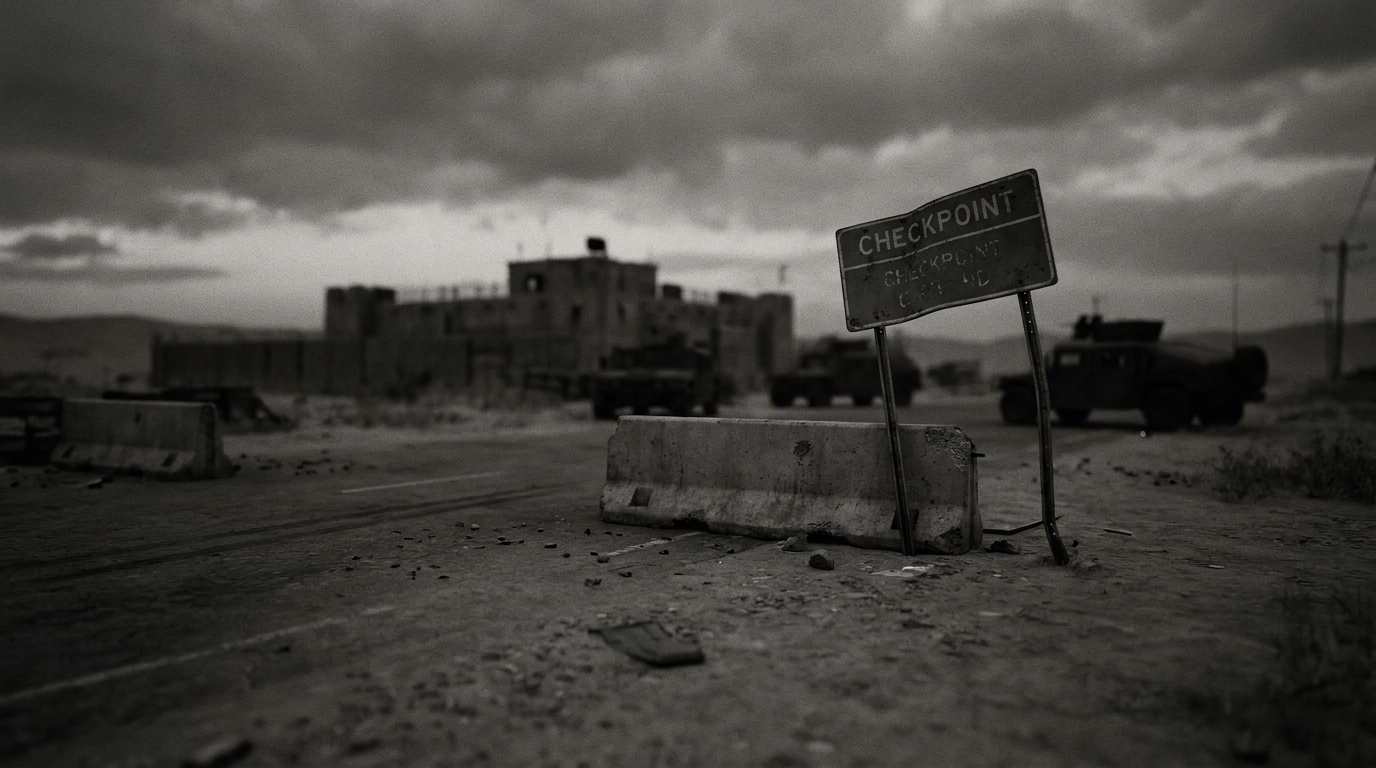
Gulf allies are split over Washington’s next step in the US Iran conflict, exposing security and investment risks around Hormuz. People familiar with regional discussions said some officials want a harder US military campaign, while others are pressing for an immediate reduction in fighting.
The divide marks a break from the period before a mid-June interim understanding between the United States and Iran, when Gulf Arab governments were more aligned behind diplomacy. Since then, hostilities have worsened over the past two weeks, with Washington and Tehran each blaming the other for the breakdown of the memorandum they signed.
Kharg Island enters Gulf debate
One camp in the region believes President Donald Trump should intensify operations, including possible ground deployments in parts of Iran and even a move against Kharg Island, according to people familiar with the matter. Kharg matters because the source described it as Iran’s crucial oil export hub, making it central to any pressure campaign aimed at Tehran’s revenue and maritime leverage.
Those officials argue that Iran’s leadership will not ease its hold over the Strait of Hormuz without stronger force, the people said. Their concern is that a limited but drawn-out confrontation could run for months, chilling foreign investment and tourism across economies that have spent years marketing themselves as stable trade, finance and travel centers.
David Schenker, a Middle East diplomat in Trump’s first term and now a fellow at the Washington Institute for Near East Policy, described the logic as "escalate, to de-escalate." He said, "Something more needs to be done, because the current dynamic will not compel Iran to make any concession, whether on the strait or on the nuclear front."
Qatar pushes a different route
Other Gulf governments reject that approach, with Qatar among those favoring immediate de-escalation, according to the people. Qatar, alongside Pakistan, has been described as a main mediator in the conflict, giving it both exposure to the talks and a direct interest in keeping channels open.
Their worry is that escalation could return the region to the intensity seen in March and early April. During that period, the people said, the United States and Israel hit Iranian cities, while Tehran launched thousands of drones and missiles across the Gulf.
The competing views show how the same geography is producing different security calculations. States closest to shipping lanes and energy infrastructure fear appearing vulnerable if Iran can keep pressure on Hormuz, while mediation-minded governments see a widening military campaign as a threat to diplomacy and domestic economic confidence.
Hormuz risk moves beyond oil
The Strait of Hormuz remains the operational center of the dispute because control of transit routes affects energy flows, naval posture and insurance costs. Separate maritime proposals from Iran and a western naval group have each outlined a corridor through the strait, showing that navigation rules have become part of the confrontation itself.
For the global economy, the mechanism is direct: if shipping through Hormuz becomes slower, riskier or more expensive, energy markets and trade planning absorb the shock first. For Gulf governments, the pressure is broader because investor sentiment, airline demand, tourism bookings and sovereign development plans all depend on the perception that the region can contain conflict.
If the United States escalates and Iran makes concessions on Hormuz or nuclear issues, Gulf security planners who favor force would claim the pressure worked, while global markets would likely focus on whether shipping risk recedes. If escalation instead triggers retaliation, Gulf economies could face a longer period of higher security costs and weaker foreign confidence.
If Qatar’s de-escalation path gains traction, the immediate benefit would be a lower chance of a regional spiral and more room for mediation. The open questions are whether Iran accepts limits on its behavior near Hormuz, whether Washington sees diplomacy as credible after the failed memorandum, and whether Gulf states can restore a unified line.