Iran Moves to Restore Flights as U.S. Talks Remain Uncertain
Iran restarts domestic air travel amid uncertainty over renewed U.S. talks and oil sanctions enforcement.
Lauren Collins ·
Iran Air will restart domestic flights on Wednesday, ending a 50-day suspension tied to the conflict, according to state broadcaster IRIB. The move marks one of the clearest steps toward restoring normal activity inside the country. Aviation authorities also indicated that two domestic airports are set to resume operations, signaling a gradual reopening of transport links.
Resumption of International Flights
Officials said international connections are also beginning to re-emerge, with flights from تهران’s Imam Khomeini International Airport to Turkey and Oman expected to resume soon. The restart follows weeks of disruption that had grounded much of the country’s civilian aviation. The timing suggests authorities see enough stability to begin normalizing internal mobility.
Context of Flight Suspension
The halt in flights came during a period of heightened العسكري tension that disrupted both civilian and commercial logistics. Iran’s aviation sector plays a key role in connecting its major economic centers, and prolonged suspension added pressure on domestic travel and trade. The phased reopening reflects an attempt to stabilize essential infrastructure without signaling a full return to pre-conflict conditions.
Uncertainty in Diplomatic Efforts
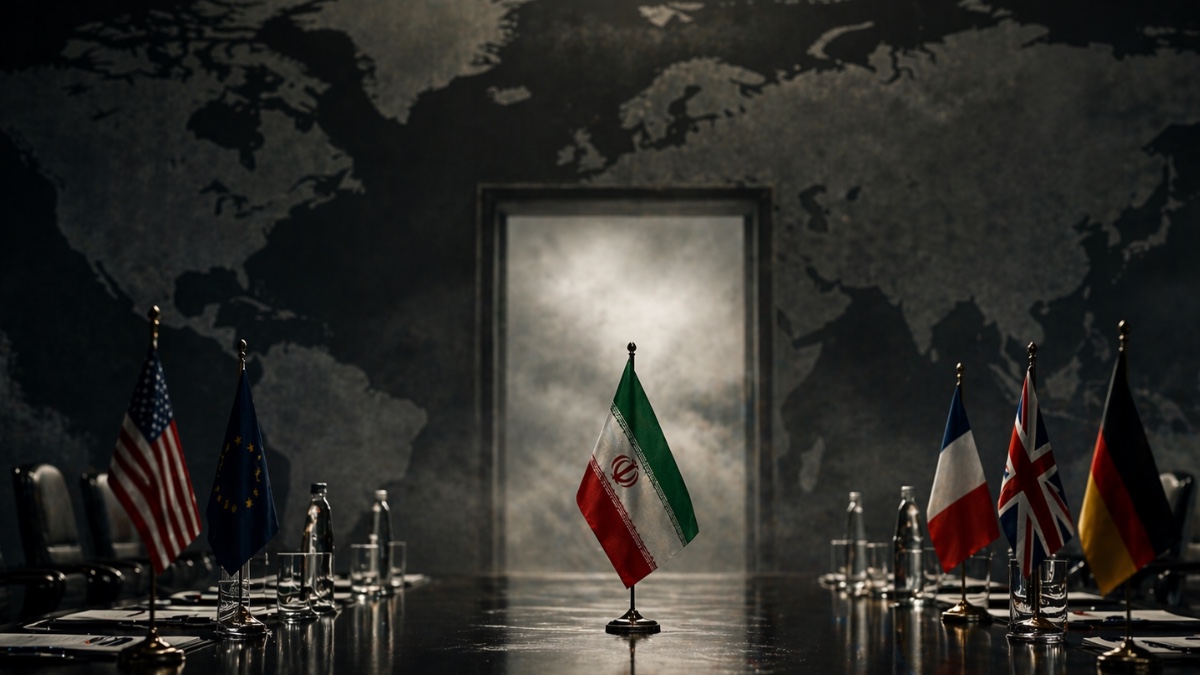
Diplomatic efforts remain unclear. Iran has yet to send a delegation to Pakistan for a possible new round of talks with the United States, according to state media. Confusion deepened after Tehran previously indicated it might participate, while a foreign ministry spokesperson later said no such plan was in place. The mixed messaging has raised doubts about whether negotiations will proceed.
Security Measures in Islamabad
In Islamabad, Pakistani authorities have increased security but stopped short of imposing a full lockdown. Armed personnel have been deployed around key routes, including access roads to the airport, though daily life has largely continued. Shops remain open, a contrast to earlier переговорات when stricter measures were enforced.
Challenges to Enforcement at Sea
At sea, enforcement of U.S. restrictions is facing challenges. More than two dozen vessels linked to Iran have continued transporting oil and gas through the Strait of Hormuz despite a U.S.-led blockade that began on April 13. While U.S. Central Command said it has turned back 23 ships, others have managed to pass, highlighting limits in monitoring and interception.
Outlook on the Situation
The parallel developments point to a fragmented الوضع. Iran is restoring parts of its domestic economy while external pressures remain unresolved. The key uncertainty is whether diplomatic channels will reopen in a meaningful way or whether tensions around energy shipments and regional security will intensify.