

Starmer Criticizes Trump, Putin on Energy
Starmer said UK energy bills swing due to Trump and Putin actions, urging a plan to restore Strait of Hormuz shipping after an April 7 ceasefire.
British Prime Minister Keir Starmer on Thursday said geopolitical decisions by former U.S. President Donald Trump and Russian President Vladimir Putin were contributing to volatility in energy costs faced by households and companies in the United Kingdom. Speaking from Saudi Arabia, Starmer described his frustration that domestic bills can rise and fall due to events beyond Britain’s control.
In an interview with ITV’s Robert Peston, Starmer said he was “fed up” that families and businesses see energy bills move “because of the actions of Putin or Trump across the world.” His comments framed energy affordability as being exposed to international political shocks, with knock-on effects for economic stability at home.
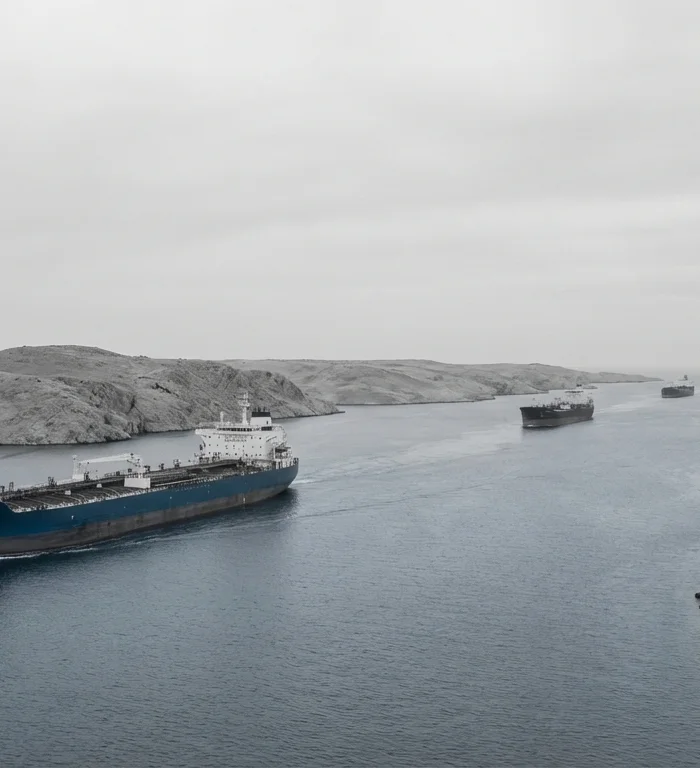
Starmer also focused on maritime security and energy-linked trade routes, calling for what he described as a practical plan to restore shipping through the Strait of Hormuz after a Middle East ceasefire. He said the priority was to ensure that shipping can resume, linking the issue to wider pressures on energy markets and costs.
During a visit to Qatar, Starmer discussed with Trump the need to protect freedom of navigation in the Strait of Hormuz. A Downing Street spokesperson said the two leaders agreed on the need for a viable plan to restart shipping as quickly as possible, following a ceasefire agreement dated April 7.
Separately, Starmer condemned continued strikes on Lebanon and said he held a strong view that they should stop. His remarks added to his broader message that de-escalation and predictable security conditions matter for economic confidence and for limiting disruption to trade and energy flows.
For global markets, the Strait of Hormuz is widely treated as a critical chokepoint for seaborne energy shipments, and political leaders often link stability there to price swings that can filter into consumer and industrial costs. Starmer’s comments underscored how UK energy affordability can be shaped by international security conditions and by decisions taken by major powers, even when the immediate policy levers sit outside London.
Key uncertainties remain around how quickly shipping can be restored and what specific steps would be included in the “viable plan” referenced by Downing Street. Starmer did not provide operational details in the interview, and the spokesperson’s statement did not outline timelines beyond the aim of resuming shipping “as quickly as possible.”
More stories
- Bardella denies antisemitism claims over teenage messages
- Washington targets China in new tariff push on trade ties
- Eisenkot secures first coalition deal but lacks majority
- Germans oppose Ukraine aid as poll shows support slipping
- Kim Jong-un receives 10 envoys after constitutional shift
- Ukraine claims Libya strike sinks Russian naval corvette
- Ceasefire on the Brink: Israel Strikes Lebanon, Testing US–Iran Truce
- NATO Fractures Deepen: Trump Weighs Military Retaliation Against ‘Disloyal’ Allies After Iran War
- Myanmar Parliament Elects Coup Leader Min Aung Hlaing as President
- Chinese fugitive handover reveals shifting US-China ties
Latest news
- Retailers rethink Black Friday as discount fatigue grows
- Japan data centers face lawsuits over residential sites
- S&P puts Nvidia credit rating on watch over board concerns
- Musk pledges two SpaceX shares per child in new US giveaway
- Morocco targets 2030 World Cup final with new stadium bid
- Barclays puts AI bust risk at center of US growth debate
- US inflation reaches 3.8% before December Fed rate meeting
- Türkiye Desk: GTA 6 drains UK mobile spend as Turkish studios feel pressure