

Washington targets China in new tariff push on trade ties
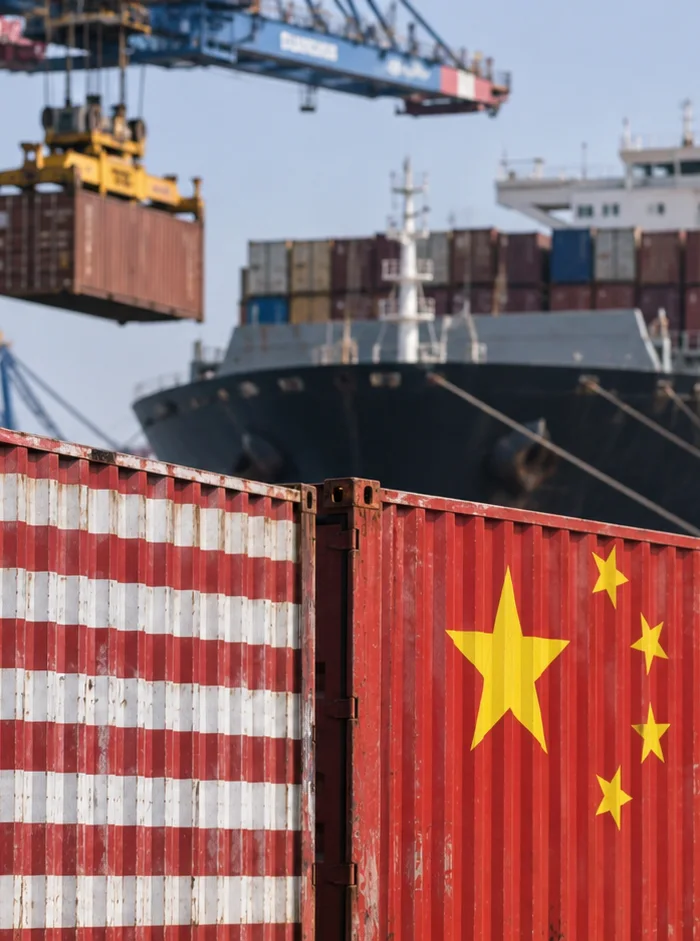
Washington plans an additional 20% tariff on China, keeping its trade truce intact while pressing other economies over their links to Beijing.
The Trump administration said the proposed levy would sit alongside existing tariffs of 25% introduced during President Trump's first term. The additional charge reaches the ceiling agreed by the two leaders under their truce, leaving the agreement intact but narrowing the distance between restraint and renewed escalation.
China's foreign ministry rejected Washington's allegations about its industrial policies without announcing retaliatory measures. That response leaves open whether Beijing will continue to avoid countermeasures as the US presses trading partners over their economic relationships with China.
Washington presses China's trading partners
The tariff announcement followed an investigation lasting eight months into industrial overcapacity and practices Washington considers unfair. The administration is also applying pressure to economies covered by existing trade agreements or negotiations, including Japan, the European Union and countries in Southeast Asia.
In its findings, the US Trade Representative criticized trading partners for insufficient restrictions on Chinese goods and investment. Its Vietnam report refers to China more than 250 times, compared with more than 300 references in the EU assessment.
Those findings put relationships between third countries and Beijing alongside direct US imports from China in the dispute. For the governments involved, the issue is not simply access to American buyers, but Washington's demands concerning their own trade and investment policies.
Mark Williams, chief Asia economist at Capital Economics, said the approach resembled earlier efforts during Trump's second term to use economic pressure to encourage other countries to erect trade barriers and reduce their dependence on China. That is an economist's assessment of the strategy, rather than an announced commitment by those governments.
Rare earths remain an escalation risk
The current dispute follows the wider tariff confrontation that began with Trump's April 2025 measures. During that confrontation, US and Chinese tariff rates briefly reached triple digits before subsequent meetings between the leaders helped stabilize relations.
China also imposed export restrictions involving rare earths, drawing on its position in refining materials used by industries including automotive manufacturing and defense. That episode broadened the confrontation beyond border taxes to access to industrial inputs.
Williams described the new measures as leverage if hostilities resume: "If the trade war does start up again, (the latest) measures provide the US with some ammunition," he said. His assessment identifies a negotiating risk, not a forecast that either government will abandon the agreement.
Trade truce faces two paths
If the truce holds, the dispute would remain focused on implementing the agreed tariff limits and negotiating demands on third countries. Manufacturers would still face the announced charges, but that scenario would avoid a further round of bilateral tariff increases.
If the agreement breaks down, renewed tariff escalation or tighter export controls could widen the effects from import costs to industrial supply. The central uncertainties are whether Beijing responds with countermeasures and whether Washington's trading partners accept restrictions on their dealings with China.
More stories
- Eisenkot secures first coalition deal but lacks majority
- Germans oppose Ukraine aid as poll shows support slipping
- Kim Jong-un receives 10 envoys after constitutional shift
- Ukraine claims Libya strike sinks Russian naval corvette
- COP31 climate talks collapse over fossil fuels and funds
- Russian military faces 1,087 recorded suicides in Ukraine war
- South Africa brings Coetzee into 1-1 Australia decider
- Southern Africa faces 2027 El Niño poverty squeeze, Sihlobo says
Latest news
- S&P puts Nvidia credit rating on watch over board concerns
- Musk pledges two SpaceX shares per child in new US giveaway
- Morocco targets 2030 World Cup final with new stadium bid
- Barclays puts AI bust risk at center of US growth debate
- US inflation reaches 3.8% before December Fed rate meeting
- Türkiye Desk: GTA 6 drains UK mobile spend as Turkish studios feel pressure
- Global stocks fall 0.4% as tariffs and US inflation loom
- CIA hack affects unclassified data; scope remains unclear