Report: US warned Saudi on interceptors after Hormuz escort dispute
Washington reportedly threatened to withhold missile interceptors from Saudi Arabia after Riyadh declined a US escort mission in the Strait of Hormuz.
Omar Farouk ·
# Report: US warned Saudi on interceptors after Hormuz escort dispute
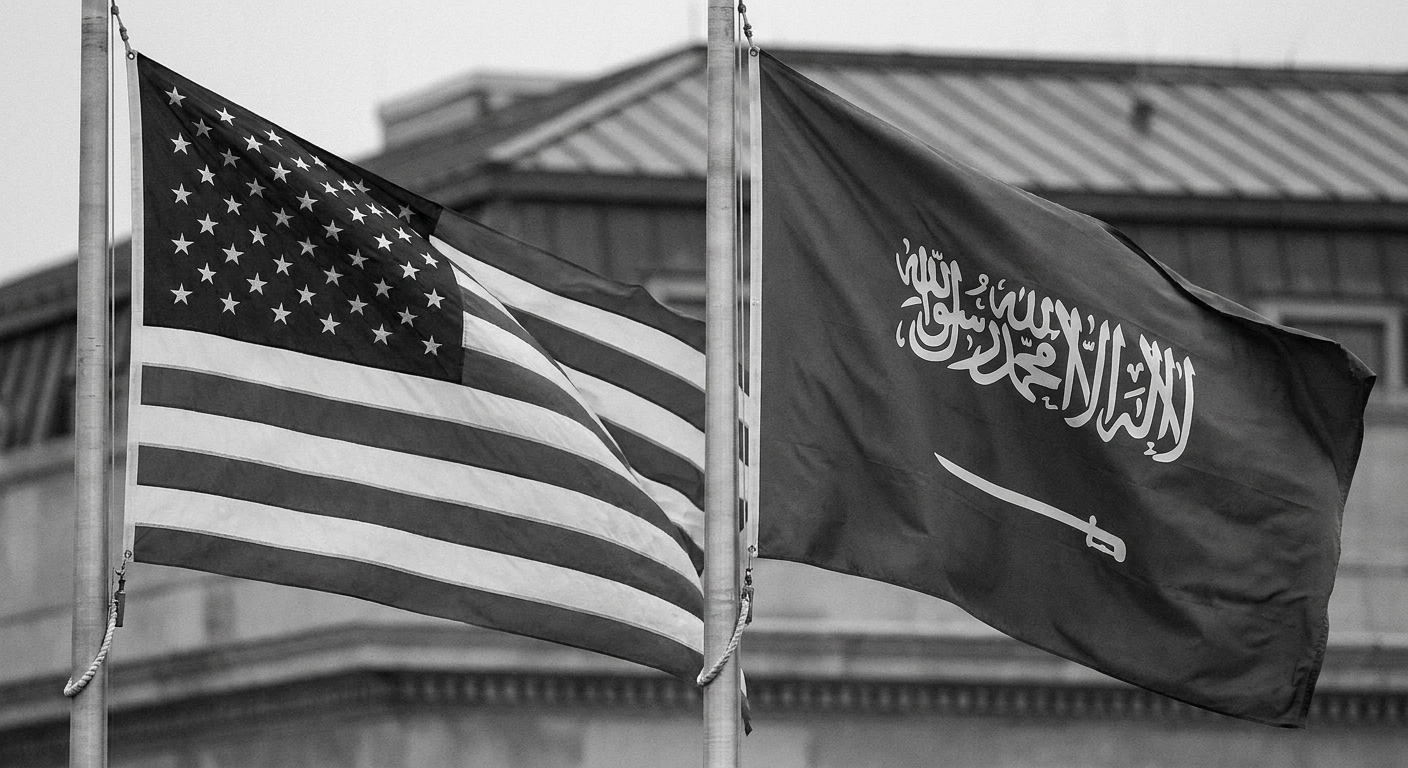
Washington threatened to withhold missile interceptors from Saudi Arabia after a dispute over US efforts to escort shipping through the Strait of Hormuz, according to a report attributed to the Wall Street Journal. The report said Saudi Arabia refused to allow the United States to use Saudi bases and airspace for the mission, prompting the White House to raise the possibility of holding back interception systems.
Saudi Arabia
The account, if accurate, adds detail to a wider pattern in which US–Saudi cooperation is becoming more conditional and more transactional, even as both sides still share core interests in deterring Iran and stabilizing energy markets. Neither government had publicly confirmed the reported threat in the signal provided.
For decades, the US–Saudi security relationship has rested on an implicit bargain often framed as “oil for security”: Saudi Arabia provides stability in global energy supply and hosts critical infrastructure, while the United States offers deterrence, arms sales, training, and a security umbrella aimed largely at countering Iran. That formula has been tested as US energy production rose and Washington tried to reduce direct military exposure in the Middle East without fully exiting the region.
Recent years brought repeated friction points that hardened mistrust on both sides. In Washington, lawmakers and officials have pushed for tougher conditions on military support after controversies including the killing of Jamal Khashoggi and civilian harm during the Saudi-led war in Yemen; in Riyadh, leaders have bristled at what they see as unreliable US commitments, while widening ties with other major powers, including China and Russia, to diversify diplomatic and economic options.
Saudi Arabia
The Strait of Hormuz is the Gulf’s strategic chokepoint, and escort operations are inherently political because they signal which states are willing to publicly align with US naval posture against Iranian maritime pressure. If Saudi Arabia withheld basing and airspace access as described, it would suggest Riyadh is calibrating how visibly it supports US military initiatives that could be read by Tehran as escalatory, especially at moments when Saudi leaders are also trying to manage regional de-escalation channels.
The potential spillover is global. Any perception that US–Saudi security coordination is fraying can ripple into energy risk premiums and shipping insurance costs, because markets price not only current disruptions but the credibility of deterrence around critical waterways. The Strait of Hormuz sits alongside Bab al-Mandab, where the Houthis (an Iran-aligned Yemeni movement) have targeted commercial shipping, as one of the region’s key pressure points that can transmit Middle East tensions into global trade.
By 2024-08-01, watch for on-the-record statements from the White House, the US Department of Defense, Saudi defense or foreign ministry officials, or other named institutions directly addressing whether interceptor transfers were ever threatened or conditioned on Hormuz cooperation; also watch for any announced pauses, accelerations, or new packages in US air and missile defense support to the kingdom. If either side publicly corroborates, denies, or reframes the reported episode, it would be a falsifiable signal that the alliance is being actively renegotiated rather than simply experiencing routine disagreement; if there is no official engagement or the account is dismissed as old or resolved, the immediate policy impact may prove limited even if underlying tensions persist.