Iran talks: Vance signals progress, Treasury eases oil
Iran talks advanced in Switzerland as VP JD Vance cited progress and the US Treasury waived sanctions on certain Iranian oil products.
Lauren Collins ·
Iran talks moved into a new phase after overnight negotiations in Switzerland, with US Vice President JD Vance calling the weekend discussions “very, very good” and officials aiming for a broader agreement within two months.
The remarks came as the US Treasury issued waivers covering some Iranian oil and petroleum products, a step tied to an interim memorandum of understanding (MOU) reached last week. The diplomacy is intended to formally end a conflict that has spilled into global markets, particularly energy.
Overnight Switzerland meetings and a two-month target
Vance led the US delegation during the late-running sessions, while Iran’s speaker of parliament, Mohammad Bagher Ghalibaf, headed the Iranian team. Iranian officials also described the talks positively, mirroring Vance’s assessment.
Negotiators are working toward what Vance characterized as a peace deal to be finalized within roughly two months. While the specific terms under discussion were not disclosed, the timeline suggests both sides are trying to move from the interim arrangement to a more comprehensive settlement.
The negotiations follow last week’s interim MOU between Washington and Tehran, which set out conditions for limited sanctions relief and the potential use of previously frozen Iranian assets. The conflict’s knock-on effects have been felt in commodities and shipping, and energy traders have been closely monitoring any changes affecting Iranian supply.
Energy prices and sanctions relief take center stage
Speaking to reporters, Vance defended the interim agreement against criticism and argued it would benefit US consumers by easing energy costs. His comments linked diplomacy directly to economic outcomes, positioning lower fuel prices as a near-term domestic gain.
Shortly after Vance’s comments, the Treasury waivers removed restrictions on certain Iranian oil and petroleum products as a condition of the MOU. The move signaled that Washington is prepared to provide tangible relief while talks continue, though the scope of the waivers was described in limited terms.
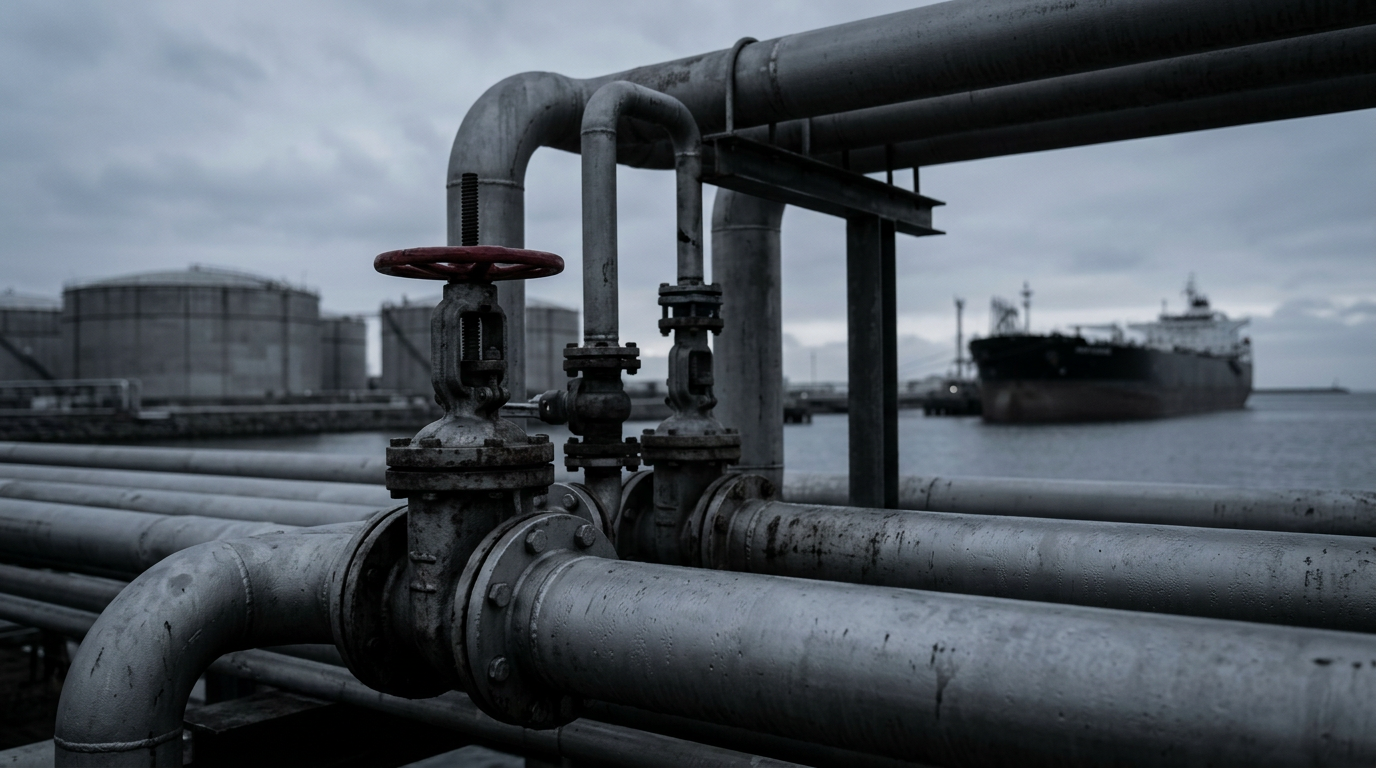
Iran has increased oil exports in recent days after the US lifted a naval blockade that had been tightening pressure on Tehran’s economy. The combination of eased maritime constraints and targeted sanctions waivers could increase the flow of Iranian barrels to market, with potential implications for global supply balances.
Frozen funds, farm exports, and unresolved governance questions
Vance also outlined how any unfrozen Iranian assets might be used, saying the funds would be directed toward purchases of US agricultural goods including soy, wheat and corn. He said the mechanism would involve oversight by the US and Qatar, framing it as a controlled channel designed to support food imports for Iran while directing spending toward American producers.
“If Iranian assets are ever unfrozen, they’re going to go to make American farmers richer and to feed the Iranian people,” Vance said. He presented this as a way to ensure funds do not move without approval and to show a clear economic benefit for the US.
However, key details remain unsettled. It was not clear whether Iran accepts Vance’s description of the controls, and the MOU’s text indicates Iran’s central bank would be able to designate beneficiaries of any unfrozen funds.
That discrepancy points to a central issue that could shape the next round of negotiations: who ultimately decides where money goes, and what safeguards govern the process. For Washington, tight oversight can be framed as compliance and security; for Tehran, beneficiary designation may be treated as a sovereignty issue.
With the two-month goal now public, the next steps are likely to focus on translating the interim deal’s commitments into a longer-term structure that addresses sanctions, energy flows, and financial controls. Markets will be watching whether the waivers expand, how quickly Iranian exports rise, and whether both sides can reconcile competing interpretations of the MOU’s asset provisions.