Trump keeps Iran talks alive while weighing new strikes
Iran talks continue as Trump weighs military options while giving negotiators more time to test a nuclear deal.
Lauren Collins ·
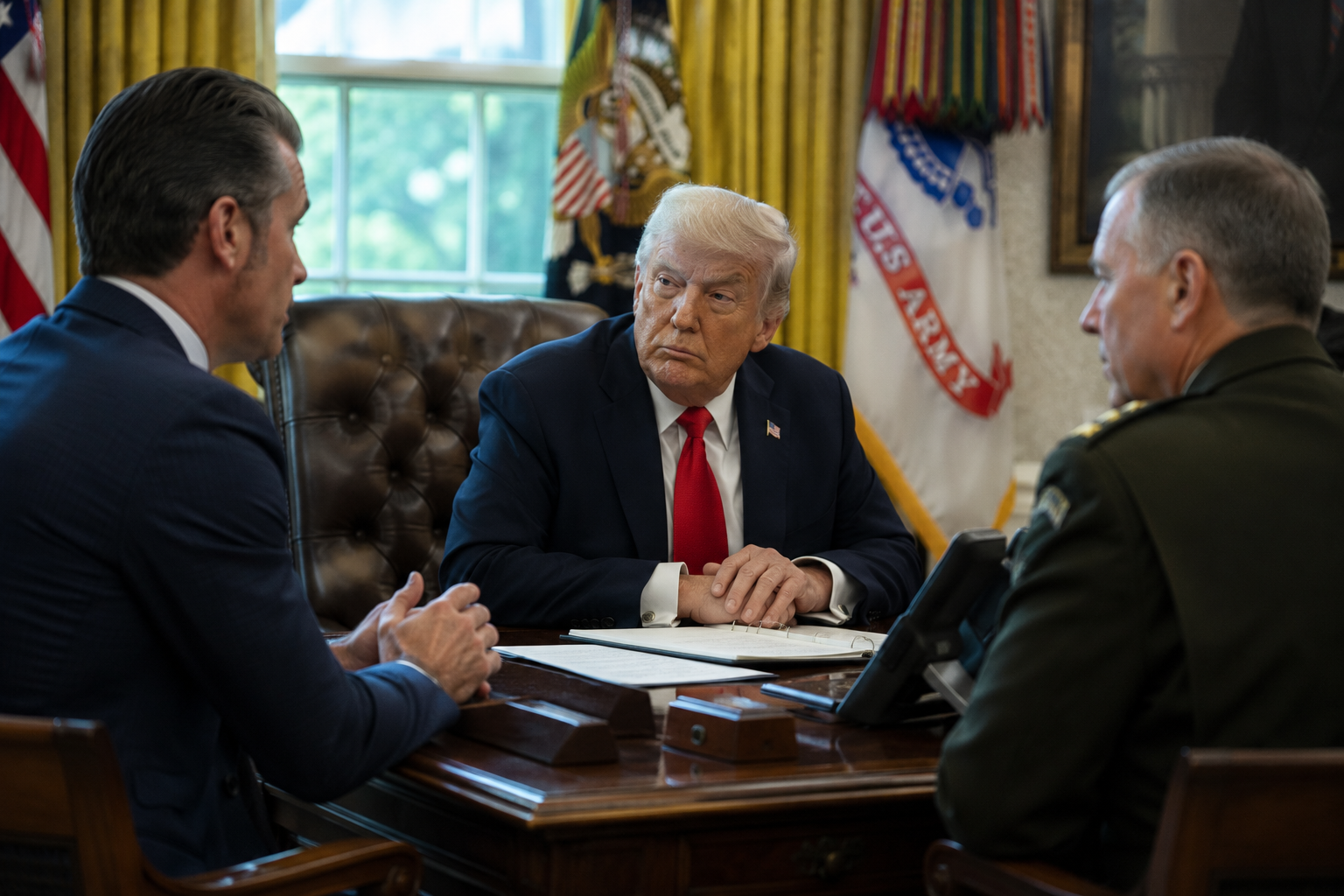
Iran talks are continuing as President Trump weighs whether renewed U.S. strikes would undermine efforts to curb Tehran’s nuclear program.
U.S. officials familiar with recent discussions said Trump has held several conversations with Defense Secretary Pete Hegseth and Gen. Dan Caine, chairman of the Joint Chiefs of Staff, about possible additional attacks on Iran. The officials said the president has not made a final decision, but has chosen to keep negotiations alive while retaining the option of force.
Doha round adds time
The immediate shift is Trump’s willingness to let negotiations run beyond an Aug. 18 deadline, according to the officials. That gives U.S. envoys Steve Witkoff and Jared Kushner more room after they arrived in Doha on Tuesday for another round of contacts conducted through mediators, Qatari officials said.
Technical teams from the two countries were also expected to hold indirect discussions this week. The talks are more than a week into a 60-day negotiating window agreed by both sides, according to officials and analysts cited in the source material.
Trump has told aides that another broad attack could damage the diplomatic track and reduce Washington’s chances of securing limits on Iran’s nuclear program, the officials said. A White House official said the president prefers diplomacy and that Iran should reach a good agreement with the United States.
Trump keeps strike option
The military channel has not closed. Officials said Trump remains satisfied with limited, one-off strikes when Iran violates the memorandum of understanding, a pattern that helped trigger fighting over the weekend and strained a ceasefire reached two weeks earlier.
Briefings on military options are routine in a presidency managing an active crisis, and Trump has held both formal and informal meetings on Iran. The difference now, according to the officials, is that the talks have stalled enough for senior advisers to discuss whether a wider return to attacks would apply pressure or expose a failed bargain.
Trump’s public message has been more confident than the private debate described by officials. “They’re agreeing to everything that I want, and they have to,” he told reporters last week. “Otherwise, we just go back and do what we have to do.”
Vice President JD Vance gave a similar account in a Tuesday interview, saying the president had instructed aides to “work the problem” and see where diplomacy leads. He added that if talks fail, the administration still has “a lot of optionality” and believes it has already achieved gains for U.S. interests.
Hormuz fees test diplomacy
The most concrete dispute described by officials is not only nuclear. Iran is insisting on billions of dollars in service charges for ships passing through the Strait of Hormuz, while the United States says the route should remain free to transit as it was before the fighting began.
The waterway issue links the nuclear talks to global trade and energy security, even without a new escalation. If Tehran presses the fee demand, shipping costs and risk pricing could become part of the negotiation, giving Iran leverage but also raising pressure on countries that depend on predictable maritime flows.
The nuclear dispute remains central. Tehran says it will not accept severe restrictions on its nuclear work, while Trump says Iran has already committed to limits, leaving both sides describing the same talks in sharply different terms.
Three paths for talks
If the Doha process holds, the macro effect would likely be reduced near-term risk in energy and freight markets, while the Trump administration could claim time for diplomacy without surrendering its strike option. The wider security and shipping sectors would still price the Strait of Hormuz as a political risk until the fee dispute is settled.
If talks extend past Aug. 18 without a deal, the global effect would be a longer period of uncertainty rather than an immediate rupture. For the administration, that path preserves flexibility but raises questions about whether Iran is using time to resist nuclear limits; for the maritime and defense sectors, intermittent alerts and limited strikes would remain part of the operating environment.
If Trump chooses a broader military campaign, the mechanism changes from bargaining pressure to direct coercion. That could harden Iran’s position, damage the ceasefire and push markets to reprice regional risk, while forcing the U.S. defense establishment and Gulf security partners into a faster operational posture.