France election dates set as Macron succession race opens
France election planning sets an April 18, 2027 first round, starting the formal calendar for the contest to replace Emmanuel Macron.
Lauren Collins ·
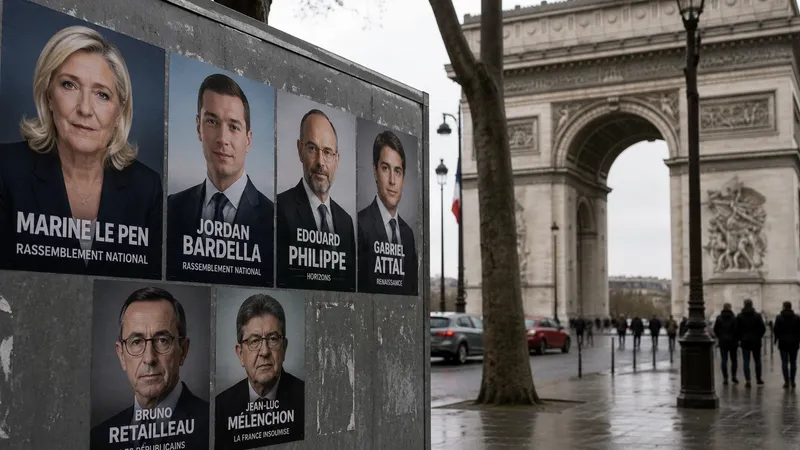
France election planning sets April 18, 2027, for the first presidential round, opening the formal timetable for Macron’s succession. A second round would follow on May 2 if no candidate wins an outright majority, according to a French official familiar with the schedule.
The official said the dates are expected to be announced after a weekly cabinet meeting later Wednesday. The person was not authorized to discuss the planning publicly, which makes the calendar a reported government timetable rather than a published decree.
Macron exit fixes the stakes
President Emmanuel Macron cannot stand for a third consecutive term after winning the presidency in 2017 and again in 2022. That constraint turns the 2027 vote into France’s first open presidential succession in a decade.
The contest is already forming before the formal campaign season begins. Polls cited in the source material place far-right National Rally figures Marine Le Pen and Jordan Bardella ahead of other potential contenders, making the party central to the early shape of the race.
Le Pen’s position is also legally uncertain. An appeals court is due to rule next week on a five-year ban from elected office imposed after her conviction for misusing European Parliament funds, and she has said Bardella would run if the ban is upheld.
Declared rivals crowd the field
The declared field spans Macron’s former camp, the mainstream right and the far left. Former prime ministers Edouard Philippe and Gabriel Attal have entered the race, giving the pro-Macron political space more than one high-profile option.
On the right, Bruno Retailleau was recently selected by his Republican party as its presidential candidate. Jean-Luc Melenchon has also said he will run, making 2027 his fourth attempt at the presidency.
The calendar matters because French presidential campaigns are built around two rounds, not one national vote. The first ballot tests each camp’s ceiling; the second usually forces alliances, tactical voting and a sharper choice between the two finalists.
Le Pen ruling could reorder plans
The most immediate variable is the court decision affecting Le Pen. If the ban is upheld, National Rally would need to shift its campaign machinery toward Bardella quickly, including staffing, messaging and donor outreach built around a different candidate.
If the ban is overturned, Le Pen would remain the party’s established presidential figure after losing to Macron in both 2017 and 2022. That would give National Rally continuity, while Bardella’s role would likely become a measure of the party’s generational reach rather than its direct presidential vehicle.
For Macron’s former allies, a crowded field creates a different problem. If Philippe and Attal both hold their bids, the governing-center vote could divide early, shaping who survives to a potential second round and how much space remains for the traditional right.
Two-round vote sets wider test
France’s election will be watched beyond Paris because the country is a core European political actor and a major voice in EU decision-making. A fragmented first round would increase uncertainty over France’s policy direction before the second ballot clarifies the final choice.
If the published dates hold and the campaign proceeds without a major legal shock, markets and European partners would have a long runway to assess policy platforms. The effect on the global macro picture would come through expectations for French fiscal policy, EU coordination and political stability, while candidates would gain time to organize and parties would refine alliances.
If Le Pen is blocked and Bardella replaces her, the company-like institution at the center of the story is National Rally itself: its brand, leadership bench and campaign execution would be tested under deadline pressure. For the wider political sector, that scenario would put succession planning inside parties under scrutiny and could make candidate eligibility a dominant campaign issue.
If the center-right and Macron-aligned contenders split support, the second-round field could be shaped less by ideology alone than by vote discipline. The open questions are specific: whether the official calendar is confirmed as described, how the appeals court rules next week, and whether declared candidates consolidate or keep France’s 2027 field crowded.