

UN Secretary-General Selection Process Reveals Deep Geopolitical Divisions
A critical UN Security Council vote will test the viability of leading candidates and expose deep divisions among permanent members regarding the future of…
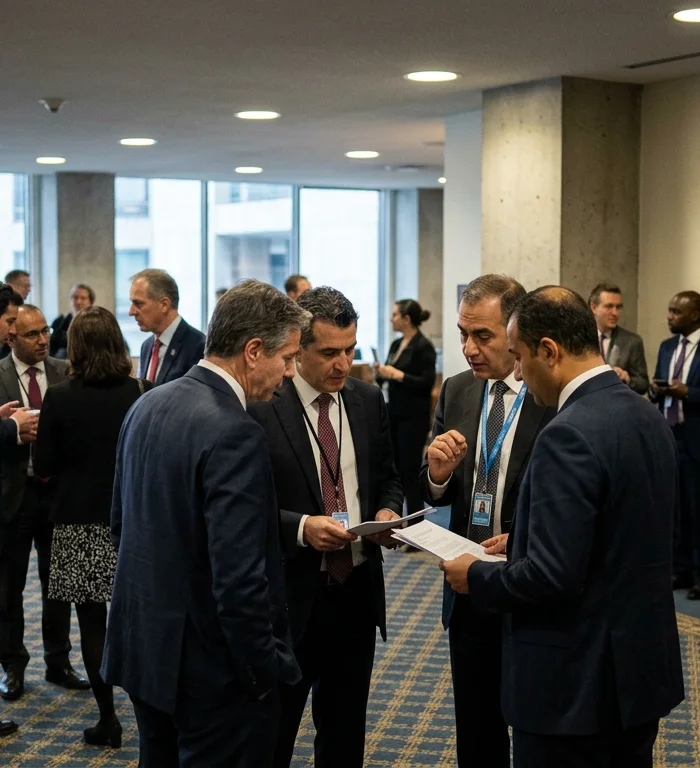
The United Nations Security Council is approaching a critical juncture in the selection of the next Secretary-General. A scheduled straw poll will utilize color-coded ballots to distinguish votes cast by the five permanent members (P5) from those of the ten elected members (E10). This process is expected to clarify whether the current frontrunner, Rebeca Grynspan, faces a potential veto from major powers, or if the candidacy of the United Arab Emirates’ representative, Lana Nusseibeh, remains viable despite significant opposition.
Rebeca Grynspan has maintained a lead in the majority of straw polls conducted since July. Despite this support, reports indicate that both Russia and the United States may be inclined to exercise their veto power. The selection process requires a candidate to secure nine votes without receiving a veto from any P5 member. A failure to reach a consensus would likely reignite long-standing debates regarding the disproportionate influence of the P5 over the organization’s leadership.
The United Nations Security
The candidacy of Lana Nusseibeh has faced scrutiny due to the United Arab Emirates' recent diplomatic and commercial activities in regions including Sudan, Somalia, and Libya. While Nusseibeh maintains support from the United States and Russia, she faces resistance from elected council members who advocate for a regional rotation system favoring Latin American candidates. Furthermore, internal political pressure in the United Kingdom has prompted calls for a veto against her candidacy, citing concerns over human rights and regional stability.
Diplomatic tensions are further complicated by the UAE’s perceived use of economic leverage to secure commercial interests, which has drawn criticism from several member states. Observers note that the voting patterns of elected members, particularly those with strong interests in the conflict in Ukraine, may be influenced by the UAE’s diplomatic engagement with Russia. The outcome of the upcoming ballot will determine whether the current deadlock persists or if the Security Council can move toward a formal recommendation for the General Assembly.
More stories
- Germans oppose Ukraine aid as poll shows support slipping
- Kim Jong-un receives 10 envoys after constitutional shift
- Ukraine claims Libya strike sinks Russian naval corvette
- COP31 climate talks collapse over fossil fuels and funds
- Russian military faces 1,087 recorded suicides in Ukraine war
- US faces China, Russia in Africa minerals contest
- Indonesia seeks Google explanation for 19,372 YouTube removals
- San Antonio faces scrutiny over 50,000-hog farm approvals
- Pakistani authorities detained 130 Malaysians in scam-centre raid
- Panetta says Italy inflation threatens purchasing power
Latest news
- Trump prepares tariffs on China and other major exporters
- New-car buyers pay record average $50,087 in October
- Banks face ECB reserve debate over liquidity and profits
- Investors see Anthropic debut gains fade below $83 a share
- Iraq orders federal control over Kurdish-area oilfields
- Nvidia shares retreat as AI rally cools before PCE data
- Macy’s parade faces balloon limits as storm winds approach